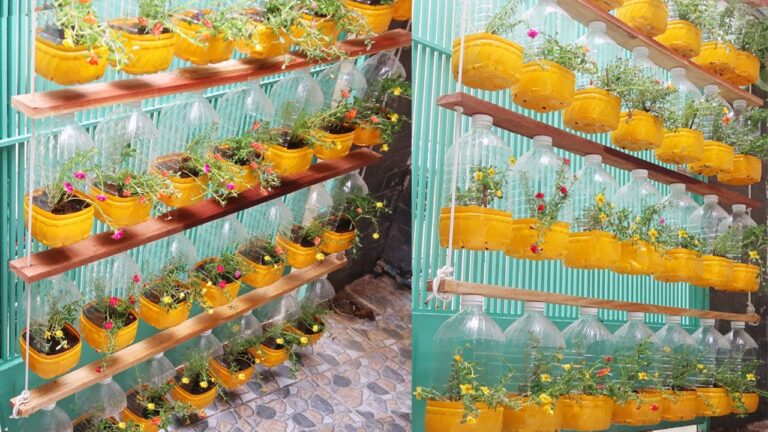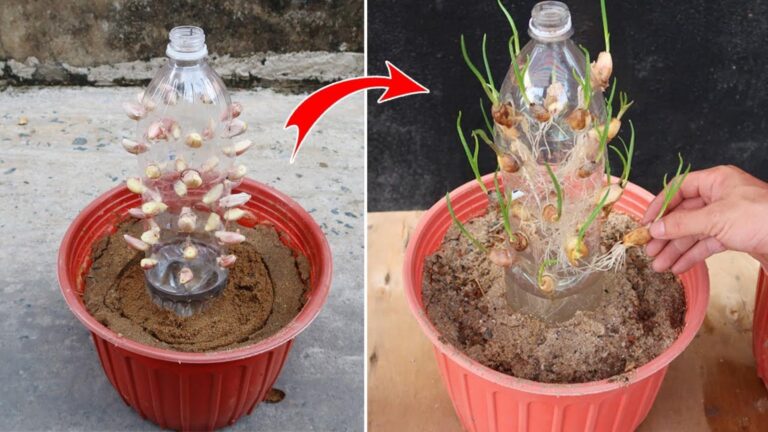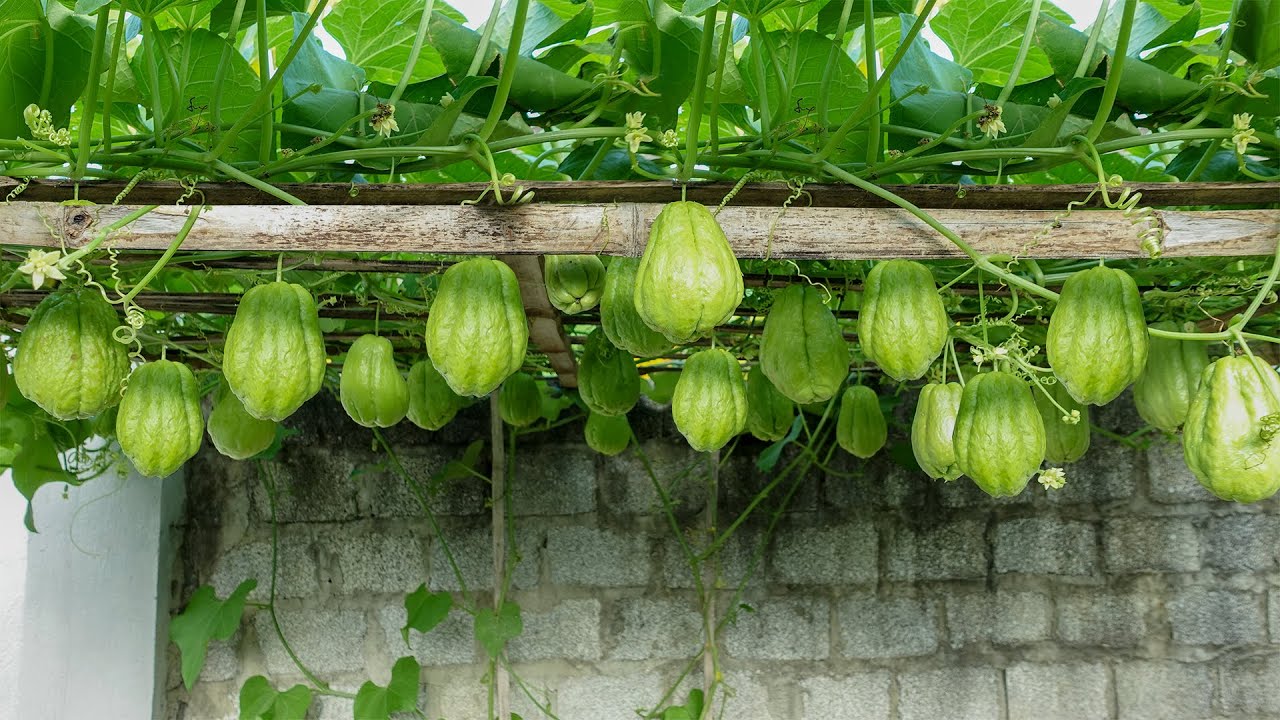
Grow 1 Chayote to Create an Epic Vertical Garden in No Time!
Grow Chayote for an Amazing Vertical Garden
- Introduction
- Benefits of Growing Chayote
- Essential Materials
- Step-by-Step Guide to Planting Chayote
- Common Mistakes to Avoid
- FAQ
- Conclusion
Introduction
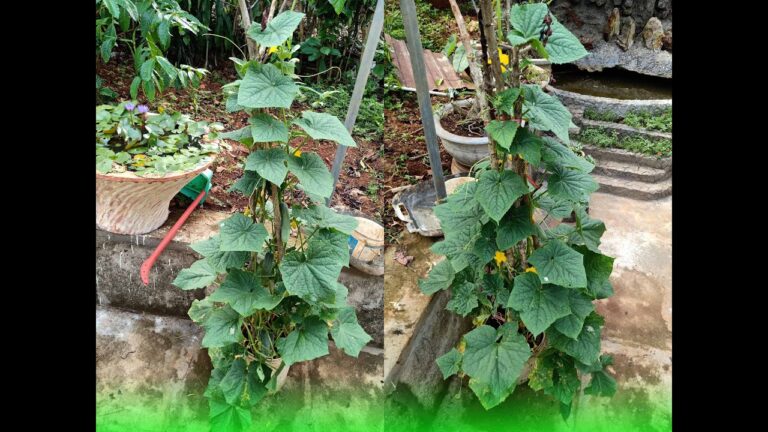
Picture this: you have a small outdoor space and want to make the most of it without sacrificing style or function. Chayote is a fantastic plant that not only adds greenery but also produces delicious fruits. With its climbing nature, it’s perfect for creating a vertical garden. Let’s explore how to grow chayote and transform your space into a thriving green oasis.
Benefits of Growing Chayote
Chayote isn’t just visually appealing; it offers multiple advantages for your garden and well-being.
1. Space-Saving
Since chayote vines grow vertically, they require less ground space, making them ideal for small gardens or patios.
2. Delicious and Nutritious
This versatile vegetable is rich in vitamins and minerals. You can enjoy it cooked, raw, or even added to salads.
3. Low Maintenance
Chayote is hardy and drought-resistant once established, which means less work for you in general upkeep.
Essential Materials
Before planting, gather the following materials to ensure your chayote thrives:
- Chayote seed – Choose a healthy, firm chayote to plant.
- Potting soil – A well-draining mix is ideal.
- Fencing or trellis – Support for the climbing vines.
- Watering can – For appropriate watering.
- Fertilizer – Organic options are great for a nutrient boost.
Step-by-Step Guide to Planting Chayote
Now that you have everything ready, let’s dive into planting chayote:
1. Prepare the Soil
Ensure your garden bed or container has rich, loose soil. Mix in organic compost to enhance its texture.
2. Plant the Seed
- Select a chayote that has developed small roots.
- Dig a hole about 4 inches deep.
- Position the chayote sideways in the hole, with the roots pointing down.
- Cover with soil and water generously.
3. Provide Support
Immediately set up your trellis or fencing nearby to guide the chayote as it grows. This will encourage vertical growth.
4. Water and Fertilize
- Water the plant regularly, especially during dry spells.
- Apply organic fertilizer every few weeks to maintain nutrient levels.
5. Watch for Growth
Monitor your chayote for flowering and fruiting. Make sure the vines are climbing the support you’ve set.
Common Mistakes to Avoid
Even seasoned gardeners can make mistakes. Here are some common pitfalls to avoid when growing chayote:
- Overwatering – This can lead to root rot; allow the soil to dry between waterings.
- Neglecting to support the vines – Without adequate support, the chayote may not thrive.
- Using poor-quality seeds – Always choose healthy chayote for planting.
- Ignoring pests – Keep an eye out for pests and take action promptly when spotted.
FAQ
How long does it take for chayote to grow?
Chayote typically takes 100 to 150 days to produce fruit after planting, depending on the conditions.
Can chayote be grown indoors?
While chayote prefers warm weather, it can be grown indoors if you provide ample sunlight and support.
What should I do if my chayote leaves turn yellow?
Yellow leaves may indicate overwatering, insufficient nutrients, or pest issues. Assess your care routine to identify the problem.
Conclusion
Growing chayote can be a rewarding experience that adds beauty and functionality to your vertical garden. By following these steps and avoiding common mistakes, you’ll cultivate a thriving plant in no time. What other plants do you think would complement your garden? Share your thoughts in the comments!