Avoid These Summer Fertilizing Mistakes to Boost Your Vegetable Garden
Avoid These Summer Fertilizing Mistakes to Boost Your Vegetable Garden
Summer is in full swing, and while it might be easy to relax, it’s also a prime time for making fertilizer blunders in your vegetable garden. To ensure a bountiful harvest, let’s explore some common mistakes that can hinder your gardening success in the heat of summer. With a bit of knowledge and planning, you can navigate the season flawlessly.
1. Over-fertilizing When Growth Slows
The heat of summer can cause your garden to slow down dramatically. When this happens, it’s tempting to think your plants need more nutrients, but often, it’s just the extreme temperatures. Rather than pouring on more fertilizer, take a moment to consider that your plants are conserving energy and managing stress. Forcing them to grow more during a heatwave can do more harm than good.
2. Fertilizing Dry Soil
Applying fertilizer to dry soil is a quick route to damaging your plants. Especially when using synthetic fertilizers, the salts can burn delicate roots. Always ensure that your plants are thoroughly watered before fertilizing—or wait until after a rain. Moist soil facilitates nutrient absorption without risking root damage.
3. Use the Right Type of Fertilizer
During summer, your garden’s nutrient needs change. In the early growing season, nitrogen is vital for leaf development, but as summer progresses, the focus should shift to blooms and fruit. Opt for fertilizers higher in phosphorus and potassium, or choose a balanced fertilizer with lower nitrogen content. A great option is Espoma Garden-tone with a 3-4-4 NPK ratio.
4. Dilute Liquid Fertilizer
When using liquid fertilizers, it’s crucial to follow dilution instructions carefully. Using undiluted fertilizer can lead to burned roots and an unhealthy garden, particularly during the heat. Avoid the temptation to add more for better results; it won’t produce larger fruit but can harm your plants significantly.
5. Timing Is Everything
Like watering, the timing of fertilization matters. Avoid fertilizing in the heat of the day—the sun and hot soil can stress your plants. Instead, aim for early morning or evening when temperatures are cooler. This will help your plants absorb nutrients more effectively.
6. Diagnose Before Fertilizing
Before reaching for the fertilizer, assess your plants carefully. Yellowing leaves might indicate nutrient deficiencies, but they can also stem from heat stress, watering issues, or pest damage. Blindly applying fertilizer can lead you on a wild goose chase; determine the root cause before feeding your plants.
7. Address Soil Health
Don’t rely solely on fertilizer to fix gardening problems. Many issues originate in the soil itself. Summer is a great time to address soil health by top-dressing with compost, leaf mold, or worm castings. By focusing on soil quality, you can enhance moisture retention and make fertilizers more effective in the long run. Transitioning to no-dig gardening can also help rejuvenate your soil.
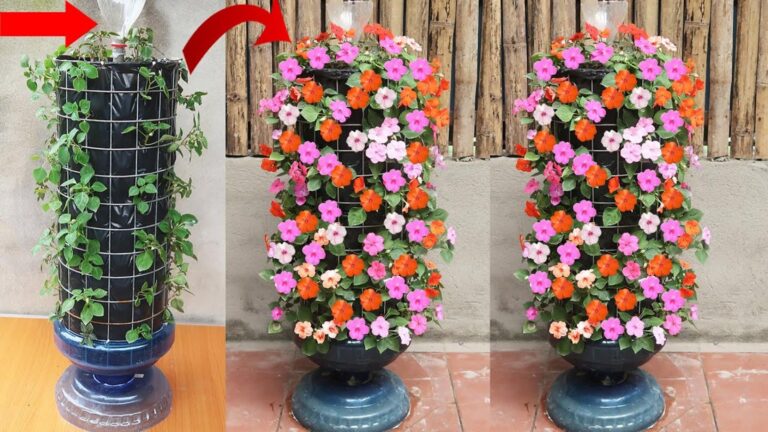
8. Fertilize Your Flowers Wisely
While veggies often take center stage, don’t forget about your flowers. Annuals and container plants need regular feeding as nutrients can wash away quickly. However, some perennials prefer poorer soil conditions and should not be fertilized. A little supplementary fertilizer can keep your blooms thriving and attract more pollinators, benefiting your vegetable garden.
Conclusion
In summary, successful summer gardening requires attentiveness and a strategic approach to fertilization. Instead of viewing fertilizer as a catch-all solution, consider it a helpful tool in your gardening toolkit. By paying attention to your plants’ signals and adjusting your practices accordingly, you can turn your garden into a thriving oasis. Here’s to a beautiful and bountiful summer garden!