Late Summer Vegetable Planting Guide by Hardiness Zone
Late Summer Vegetable Planting Guide by Hardiness Zone
As August rolls in, it signals the countdown to summer’s end. Whether you’re savoring the final weeks or eagerly awaiting cooler weather, it’s the perfect time to consider what to plant for a last harvest. Imagine enjoying homemade pizza sauce or fresh radishes during the winter months. The good news is that, regardless of your USDA Hardiness Zone, there’s still time to sow a few seeds.
How Much Time Do I Have in August?
Most summer crops need to mature before your first frost, which can put a tight deadline on crops like tomatoes. However, many cool-weather and fast-growing crops are perfect for late summer planting. Some vegetables even enhance their flavor after a frost.
While the list below isn’t exhaustive, it provides a great starting point. To determine if you still have time for a specific vegetable, look up your expected first frost date using your zip code. Then, check the seed packet or online for the “days to harvest” for your chosen veggie. Work backward from your frost date and add a week to account for slower growth in fall. If you use a hotbed, polytunnel, or greenhouse, your planting window expands.
Vegetable Planting for Zones 3 through 7
For those in Zones 3 to 7 who expect a first frost between late September and mid-October, consider crops that mature in 30 to 60 days:
- Beets: Varieties like ‘Detroit Dark Red’ or ‘Chioggia’ offer sweet roots and greens that tolerate cool weather.
- Bush Beans: Quick-growing varieties such as ‘Provider’ or ‘Contender’ mature in 50 to 55 days and will produce until the first frost.
- Radishes: A fast-growing option that matures in 30 to 45 days, allowing for multiple plantings depending on variety.
- Winter Radishes: Daikon or ‘Red King’ take about 50 to 60 days to mature, yielding large roots that store well.
- Turnips: Also maturing in 50 to 60 days, they produce both tasty greens and roots, becoming sweeter if frosted.
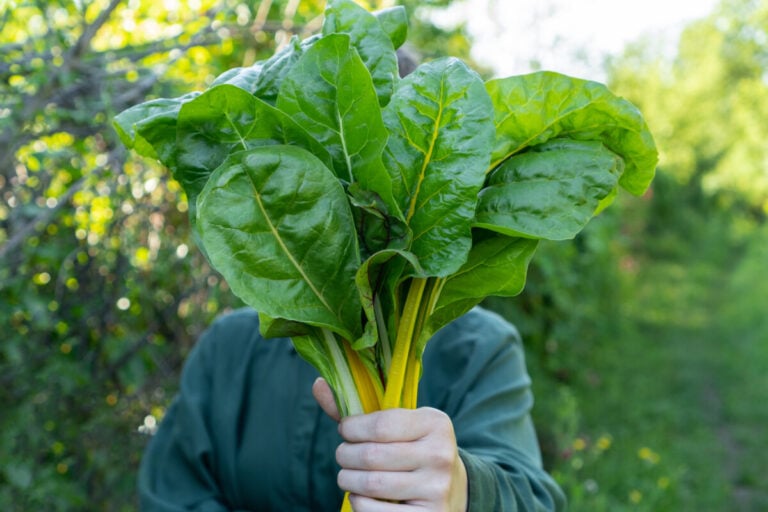
- Swiss Chard: This leafy green matures in about 55 to 60 days and withstands cold better than spinach.
- Kale: Ideal for fall, it matures in 50 to 60 days, and cooler temperatures enhance its sweetness.
- Chinese Cabbage: Perfect for slaw and stir-fries, most varieties mature in 60 days or less, thriving in cooler weather.
- Lettuce: Fast-growing varieties like romaine thrive when planted earlier in August, switching to cold-tolerant types later on.
- Spinach: If planted towards the end of August and kept moist, heat-resistant varieties yield sweet baby leaves throughout fall.
Vegetable Planting for Zones 8 Through 10
For gardeners in Zones 8 to 10, where frost doesn’t arrive until November or later, your August planting options are broader. You can grow nearly everything from the previous section, except heat-sensitive crops. Additionally, consider crops taking 70 to 90 days to mature for a late fall harvest:
- Carrots: Varieties like ‘Danvers’ or ‘Scarlet Nantes’ thrive in cool weather and take 70 to 80 days to mature.
- Broccoli: Plant by mid-August for harvest by Halloween with varieties like ‘Green Magic’ or ‘Waltham 29’.
- Cauliflower: This crop is delicate but rewarding in the right conditions, maturing in 70-85 days.
- Cabbage: Both green and red, they are suitable for late summer planting and should be checked for pests.
- Rutabagas: These root veggies take 80 to 90 days and are great for roasting or mashing.
- Pak Choi: Thriving in cooler weather, most varieties mature in 60 to 70 days.
- Collard Greens: A favorite in the South, they thrive in heat and improve with frost, taking 70 to 80 days to mature.
- Mustard Greens: A zesty addition to fall meals, most varieties mature in 60 to 70 days.
Conclusion
When planning your late summer garden, always check the maturity dates for your specific seed varieties and remember to factor in that extra time for slower growth as temperatures drop. Start seeds indoors if it’s too hot or plant in part shade. Ensure your crops are well-watered and mulched to maintain soil temperature. Some vegetables even improve with a light frost, so don’t worry if temperatures dip. Before you give up on this growing season, check your calendar and hardiness zone. August is the perfect time to enhance your garden with fast-growing, frost-friendly crops!