10 Tips for Growing Melons on Your Terrace: A Guide to a Lush Melon Garden
10 Tips for Growing Melons on Your Terrace: A Guide to a Lush Melon Garden
- Introduction
- Choosing the Right Varieties
- Ideal Growing Conditions
- Planting and Care
- Common Mistakes
- FAQ
- Conclusion
Introduction
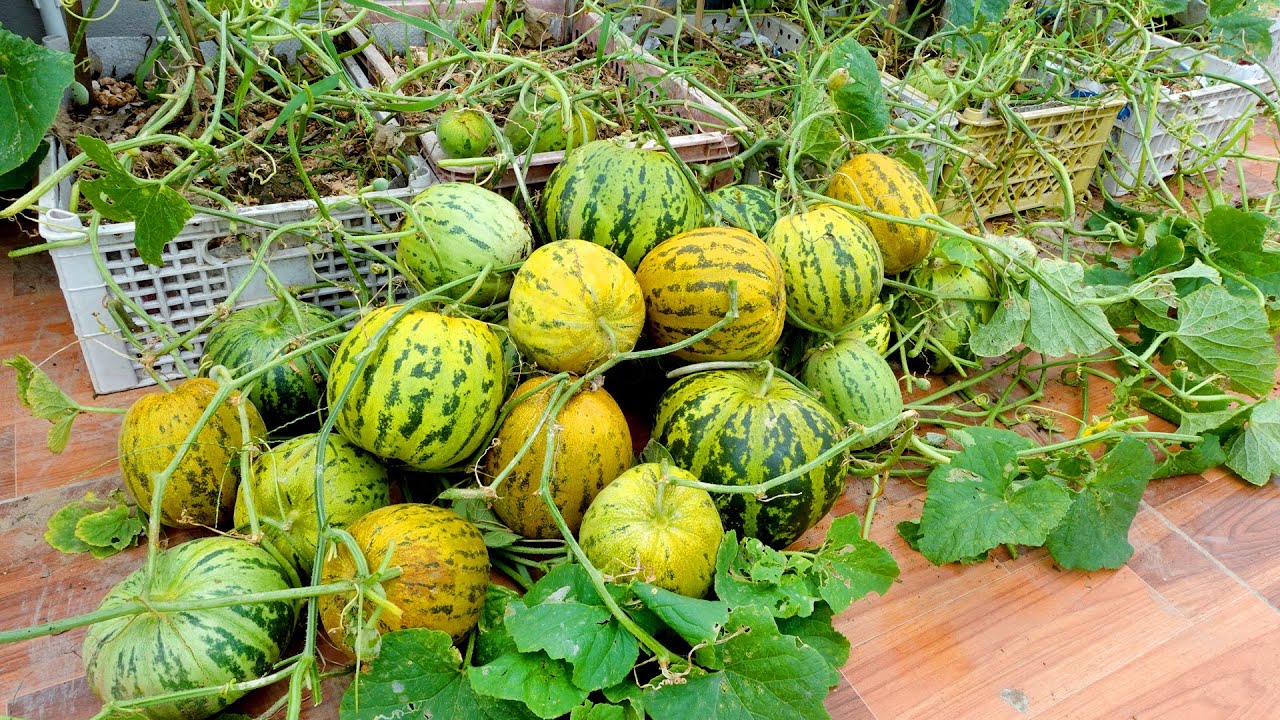
Picture yourself enjoying a warm summer evening, savoring the sweet taste of fresh melons that you’ve grown right on your terrace. It sounds delightful, but what if you’ve always thought that growing melons required a vast garden? You might be surprised to learn that with some adjustments, you can turn your compact outdoor space into a flourishing melon garden. Keep reading to discover how you can cultivate these delicious fruits at home.
Choosing the Right Varieties
When it comes to growing melons on your terrace, selecting the right varieties is essential. Not all melons thrive in small spaces, so consider these options:
- Cantaloupe: A favorite for its sweet flavor and fragrant aroma, cantaloupes grow well in containers.
- Honeydew: Producing smooth, sweet fruits, honeydews are great for small gardens and require similar care to cantaloupes.
- Icebox Watermelon: Smaller than traditional watermelons, icebox varieties can fit on your terrace while offering a refreshing treat.
Consider Hybrid Varieties
Hybrid varieties can often provide better yields and pest resistance, making them ideal for container gardening. Look for melon types that are specifically bred for smaller spaces.
Personalize Your Selection
Think about your tastes and whether you prefer sweet, tangy, or even savory melons. You can choose based on flavor preferences or desired fruit size to help maximize your terrace garden’s potential.
Ideal Growing Conditions
Melons thrive in warm, sunny environments. Here are some tips to ensure your terrace offers the best conditions:
- Sunlight: Aim for at least 6 to 8 hours of direct sunlight each day.
- Temperature: Keep temperatures between 70°F (21°C) and 90°F (32°C) for optimal growth.
- Container Size: Choose containers that are at least 5 gallons (19 liters) in size to allow enough room for growth.
Soil Requirements
Use well-draining soil enriched with organic matter like compost. Melons prefer a slightly acidic to neutral pH, ideally between 6.0 and 7.0.
Watering Practices
Consistent moisture is crucial, especially during the flowering and fruiting stages. Water deeply but less frequently to promote stronger root systems. Ensure that your containers have adequate drainage to prevent waterlogging.
Planting and Care
Once you’ve prepared your containers and selected your varieties, it’s time to plant and care for your melons. Follow these steps:
- Start Seeds Indoors: Begin by sowing seeds indoors about 4 weeks before the last frost date. Transplant them outside once they’ve developed a few true leaves.
- Direct Sowing: If you prefer direct sowing, wait until the risk of frost has passed. Plant 2-3 seeds per container and thin to the strongest seedling after they emerge.
- Fertilization: Use a balanced, slow-release fertilizer every few weeks once the plants are established, switching to one higher in potassium as the fruits begin to form.
Monitoring for Pests
Keep an eye out for common pests like aphids, spider mites, and whiteflies. Regularly check your plants and consider using natural deterrents if necessary.
Support for Vining Varieties
If you choose vining melons, you can save space by training them to climb a trellis. This not only saves room but can also improve air circulation around the fruit, helping them ripen more evenly.
Common Mistakes
Even seasoned gardeners can make mistakes! Here are a few pitfalls to avoid when growing melons on your terrace:
- Overwatering: Melons prefer moist but not saturated soil. Too much water can lead to root rot.
- Neglecting Support: Failing to provide support for vining varieties can reduce yields and create challenges for fruit development.
- Ignoring Sunlight Needs: Planting in shaded areas can stunt growth and lead to smaller, less flavorful melons.
- Using Poor Soil: Soil that lacks nutrients or doesn’t drain well can affect the health of your plants.
- Inconsistent Fertilization: Skipping regular feeding can impact fruit development, leading to smaller or less sweet melons.
FAQ
What type of container is best for growing melons?
Choose containers that are at least 5 gallons (19 liters) in size with good drainage to accommodate the roots of melon plants effectively.
How often should I water my melon plants?
Water deeply and consistently, aiming for at least once or twice a week, depending on rainfall and heat. Allow the top inch of soil to dry out between watering.
Can I grow melons from seeds in a small space?
Yes, you can easily grow melons from seeds in a small space by selecting compact varieties and using containers. Just ensure they receive enough sunlight and water.
Conclusion
Growing melons on your terrace can be a rewarding and enjoyable experience. By choosing the right varieties, ensuring proper growing conditions, and avoiding common pitfalls, you’ll be well on your way to nurturing your own sweet, juicy melons. What varieties are you excited to try in your terrace garden?