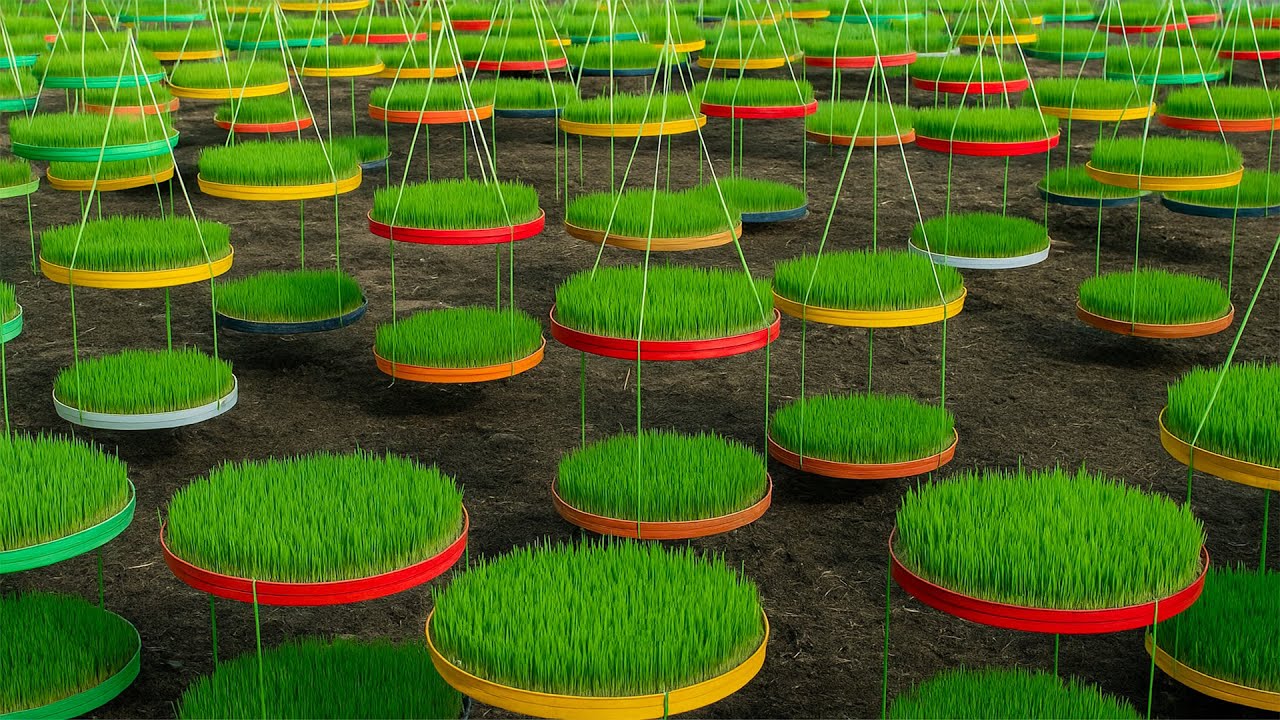
Grow 5x More Rice Seedlings Using an Old Plastic Bucket Lid!
Grow 5x More Rice Seedlings Using an Old Plastic Bucket Lid
Introduction
If you’ve ever tried growing rice seedlings, you understand the challenges involved in getting healthy, robust plants ready for transplanting. Traditional methods often require a lot of space and careful monitoring, leading to frustrating results. What if there was a way to maximize your yield while using an everyday item? In this guide, you’ll discover how an old plastic bucket lid can serve as an innovative solution. Keep reading to learn how to utilize this simple tool effectively.
Step-by-Step Process
Using an old plastic bucket lid to grow rice seedlings is a straightforward process. Follow these steps to ensure you grow five times more rice seedlings than usual:
- Gather your materials: You will need an old plastic bucket lid, rice seeds, potting soil, and water.
- Prepare the lid: Drill small holes in the lid for drainage. This prevents overwatering and promotes healthy roots.
- Add soil: Fill the lid with potting soil until it’s about two inches deep, allowing ample space for roots to grow.
- Soak the seeds: Before planting, soak your rice seeds in water for 24 hours to ensure quick germination.
- Plant the seeds: Evenly distribute the soaked seeds on top of the soil. Lightly press them into the soil to ensure contact.
- Water gently: Use a spray bottle to moisten the soil without displacing the seeds. Keep the soil consistently moist as the seeds germinate.
Monitoring Growth
As your seedlings begin to grow, watch for signs of healthy development. Ensure they receive enough sunlight, ideally 6-8 hours each day. You may need to rotate the lid occasionally to promote even growth.
Transplanting Your Seedlings
Once your seedlings reach about 6 inches in height, they are ready for transplanting. Carefully lift each seedling from the lid, ensuring you preserve the roots. You can now replant them in your prepared garden or a larger container.
Benefits of Using Plastic Lids
Utilizing an old plastic bucket lid for growing rice seedlings offers several benefits:
- Space-saving: The compact size allows you to grow more seedlings in limited spaces.
- Cost-effective: Using a recycled item reduces costs associated with gardening supplies.
- Easy to handle: The lightweight lid can be moved easily, making it convenient to monitor your seedlings.
- Eco-friendly: Repurposing plastic reduces waste and promotes sustainable gardening practices.
Improved Drainage
The drainage holes created in the lid ensure that excess water doesn’t accumulate, reducing the risk of root rot and promoting healthier plants.
Customizable
You can paint or decorate the plastic lid to make it visually appealing, turning your gardening project into a creative outlet.
Common Mistakes to Avoid
When using a plastic bucket lid for growing rice seedlings, it’s essential to sidestep certain pitfalls:
- Overwatering: This can lead to waterlogging. Ensure that the soil is moist but not soggy.
- Insufficient sunlight: Lack of proper light can stunt growth. Ensure your lid is placed in a bright area.
- Planting too deep: Pressing seeds too deep into the soil can hinder germination. A light touch is all that’s needed.
- Ignoring drainage: Not drilling enough holes can lead to stagnant water, risking the health of your seedlings.
- Neglecting nutrients: Once seedlings are established, consider adding a liquid fertilizer diluted in water to provide necessary nutrients.
FAQ
1. Can I use any type of plastic lid? Yes, almost any plastic lid will work, as long as it can hold soil and has proper drainage holes.
2. How often should I water seedlings? Keep the soil consistently moist, typically watering every 2-3 days, but adjust based on the season and humidity.
3. What is the best time to transplant seedlings? Transplant your seedlings when they are about 6 inches tall and the risk of frost has passed.
Conclusion
Using an old plastic bucket lid for growing rice seedlings is an efficient and innovative method that can significantly boost your yield. By following these simple steps, you’ll have a thriving garden in no time. Have you tried using recycled materials in your gardening? Share your experiences in the comments below!