10 Easy Steps to Create a Thriving Strawberry Garden from Pallets
10 Easy Steps to Create a Thriving Strawberry Garden from Pallets
Introduction
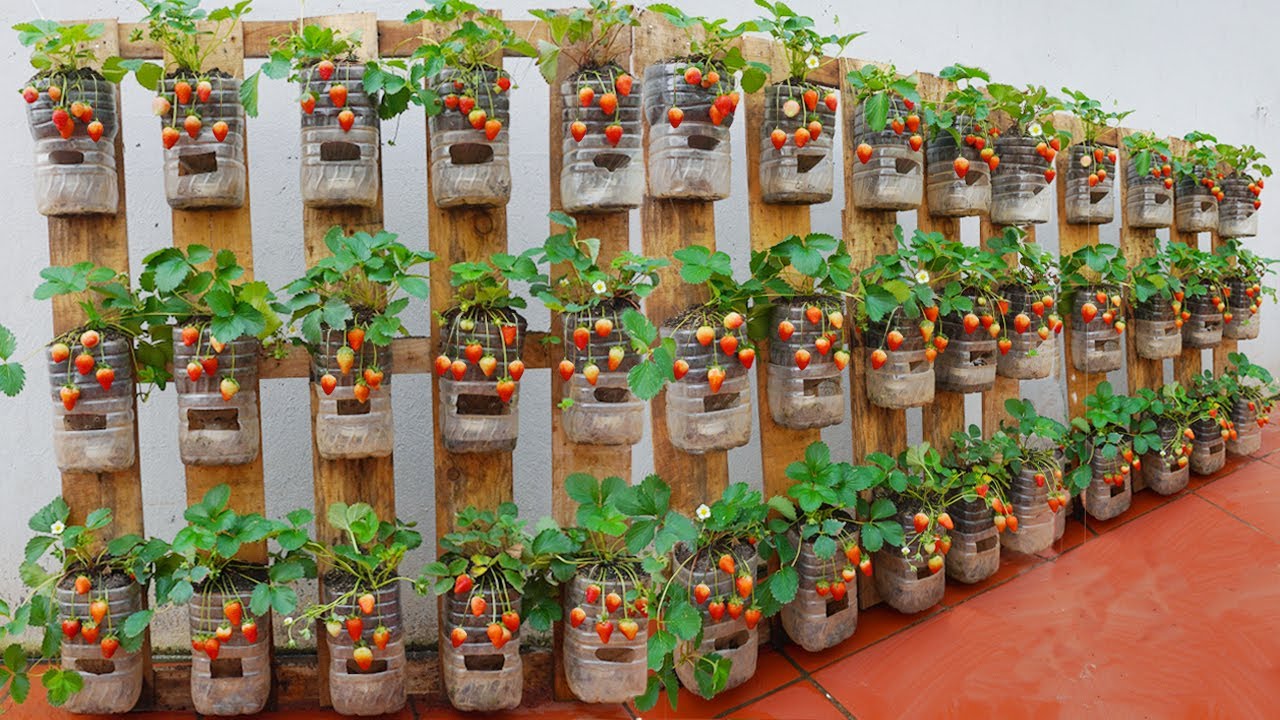
Have you ever wandered through a garden and marveled at the vibrant strawberries nestled among the leaves? You might even dream of harvesting your own juicy strawberries, bursting with flavor, all from the comfort of your backyard. The good news is that you can easily create a beautiful strawberry garden using pallets, transforming unused wood into a thriving space for these delectable fruits. Read on to discover how to bring this delicious vision to life.
Required Materials
Before diving into the process, gather the necessary materials to ensure your strawberry garden thrives.
- Pallets: Choose sturdy, untreated wooden pallets to avoid chemicals leaching into the soil.
- Strawberry plants: Opt for everbearing or day-neutral varieties for continuous harvests.
- Potting soil: A high-quality mix will provide essential nutrients for your plants.
- Gardening tools: Essential tools include gloves, a trowel, and a watering can or hose.
- Landscape fabric: This helps prevent weeds from taking over your pallet garden.
Planting Guide
Once you have your materials ready, follow these steps to successfully plant your strawberries in the pallets.
1. Prepare the Pallet
Start by cleaning the pallet to remove any dirt or debris. You might also want to sand down any rough edges.
2. Add Landscape Fabric
Cut pieces of landscape fabric and staple them inside the pallet to create pockets for the soil, preventing it from falling through.
3. Fill with Potting Soil
Fill each pocket with potting soil, ensuring it is packed well but not too tight, allowing roots to grow.
4. Plant Strawberry Plants
Gently place the strawberry plants into the pockets, making sure the crown of each plant is just above the soil surface.
5. Water Thoroughly
After planting, water your strawberries deeply to ensure the roots settle into their new environment.
Maintenance Tips
Caring for your pallet strawberry garden is crucial for a fruitful harvest.
1. Water Regularly
Your strawberries will need consistent moisture, especially during dry spells. Water them every few days at the base of the plants, avoiding overhead watering.
2. Fertilize as Needed
Use organic fertilizer to provide your plants with the necessary nutrients, but be cautious not to over-fertilize.
3. Protect from Pests
Keep an eye out for pests like slugs and aphids. You can use natural remedies, such as neem oil, to treat infestations without harming beneficial insects.
4. Trim Dead Leaves
Regularly remove any dead or yellowing leaves to promote better airflow and prevent disease.
Mistakes to Avoid
As you embark on your pallet strawberry garden journey, watch out for these common pitfalls.
- Overwatering: Ensure the soil drains well; soggy conditions can lead to root rot.
- Choosing the Wrong Strawberries: Avoid winter-only varieties; opt for those that can produce throughout the season.
- Neglecting Sunlight: Ensure your garden location receives at least 6-8 hours of sunlight daily.
- Ignoring Weeds: Regularly check for and remove weeds that can compete for nutrients and water.
FAQ
1. How long does it take for strawberry plants to bear fruit?
Strawberry plants typically start producing fruit within 4 to 6 weeks after planting, depending on the variety and growing conditions.
2. Can I grow strawberries in shade?
While strawberries prefer full sun, they can tolerate partial shade, but fruit production may be reduced.
3. What is the best time to plant strawberries?
The optimal time to plant strawberries is in early spring or fall, depending on your climate zone.
Conclusion
Creating a thriving strawberry garden from pallets is a rewarding project that brings fresh fruit to your table. By following these simple steps and avoiding common mistakes, your garden will flourish. What types of strawberries are you excited to grow in your pallet garden?