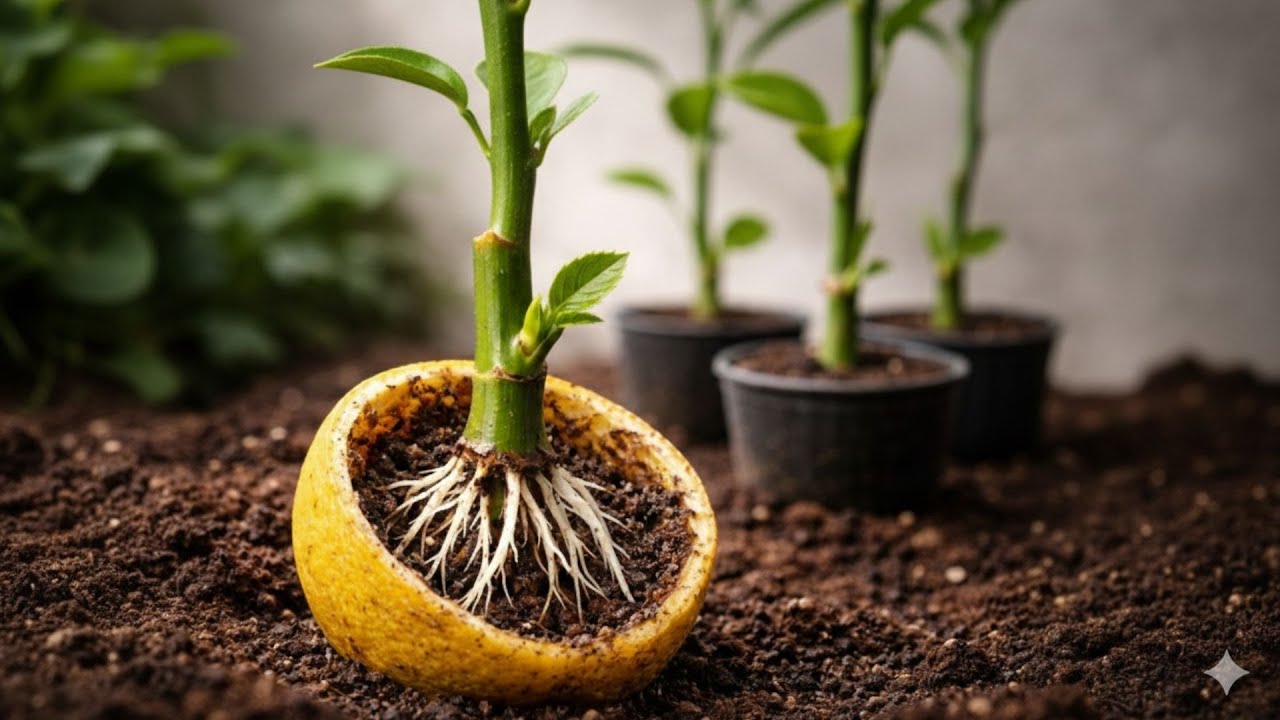
5 Simple Steps for Rooting Roses Without Hormones That Really Work!
Rooting Roses Without Hormones: A Simple Guide
- Introduction
- Benefits of Rooting Roses
- Required Materials
- Step-by-Step Rooting Process
- Common Mistakes to Avoid
- FAQ
- Conclusion
Introduction
Have you ever admired a beautiful rose garden and wished you could grow your own vibrant varieties? While the thought of propagating roses might seem daunting, it’s more achievable than you think. With a few simple techniques, you can root your favorite roses without relying on any synthetic hormones. By following a natural approach, you not only protect the environment but also connect more deeply with nature. Continue reading to discover how you can flourish your garden with home-rooted roses.
Benefits of Rooting Roses
Rooting your own roses offers several benefits that can enhance your gardening experience.
1. Cost-Effectiveness
Instead of purchasing new plants, you can propagate your own, effectively saving money. This practice also allows you to expand your rose collection without overspending.
2. Personalization
By rooting your favorite varieties, you can ensure that they match your garden’s aesthetic. You have full control over which traits to enhance or maintain.
3. Environmental Impact
Rooting roses without hormones promotes sustainability. You’re reducing reliance on chemical products, which can be beneficial for local ecosystems.
Required Materials
Before you start rooting roses, gather the necessary materials to ensure a smooth process.
- Healthy rose cuttings: Select stems that are strong and disease-free with at least 3-5 nodes.
- Potting soil: Use a quality potting mix that retains moisture but still allows for drainage.
- Containers: Choose small pots or propagation trays with drainage holes for your cuttings.
- Water: Fresh water is essential for hydration during the rooting process.
- Clear plastic bag or dome: This will create a humid environment to encourage growth.
Step-by-Step Rooting Process
Now that you have your materials ready, here’s how to root your roses successfully.
Step 1: Preparing the Cuttings
Start by taking cuttings from a healthy rose plant.
- Choose a stem: Look for a stem that is about 6 to 8 inches long.
- Make the cut: Cut just below a node at a 45-degree angle using clean shears.
- remove leaves: Strip off any leaves from the bottom half of the cutting to avoid rot.
Step 2: Planting the Cuttings
Next, it’s time to plant your cuttings.
- Moisten the soil: Ensure the potting mix is slightly damp but not saturated.
- Puncture holes: Create small holes in the soil with a pencil or your finger.
- Insert the cuttings: Place the cuttings into the holes, ensuring that at least one node is buried.
Step 3: Creating Humidity
Maintaining moisture is crucial for root development.
- Cover the cuttings: Use a clear plastic bag or dome to cover the pot, but ensure there is some airflow.
- Place in indirect light: Keep the setup in a bright spot, but out of direct sunlight to prevent overheating.
- Check moisture regularly: Ensure the soil remains humid but not soggy.
Step 4: Waiting for Roots
Patience is key during the rooting phase.
- Observe for growth: In a few weeks, you should see new leaves emerging from the cuttings.
- Test for roots: After a month or so, gently tug on the cutting to see if there is resistance, indicating roots have formed.
- Transplanting: When roots are 2-3 inches long, transplant the new roses into larger pots or your garden.
Common Mistakes to Avoid
While rooting roses is straightforward, avoiding certain pitfalls can lead to better results.
- Ignoring cleanliness: Using unclean tools can introduce diseases to your cuttings.
- Overwatering: Soggy soil can cause the cuttings to rot, preventing root development.
- Lack of humidity: Failing to maintain a humid environment can dry out the cuttings and hinder growth.
- Using unhealthy cuttings: Starting with sickly stems reduces the likelihood of successful rooting.
- Neglecting light conditions: Too much direct sunlight can scorch the cuttings.
FAQ
Can I root rose cuttings in water? Yes, you can root rose cuttings in water, but they typically root better in soil due to consistent moisture levels.
How long does it take for rose cuttings to root? It usually takes about 4-6 weeks for rose cuttings to root, depending on the variety and environmental conditions.
What time of year is best for taking rose cuttings? Late spring or early summer is the ideal time, as roses are more actively growing during this period.
Conclusion
Rooting roses without hormones is not only an environmentally-friendly endeavor but also a rewarding one. By following the steps outlined, you will be well on your way to enjoying a flourishing rose garden. Which variety of roses are you excited to propagate? Share your thoughts in the comments below!