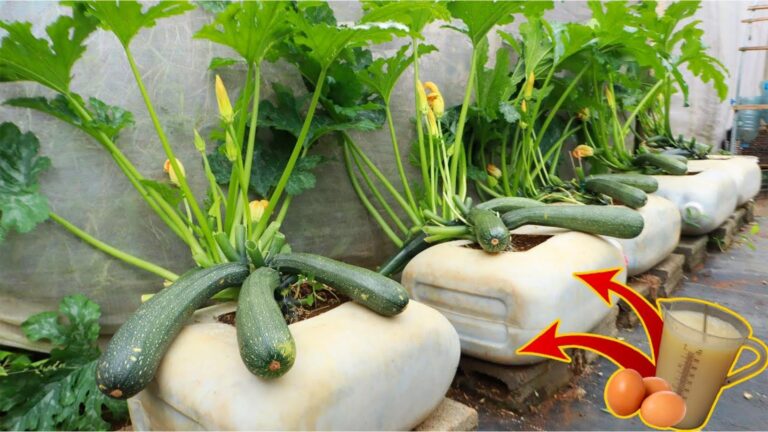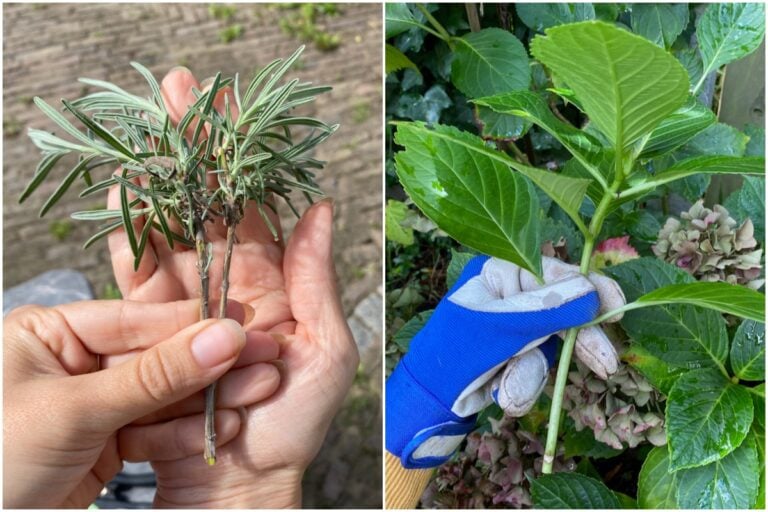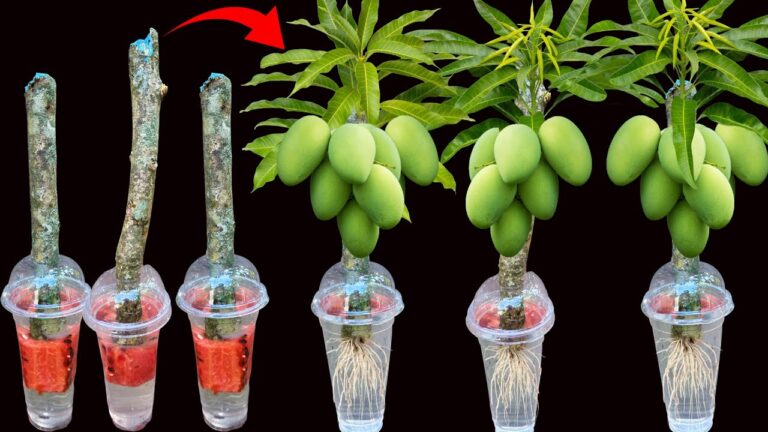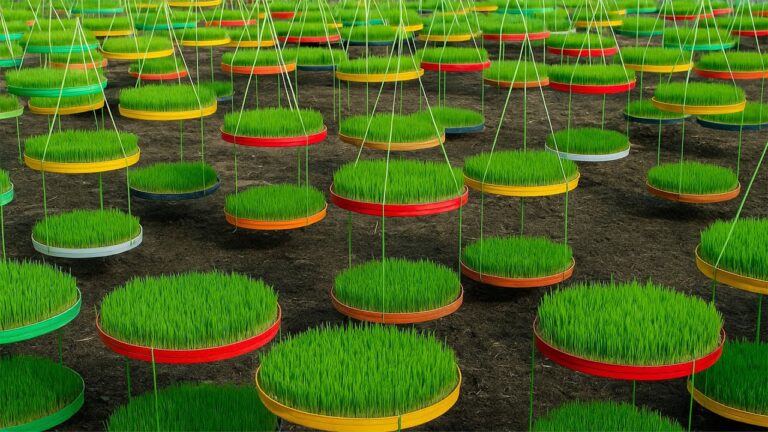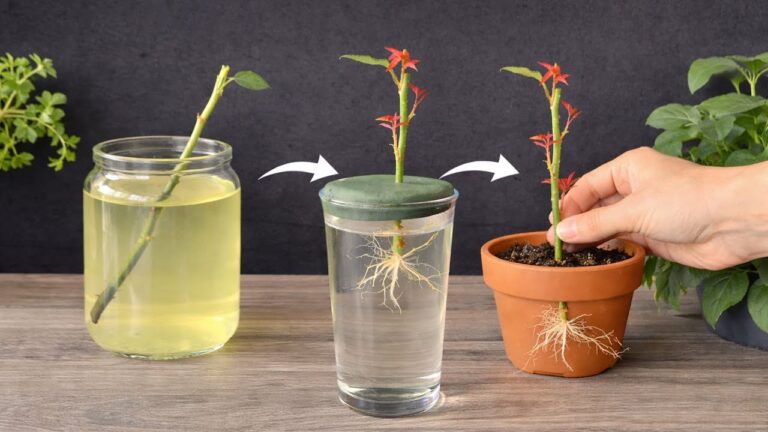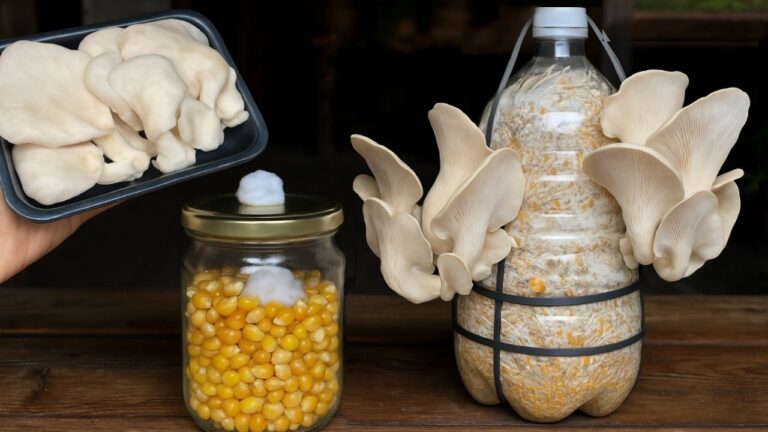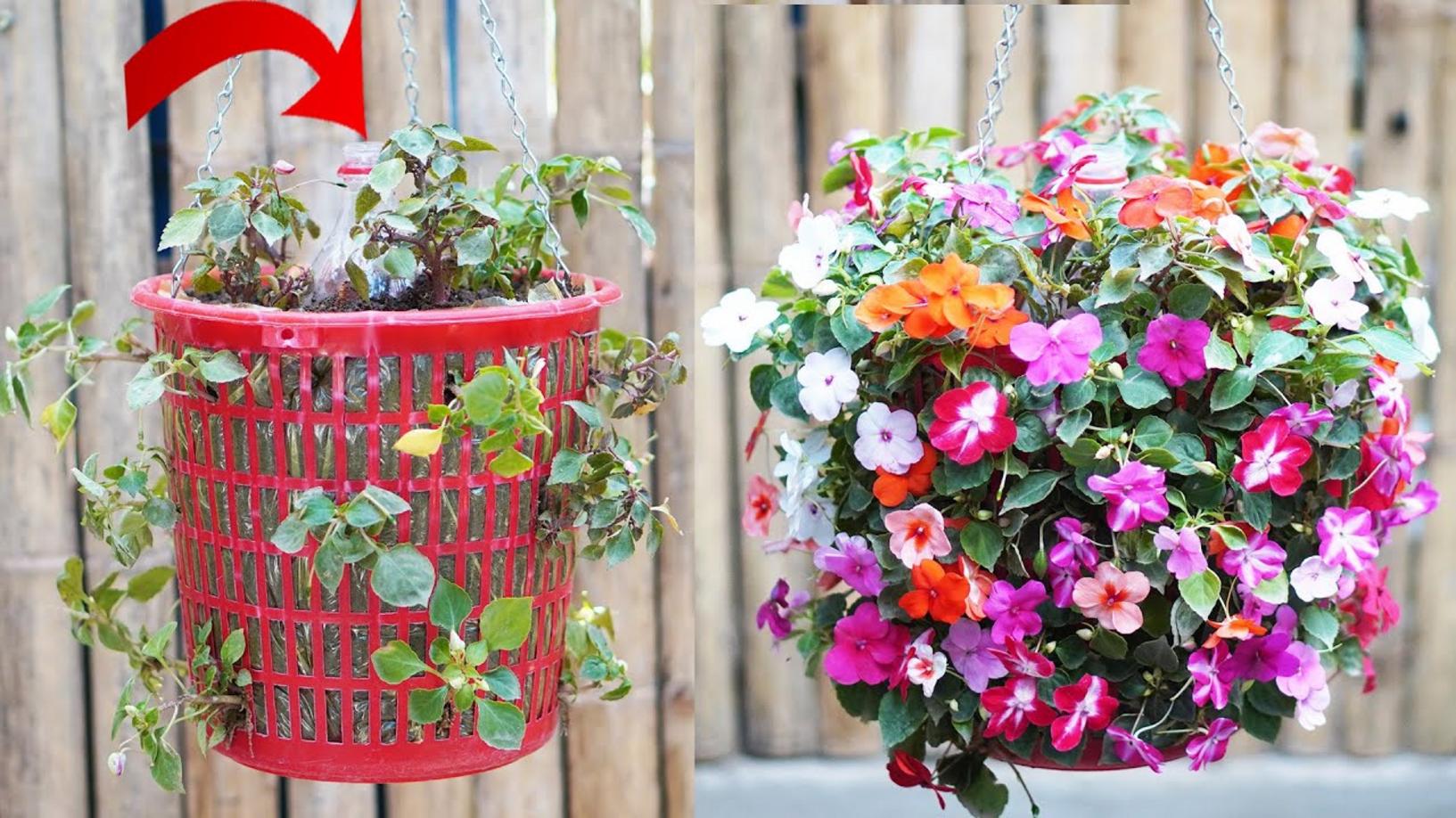
This forgotten trick turns trash into a stunning automatic watering garden…
This Forgotten Trick Turns Trash into a Stunning Automatic Watering Garden
Transforming Waste into Wonderful Gardens
Have you ever thought about how much **trash** we throw away that could actually enhance our gardening experience? With a little creativity and resourcefulness, it’s possible to turn everyday waste into an **automatic watering system** that not only saves you time but also saves **water** and nurtures your plants effectively. Let’s dive into the steps to create your very own **recycled** automatic watering garden!
Step-by-Step Guide to Creating Your Automatic Watering Garden
Step 1: Gather Your Materials
Start collecting items you usually discard, including:
- Plastic bottles
- Old buckets
- Cardboard boxes
- Old watering cans
These items will form the backbone of your **automatic watering system**. Ensure they’re clean and free from any harmful residues.
Step 2: Choose Your Garden Layout
Decide where you want to set up your garden. Consider sunlight exposure, accessibility, and visibility. You can easily incorporate your recycling system into:
- Container gardens
- Raised beds
- Balcony gardens
Step 3: Create Your Water Reservoir
Use a large plastic bucket or an old watering can to hold water. Cut a small hole or spout near the bottom to allow for easy drainage.
Position it at the highest point of your garden. This allows gravity to help distribute water consistently.
Step 4: Assemble Your System
Using your collected plastic bottles, cut off the bottoms and bury them upside down in the soil near the roots of your plants. This allows water to seep directly into the soil.
Connect the reservoir to the buried bottles with a piece of tubing or simply allow the water to flow naturally through the drainage hole.
Step 5: Monitor and Adjust Your System
Check your system regularly to ensure that it’s working effectively. Depending on the weather and type of plants, you might need to adjust how much water is released from your reservoir.
Practical Tips for Success
- Use organic mulch: Adding mulch to your garden helps retain moisture, reducing the need for frequent watering.
- Plant drought-resistant plants: Consider adopting native plants that require less water.
- Check the bottles: Ensure they’re not clogged to provide a consistent water supply.
Common Mistakes to Avoid
- Ignoring drainage: Ensure your reservoir has sufficient drainage to prevent water pooling.
- Over-watering: Monitor moisture levels to avoid drowning your plants.
- Using contaminated materials: Ensure all recycled materials are clean and safe for use.
A Beautiful Garden Awaits!
By turning **trash** into a stunning **automatic watering garden**, not only do you benefit from saving time and resources, but you also contribute to a more sustainable planet. Embrace your creativity and start your eco-friendly gardening journey today!
Don’t forget to share your progress and inspire others to transform their gardens. Let’s cultivate a greener future together! Try these steps, and share your garden photos with us. Happy gardening!