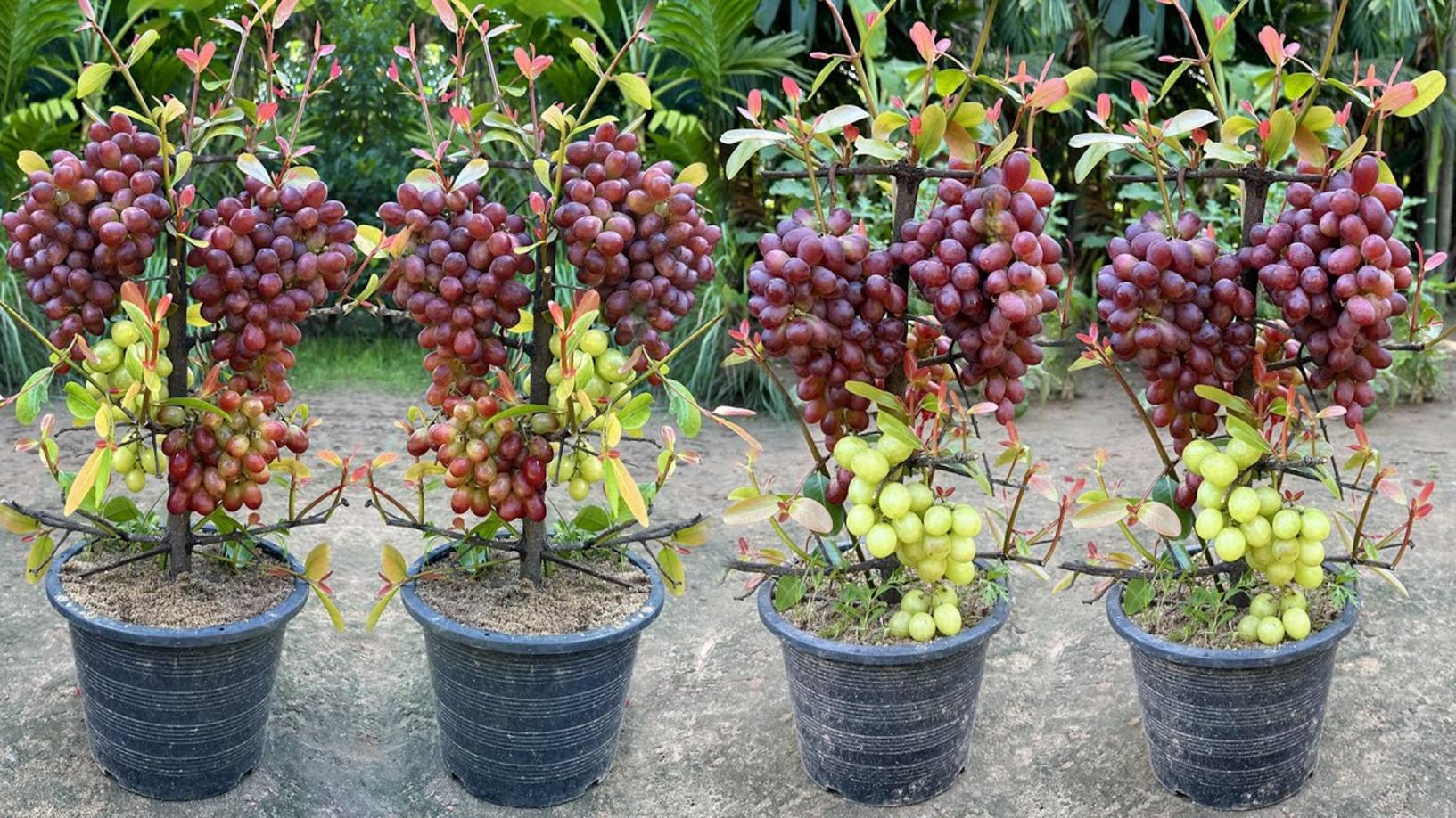
This forgotten trick transforms your grapevines into fruit-producing powerhouses…
This Forgotten Trick Transforms Your Grape Vines into Fruit-Producing Powerhouses
If you’ve ever wished your grapevines could produce more fruit, you’re in luck! With a simple yet **effective grafting** technique, you can transform your grapevines into fruitful wonders. This article will guide you step-by-step through the grafting process, share essential care tips, and help you avoid common mistakes along the way.
Understanding Grafting: Unlocking the Benefits
**Grafting** allows you to combine the strengths of two plants, enhancing fruit production and disease resistance. Here are a few benefits of grafting grapevines:
- Improved Yield: Grafting can lead to a higher quantity of grapes.
- Better Disease Resistance: Using a hardy rootstock can protect your grapes from common ailments.
- Accelerated Growth: Grafted plants often establish themselves faster than non-grafted counterparts.
Step-by-Step: How to Graft Your Grape Tree
1. Choose Your Stock and Scion
Begin by selecting a healthy rootstock (the base of your graft) and a scion (the part you want to grow). Choose a **disease-resistant rootstock** that thrives in your local climate, and select a scion from a grape variety you love.
2. Prepare the Grafting Tools
Equip yourself with a sharp knife or grafting tool, pruning shears, and grafting tape. Clean tools are crucial to avoid infections.
3. Make the Cuts
With the knife, make a clean cut on the rootstock. This cut should be slanted to form a wedge shape. Similarly, create a matching cut on your scion. This helps the two pieces fit together seamlessly.
4. Join the Graft
Insert the scion into the cut on the rootstock, ensuring that the cambium layers (the green part beneath the bark) touch. This is essential for a successful graft.
5. Secure the Graft
Wrap the grafting area with grafting tape to hold it steady. This prevents moisture loss and protects the graft.
6. Water and Care
After grafting, keep your plant well-watered but avoid over-watering. Place it in a shaded area to reduce stress as it heals.
Common Mistakes to Avoid
Even experienced gardeners can face challenges. Here are pitfalls to watch out for:
- Improper Cutting: Ensure your cuts are clean and precise; jagged edges can hinder bonding.
- Neglecting Moisture: Keep the graft moist, but not soggy, to encourage growth.
- Timing: Graft at the right season, typically in late winter or early spring when plants are dormant.
Motivating Conclusion: Take Action!
Now that you know the **grafting techniques** for grapevines, it’s time to put this knowledge into action! Experiment with grafting different varieties to discover which yields the best results. Remember, practice makes perfect, so don’t be discouraged by initial challenges.
For even more inspiration, consider trying your hand at grafting other fruit trees like **lemon**, **guava**, or **mango**. Share your successes with fellow gardening enthusiasts and watch your garden thrive!