Slash Heating Bills by 30% with This Simple Trick You Need to Try!
Easy Ways to Reduce Your Heating Bills This Winter
- Understanding Your Heating Bills
- Simple Strategies to Lower Your Costs
- Energy-Efficient Practices for Homeowners
- Common Mistakes to Avoid
- Frequently Asked Questions
Understanding Your Heating Bills
As winter approaches, many of us brace for a spike in heating costs. You may open your mailbox to find a bill that makes your heart sink, wondering how you’ll manage the expenses. Understanding the factors that contribute to your heating bills is the first step in finding ways to reduce them. Various elements such as the type of heating system, insulation, and even your thermostat settings can impact your costs.
Simple Strategies to Lower Your Costs
There are numerous strategies that you can implement to save on heating costs this season. Here are some straightforward tips:
1. Adjust Your Thermostat
- Lower your thermostat by a few degrees during the day when you’re not home.
- Use a programmable thermostat to set temperatures automatically.
- Consider investing in smart thermostat technology for even more control.
2. Seal Drafts and Leaks
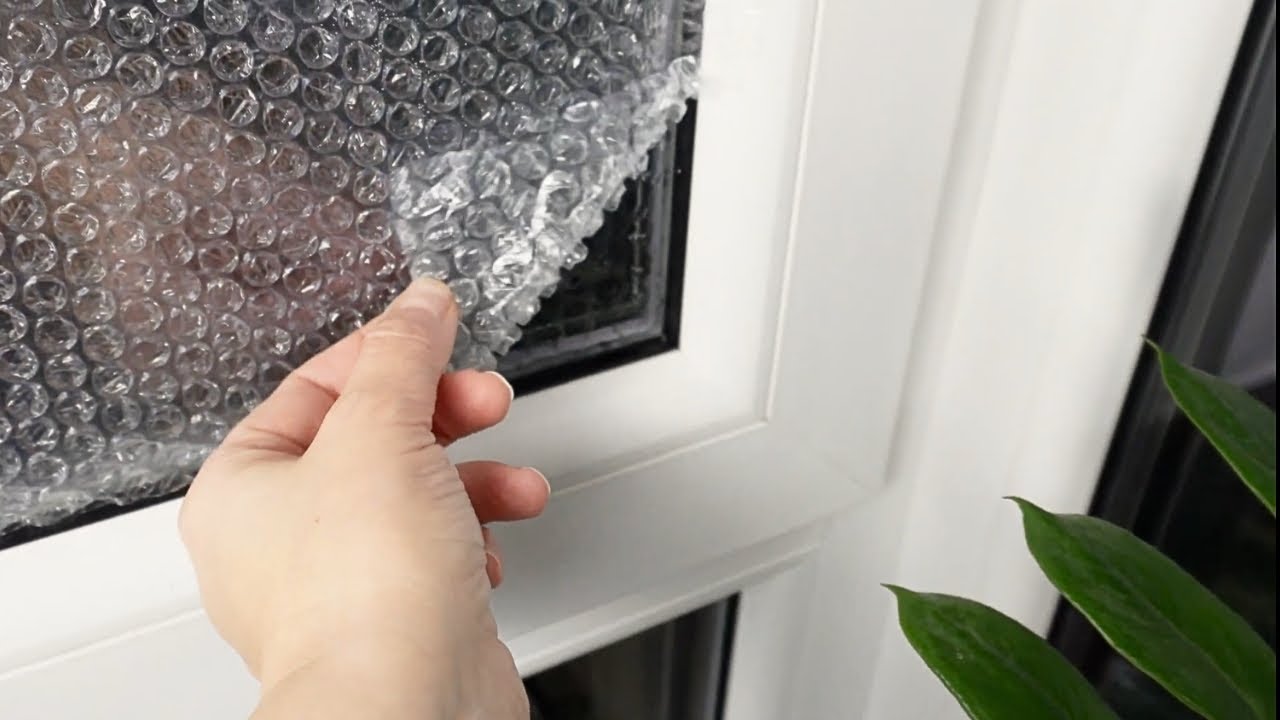
Check for drafts around windows and doors. Use weather stripping and caulk to seal any gaps. This simple action can make a noticeable difference in retaining heat.
3. Insulate Your Home
Proper insulation can prevent heat loss. Focus on areas like the attic, basement, and even walls. Adding insulation is a more significant investment but pays off in the long run.
Energy-Efficient Practices for Homeowners
Incorporating energy-efficient practices into your daily routine can also help lower heating bills significantly. Here are some effective methods:
1. Use Energy-Efficient Appliances
- Look for ENERGY STAR-rated appliances.
- Reduce the use of electric heaters when possible; consider safer alternatives like heat pumps.
2. Maintain Your Heating System
Regular maintenance of your heating system can improve efficiency and longevity. Remember to:
- Schedule annual inspections and cleanings.
- Replace air filters regularly to ensure optimal airflow.
3. Consider Alternative Heating Methods
Using space heaters in small areas can be effective. Just remember to turn them off when not in use. You might also explore the benefits of using heavier curtains to retain heat during colder months.
Common Mistakes to Avoid
As you work to decrease your heating expenses, be mindful of common pitfalls. Here are a few mistakes to avoid:
- Neglecting to seal off unused rooms, which can waste energy.
- Overusing heat sources rather than balancing them effectively.
- Ignoring the importance of ventilation; while sealing drafts is crucial, proper airflow is also necessary.
Frequently Asked Questions
What is the best temperature to set my thermostat?
A good starting point is to set your thermostat to around 68°F when you’re home and lower it while you’re away or sleeping.
How can I tell if my home is properly insulated?
Check for drafts and temperature variances in different rooms. Conduct a visual inspection in attics and walls if possible.
Are there any government programs to help with heating costs?
Many local governments offer assistance programs for low-income households. Check with your local energy provider for available resources.
Conclusion
By understanding your heating expenses and incorporating some practical strategies, you can effectively reduce your heating bills this winter. What strategies have you tried, and how successful were they for you? Feel free to share your experiences in the comments below!