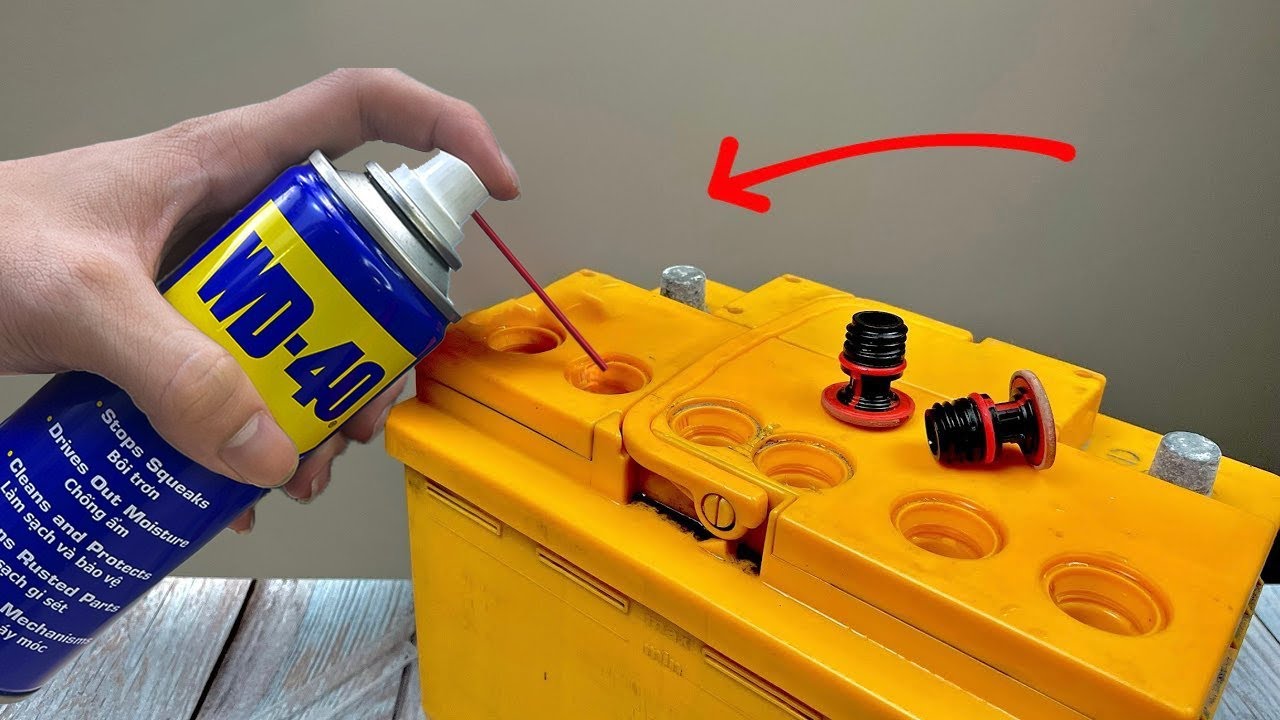
Revive Old Batteries in 1 Minute: The Surprising Repair Trick Every Driver Needs!
Revive Old Batteries: Practical Repair Tricks for Longevity
- Introduction
- Understanding Your Batteries
- Preparation Guide for Battery Revival
- Step-by-Step Methods to Revive Batteries
- Common Mistakes to Avoid
- FAQ
- Conclusion
Introduction
Have you ever faced the frustration of a dead battery in your vehicle, leaving you stranded and unsure of what to do next? It can feel overwhelming to think about replacing it, especially when you’re not ready for the expense. Fortunately, there are methods to revive old batteries that can extend their life without a hefty price tag. Continue reading to discover these practical solutions and tips.
Understanding Your Batteries
Before diving into revival methods, it’s essential to understand how batteries work and why they may lose their charge.
Types of Batteries
- Lead-Acid: Common in vehicles, known for reliability but can suffer from sulfation.
- Lithium-Ion: Often found in electronics, provide high energy density and can be less prone to sulfation.
- Nickel-Cadmium: Typically used in rechargeable devices and can be prone to memory effect.
Why Batteries Fail
- Sulfation: A buildup of lead sulfate crystals that can prevent charging.
- Corrosion: Accumulation on battery terminals can disrupt the connection.
- Age: Batteries naturally lose capacity over time.
Preparation Guide for Battery Revival
Before attempting to revive your battery, having the right materials and safety precautions is essential.
Required Materials
- Distilled water
- Cleaning solution (baking soda and water)
- Protective gloves and eyewear
- Multimeter to check the voltage
Safety Precautions
Take the following precautions to ensure your safety:
- Always use protective gear when handling batteries.
- Work in a well-ventilated area, away from open flames.
- Properly dispose of any damaged batteries.
Step-by-Step Methods to Revive Batteries
Now that you’re equipped with the right materials and knowledge, here are practical steps to revive old batteries.
Method 1: Cleaning Terminals
- Disconnect: Remove the battery from the vehicle or device.
- Mix: Create a paste using baking soda and water.
- Apply: Use a toothbrush to scrub the terminals and remove corrosion.
- Rinse: Wipe off the paste and allow the terminals to dry completely.
- Reconnect: Put the battery back and try starting your vehicle or device.
Method 2: Adding Distilled Water
- Check: If the battery is a lead-acid type, examine the fluid levels.
- Add: Pour distilled water into the cells if the fluid is low.
- Charge: Connect to a battery charger and allow it to charge fully.
- Test: Use a multimeter to check if the voltage has stabilized.
Method 3: Epsom Salt Solution
This method can help tackle sulfation in lead-acid batteries.
- Dissolve: Mix 1 cup of Epsom salt with 1 cup of hot distilled water.
- Fill: Carefully pour this mixture into the battery cells.
- Charge: Allow the battery to charge fully after filling.
Common Mistakes to Avoid
Improper handling or techniques can hinder your battery revival efforts. Here are some common pitfalls to watch out for:
- Using tap water instead of distilled water can introduce impurities.
- Not letting the battery dry completely after cleaning can lead to further corrosion.
- Overcharging the battery can cause damage and reduce its lifespan.
- Neglecting safety measures increases the risk of injury when handling batteries.
FAQ
Can all batteries be revived?
Not all batteries are salvageable; if a battery has deep damage or is extremely old, it may be better to replace it.
How often should I maintain my batteries?
Regular maintenance every few months can help prolong battery life, especially for those in frequent use.
Will using these methods affect battery performance?
Proper revival techniques can improve performance, but results vary based on the battery’s initial condition.
Conclusion
Reviving old batteries can save you money and extend their usability. By following the methods outlined and avoiding common mistakes, you can keep your batteries in better shape longer. What has been your experience in reviving batteries? Feel free to share your thoughts in the comments.