Revive 5 Broken Plastic Items with This Amazing Liquid Plastic Trick!
Revive Broken Plastic Items with a Simple Liquid Plastic Trick
- Introduction
- Why Use Liquid Plastic?
- Best Applications for Liquid Plastic
- How to Use Liquid Plastic
- Mistakes to Avoid
- FAQ
Introduction
Have you ever found yourself staring at a broken plastic item that you just can’t bear to throw away? Whether it’s a cherished garden ornament, a favorite storage container, or a beloved kids’ toy, these items can hold significant value in our homes. Instead of discarding them, you might be surprised to discover how a simple liquid plastic trick can bring these items back to life. Continue reading to learn more about this fascinating solution.
Why Use Liquid Plastic?
Liquid plastic is a versatile and effective way to repair broken plastic items. Here’s why it’s becoming a go-to method for many:
- Cost-effective: Compared to buying new items, repairing with liquid plastic saves money.
- Eco-friendly: Using liquid plastic reduces waste and allows you to recycle instead of throwing away.
- Durable: Once dried, liquid plastic forms a strong bond that can withstand regular use.
Benefits of Using Liquid Plastic
In addition to its practicality, liquid plastic can enhance your DIY efforts. It allows you to:
- Personalize your repairs with custom colors or finishes.
- Restore not just functionality but also the appearance of your items.
Best Applications for Liquid Plastic
Liquid plastic can be effectively used in various situations. Here are some of the best applications:
- Repairing garden tools: Fix broken handles or worn edges on your gardening tools.
- Reviving plastic toys: Reassemble parts of broken toys for children and pets.
- Fixing household items: Restore handles on storage containers or fixtures in the home.
- Sealing leaks: Repair leaks in plastic bottles or watering cans to prevent wastage.
Tips for Choosing Liquid Plastic
When selecting a liquid plastic product, consider these tips:
- Look for a product that is UV resistant if the item will be outdoors.
- Choose a transparent option for a more seamless repair.
How to Use Liquid Plastic
Using liquid plastic is a straightforward process. Follow these steps to effectively revive your broken plastic items:
- Gather materials: You will need liquid plastic, a mixing tool, and safety gloves.
- Prepare the surface: Clean the area you wish to repair to ensure proper adhesion.
- Mix the liquid plastic: According to the manufacturer’s directions, prepare the mixture.
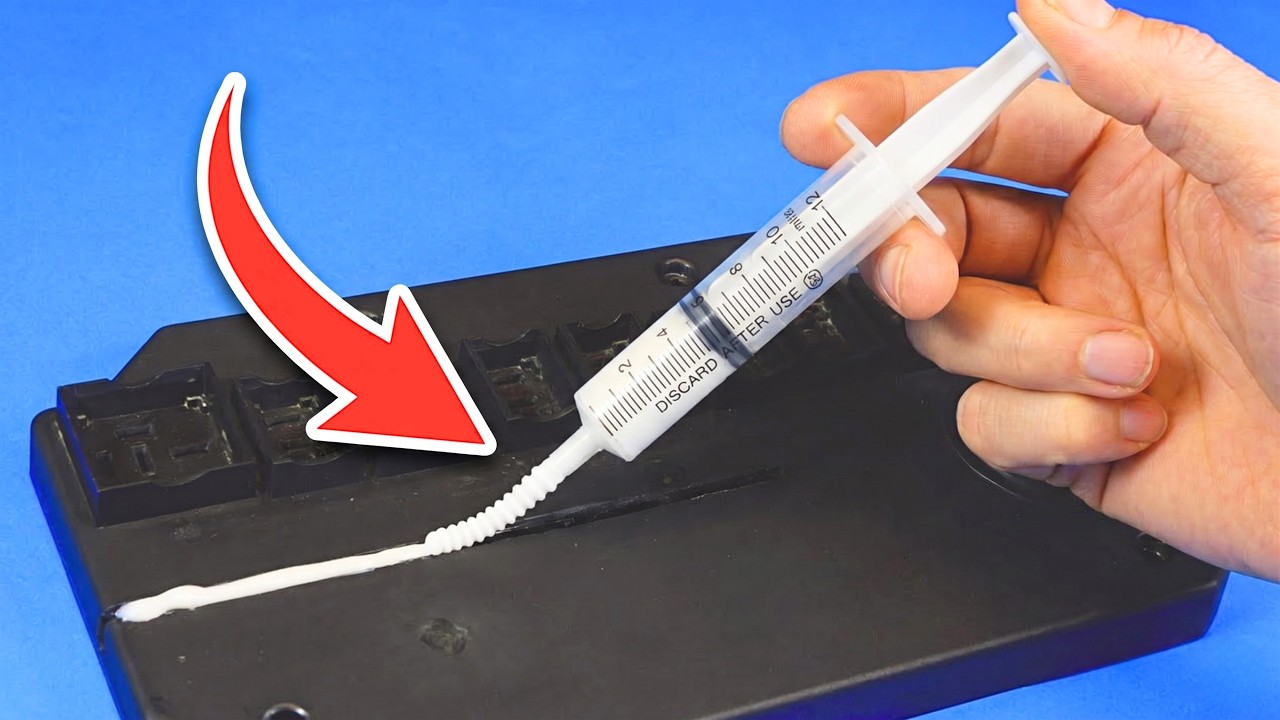
- Apply the liquid plastic: Use the mixing tool to gently apply the liquid to the damaged area.
- Allow it to cure: Follow the recommended time for the liquid plastic to fully harden.
Practical Tips for Application
Here are additional tips to enhance your repair process:
- Work in a well-ventilated area to minimize inhalation of fumes.
- Consider using painter’s tape to create clean lines if needed.
Mistakes to Avoid
While repairing your broken plastic items, it’s important to be aware of common pitfalls. Here are some mistakes to avoid:
- Rushing the curing process: Allowing enough time for the liquid plastic to cure is essential for a strong bond.
- Using too much product: Excess liquid can lead to an uneven surface or prolonged drying times.
- Ignoring safety precautions: Always use gloves and work in a well-ventilated space to protect yourself.
FAQ
What is liquid plastic used for? Liquid plastic is used for repairing broken plastic items by creating a strong bond that restores functionality and appearance.
How long does it take for liquid plastic to cure? The curing time depends on the specific product; always refer to the manufacturer’s instructions for guidance.
Can I paint over liquid plastic? Yes, once fully cured, liquid plastic can typically be painted to match the surrounding areas.
Conclusion
Reviving broken plastic items with liquid plastic is both simple and rewarding. With the right approach, you can effectively restore functionality and extend the life of your favorite items. What plastic possessions have you considered repairing, and how do you feel about giving them a second life?