10 Tips for Growing Eggplants at Home Like a Pro!
10 Tips for Growing Eggplants at Home Like a Pro
- Introduction
- Choosing the Right Variety
- Ideal Growing Conditions
- Planting and Care Tips
- Common Mistakes
- FAQ
- Conclusion
Introduction
Have you ever gazed longingly at the glossy, purple eggplants in the grocery store, wishing you could grow your own? Many gardeners find that nurturing these delightful vegetables is both fulfilling and rewarding. However, getting started can seem daunting with their specific requirements. This guide will provide you with essential tips to grow eggplants successfully at home. Stay tuned for practical advice that will empower you to cultivate your own vibrant crops!
Choosing the Right Variety
When it comes to growing eggplants, selecting the right variety is crucial for your garden’s success. There’s a wide range of eggplant types, each offering various sizes, shapes, and flavors.
1. Popular Varieties to Consider
- Black Beauty: This classic variety produces large, glossy fruit.
- Italian Rosa: A smaller, purple-skinned option ideal for garden beds.
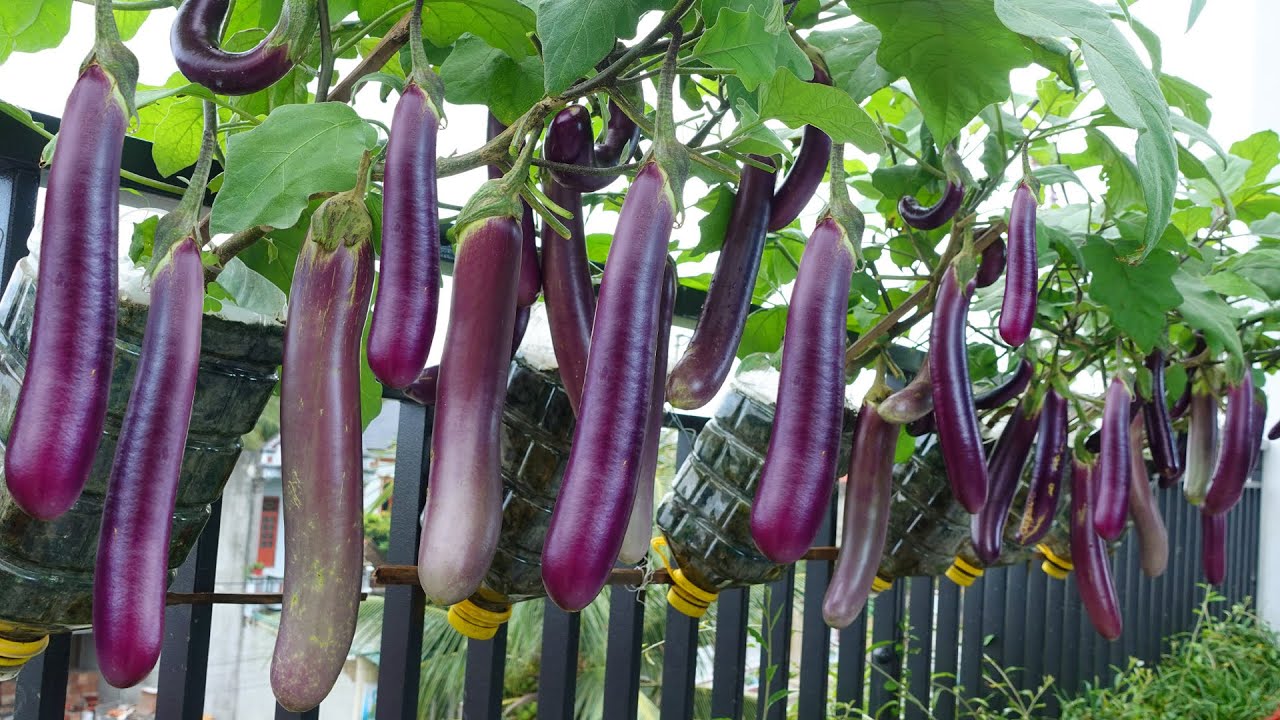
- Japanese Eggplant: Known for its slender shape and tender skin, making it excellent for stir-frying.
2. Specialty Varieties to Try
- White Eggplant: A unique twist on traditional varieties, adding visual interest.
- Graffiti Eggplant: Features a stunning purple-and-white striped skin, perfect for an eye-catching garden.
3. Consider Your Growing Space
Make sure to choose a variety that suits the space you have available. If you have limited room, smaller varieties may be best, while larger gardens can accommodate the expansive growth of classic types.
Ideal Growing Conditions
Eggplants thrive under specific conditions, so it’s important to set up the right environment for them to flourish.
1. Soil Requirements
Eggplants prefer rich, well-draining soil with a pH of 6.0 to 6.8. Adding compost or organic matter can significantly enhance soil nutrition.
2. Sunlight Needs
These plants love sunlight. Aim for at least six to eight hours of direct sunlight daily to ensure robust growth.
3. Watering Techniques
Consistent moisture is key. Water your eggplants regularly, but avoid over-watering, which can lead to root rot. A good rule of thumb is to check the top inch of soil — if it’s dry, it’s time to water.
Planting and Care Tips
Successfully growing eggplants also requires careful planting and ongoing maintenance.
1. Starting Seeds Indoors
- Start seeds indoors about 8 to 10 weeks before the last frost date.
- Transplant seedlings outdoors after the danger of frost has passed and once temperatures are consistently above 60°F.
2. Fertilizing for Growth
Feed your eggplants with a balanced fertilizer every few weeks to support their growth.
3. Pest Management Strategies
Monitor your plants for insects like aphids and flea beetles. Natural remedies like neem oil can be effective in combating pests without harsh chemicals.
Common Mistakes
Avoiding common pitfalls will help ensure your eggplants grow beautifully throughout the season.
1. Ignoring Soil Quality
Using poor-quality soil can stunt growth. Ensure your soil is nutrient-rich and well-draining.
2. Over-Watering or Under-Watering
Both extremes can harm your plants. Be consistent and attentive to your plants’ needs.
3. Neglecting to Prune
Failing to prune can lead to overcrowding. Regularly remove damaged leaves and suckers to improve air circulation.
4. Planting Too Close Together
Avoid overcrowding by providing ample space between plants, allowing each one to receive adequate sunlight and nutrients.
5. Harvesting Too Late
Wait for the fruits to reach their ideal color and size. Late harvesting can result in bitter-tasting eggplants.
FAQ
1. How long does it take for eggplants to grow?
Eggplants typically take around 70 to 90 days from planting to harvest, depending on the variety.
2. Can eggplants grow in pots?
Yes, eggplants can thrive in pots. Just make sure the container is at least 5 gallons and has good drainage.
3. What is the best time to plant eggplants?
The best time to plant eggplants is in late spring after the last frost, when soil temperatures are warm enough for growth.
Conclusion
With the right variety, conditions, and care, you’ll be well on your way to growing beautiful eggplants at home. Have you tried growing eggplants or other vegetables in your garden? Share your experiences in the comments!