10 Easy Steps to Create a Vertical Garden from Plastic Bottles at Home
Create a Vertical Garden from Plastic Bottles at Home
- Introduction
- Required Materials
- Step-by-Step Guide
- Creative Variations
- Common Mistakes
- FAQ
- Conclusion
Introduction
Have you ever looked at your backyard or balcony and wished for a lush green oasis, but felt discouraged by limited space? A vertical garden may be the perfect solution to transform those ordinary areas into a beautiful display of greenery without taking up much room. Plus, it’s an excellent way to reuse plastic bottles that would otherwise contribute to waste. This guide will walk you through the steps to create your very own vertical garden using recycled materials.
Required Materials
Before diving into the project, gather all necessary materials to ensure a smooth and enjoyable experience. Here’s what you will need:
- Plastic bottles (3-5 depending on garden size)
- Strong scissors or a utility knife
- A nail or drill for drainage holes
- Twine or strong wire (for hanging)
- Potting soil
- Herbs, flowers, or vegetables for planting
Step-by-Step Guide
Creating your vertical garden is simpler than you might think. Follow these steps for a successful outcome:
- Prepare the plastic bottles: Rinse out the bottles thoroughly. Remove labels if desired for a cleaner look. Cut them in half or create slots for planting, depending on your design.
- Make drainage holes: Use a nail or drill to create small holes in the bottom of each bottle to prevent water from pooling.
- Attach bottles: Use twine or strong wire to hang the bottles in a stacked formation. You can stack them directly on top of one another or offset for better visibility.
- Fill with soil: Layer potting soil into each bottle, making sure to leave enough space for your plants.
- Plant your selections: Choose small herbs, flowers, or vegetables and plant them in the soil. Space them evenly to allow for growth.
Maintenance Tips
Keep your vertical garden thriving by following these maintenance tips:
- Water regularly, ensuring that excess water drains properly.
- Fertilize your plants as needed to encourage growth.
- Regularly check for pests or diseases and manage them promptly.
Creative Variations
Once you’ve mastered the basic vertical garden, consider personalizing it with these creative ideas:
Colorful Arrangements
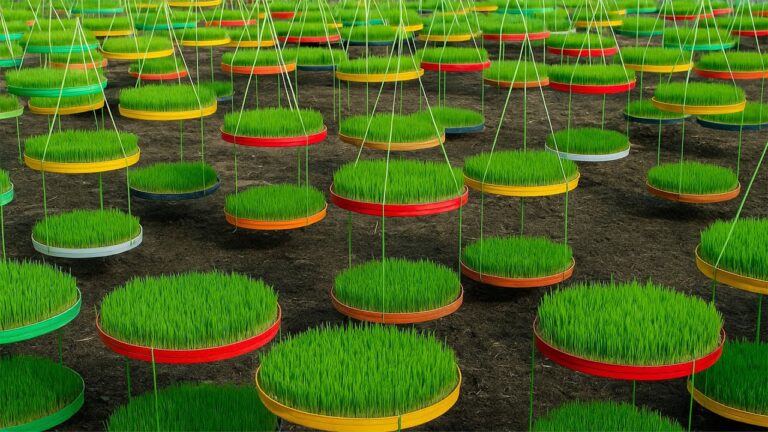
Paint your plastic bottles in different colors to create an eye-catching display. Use non-toxic paint suitable for outdoor use.
Different Plastic Containers
Experiment with different containers such as milk cartons or tin cans for a varied look.
Layering Techniques
Layer your bottles at different heights to enhance your garden’s vertical aspect. This adds depth and visual interest.
Common Mistakes
To ensure the success of your vertical garden, avoid these common pitfalls:
- Not making enough drainage holes, leading to waterlogged plants.
- Choosing plants that are too large for the confined space of the bottles.
- Forgetting to provide enough sunlight for your garden.
- Over-waterng, which can easily harm smaller plants.
- Neglecting maintenance tasks such as pruning and fertilizing.
FAQ
1. Can I use other types of plastic containers?
Yes, you can use other plastic containers like yogurt cups or milk jugs, as long as they can hold soil and have drainage.
2. What types of plants are best for vertical gardens?
Herbs like basil and mint, small flowering plants, and compact vegetables such as cherry tomatoes work well in vertical gardens.
3. How can I protect my vertical garden in winter?
Consider bringing your vertical garden indoors or covering it with burlap to shield it from harsh winter conditions.
Conclusion
Creating a vertical garden from plastic bottles is a fun and eco-friendly way to beautify your space while promoting sustainability. With just a few steps, you can enjoy the charm of greenery without needing extensive outdoor space. What plants will you add to your vertical garden?