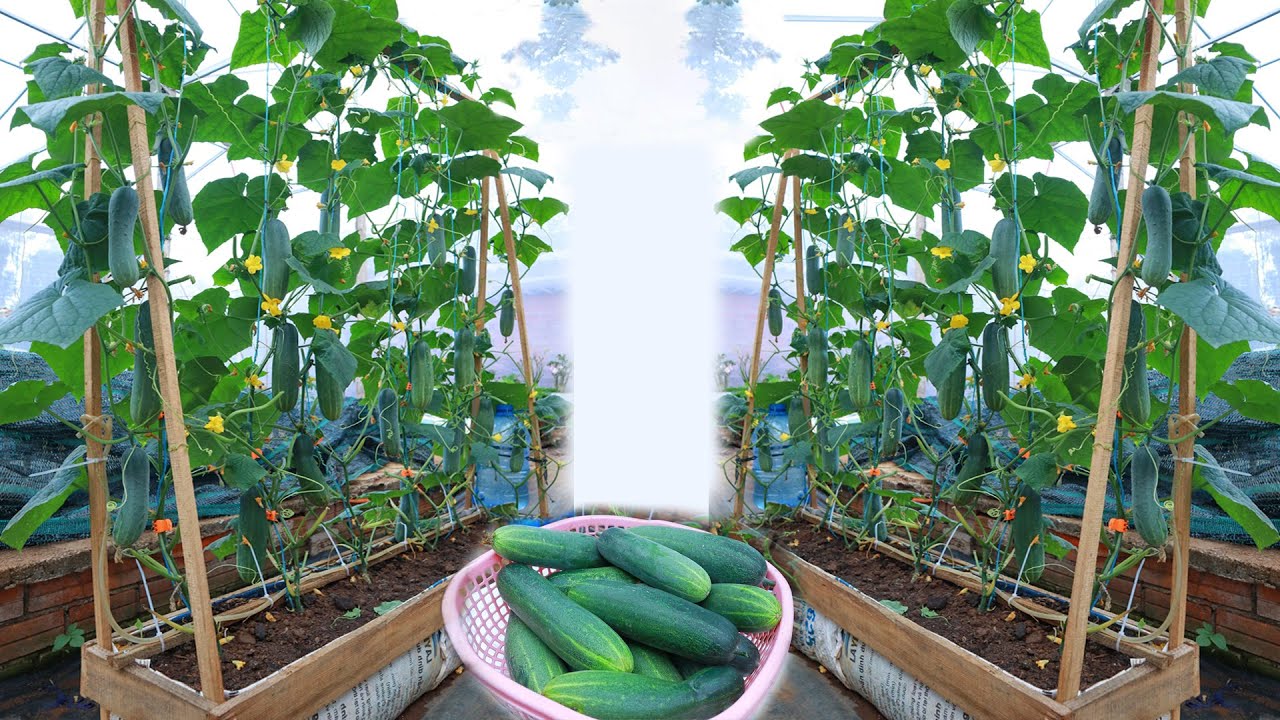
10 Tips to Grow Cucumbers at Home for a Bountiful Harvest
10 Tips for Growing Cucumbers at Home for a Bountiful Harvest
- Introduction
- Choosing the Right Seeds
- Preparing the Soil
- Watering and Sunlight Needs
- Common Mistakes to Avoid
- FAQ
- Conclusion
Introduction
Growing cucumbers at home is a rewarding experience, especially when you finally sink your teeth into a freshly picked fruit. However, many gardeners find themselves facing challenges, from insufficient growth to pest infestations. Did you know that with the right tips and techniques, you can avoid these common pitfalls? Continue reading to discover how to achieve a bountiful cucumber harvest.
Choosing the Right Seeds
Before you plant, it’s essential to select the proper cucumber seeds, as this will set the foundation for your successful gardening journey. Here are some important considerations:
- Consider Variety: Choose between slicing cucumbers or pickling cucumbers based on your preference.
- Check Disease Resistance: Opt for varieties that are resistant to common diseases like downy mildew.
- Local Adaptation: Select seeds suited for your climate and local growing conditions.
Growing Conditions
Understanding your growing environment is crucial:
- Warm soil—cucumbers thrive in temperatures around 70°F to 95°F (21°C to 35°C).
- Check your frost dates to ensure a timely planting.
Preparing the Soil
A fertile foundation is vital for healthy cucumber plants. Here’s how to prepare your soil for planting:
- Test Soil pH: Aim for a pH of 6.0 to 6.8 for optimal growth.
- Add Organic Matter: Incorporate compost or well-rotted manure to enrich the soil.
- Ensure Drainage: Cucumbers do not like wet feet; consider raised beds if you have heavy soil.
Soil Structure
Good soil structure enhances root growth:
- A sandy loam is ideal for cucumbers.
- Avoid compacted soil to allow for proper drainage and aeration.
Watering and Sunlight Needs
Proper hydration and sunlight are crucial components for thriving cucumber plants. Follow these guidelines:
- Water Regularly: Aim for an inch of water per week, especially during dry spells.
- Water at Soil Level: Apply water directly to the soil to prevent fungal diseases.
- Sunlight Requirements: Cucumbers need at least 6 to 8 hours of sunlight daily.
Mulching Benefits
Consider mulching your plants to retain moisture:
- Organic mulches like straw or grass clippings help regulate soil temperature.
- They also suppress weeds that compete for nutrients and water.
Common Mistakes to Avoid
Even seasoned gardeners can fall into common traps when growing cucumbers. Here are mistakes to be aware of:
- Planting Too Close: Cucumbers need space for air circulation; overcrowding can lead to disease.
- Inconsistent Watering: Fluctuations in moisture can result in bitter cucumbers.
- Ignoring Pest Control: Regularly check for pests like aphids and cucumber beetles.
FAQ
What is the best time to plant cucumbers?
Plant cucumbers after the last frost date, typically in late spring, when the soil has warmed.
How often should I fertilize my cucumber plants?
Fertilize every three to four weeks with a balanced fertilizer, but avoid over-fertilizing as it can lead to leafy growth rather than fruit.
Why are my cucumbers turning yellow?
Yellowing can be a sign of nutrient deficiency or improper watering. Ensure consistent moisture and proper fertilization.
Conclusion
By following these tips for growing cucumbers, you’ll be on the path to a thriving garden and a plentiful harvest. What techniques have you tried to improve your cucumber crop? Share your experiences in the comments below!