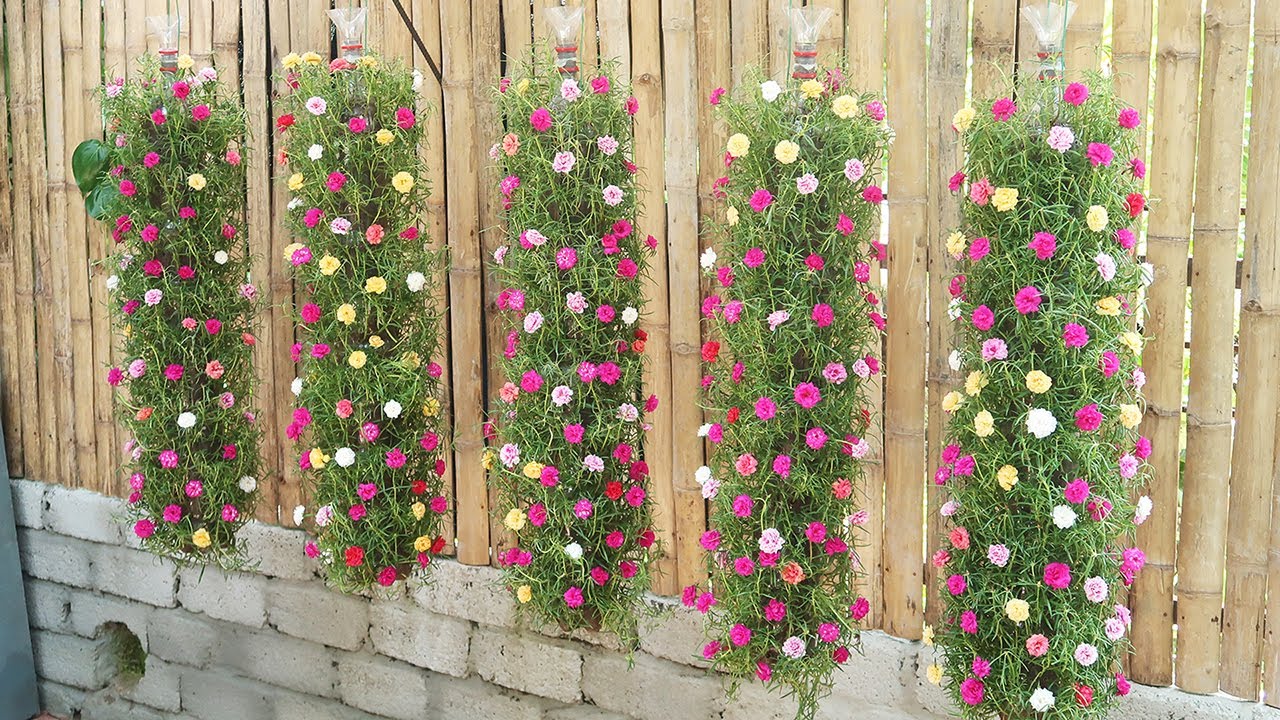
7 Easy Steps to Create a Stunning DIY Vertical Hanging Garden for Small Spaces
7 Easy Steps to Create a Stunning DIY Vertical Hanging Garden for Small Spaces
- Introduction
- Required Materials
- Design Ideas for Your Garden
- Step-by-Step Guide to Building Your Vertical Garden
- Common Mistakes to Avoid
- FAQs
Introduction
When living in a small space, the desire to bring nature indoors often feels out of reach. Your limited area might make you think that gardening is unattainable. However, vertical hanging gardens offer a perfect solution to infuse greenery into your home without occupying precious floor space. So, if you’re looking to enhance your living environment with beautiful plants, keep reading to discover how you can create your own stunning vertical hanging garden.
Required Materials
Before diving into your project, gather the following materials to ensure a smooth building process:
- Wooden pallets or a vertical garden frame
- Potting soil
- Your choice of plants (herbs, flowers, or succulents)
- Landscape fabric or burlap
- Staple gun
- Plastic planting pots or containers
- Hanging hardware
Design Ideas for Your Garden
Let your creativity flow with these design inspirations for your vertical hanging garden:
- Colorful herb garden: Choose a mix of herbs like basil, mint, and thyme for a fragrant and useful garden.
- Flower wall: Combine various flowering plants to create a vibrant display that adds visual interest.
- Succulent display: Utilize different shapes and sizes of succulents for a low-maintenance yet attractive option.
Consider your space and sunlight conditions when selecting designs and plant types to ensure they thrive.
Step-by-Step Guide to Building Your Vertical Garden
Creating your vertical hanging garden involves several straightforward steps. Follow this guide to get started:
1. Choose Your Location
Select a spot that receives adequate sunlight and is easily accessible for watering and maintenance.
2. Prepare the Frame or Pallet
If using a wooden pallet, clean it thoroughly. Stretch landscape fabric over the back and staple it securely to hold the soil.
3. Fill Containers with Soil
Add potting soil into your plastic planting pots or containers, leaving enough space for the plants.
4. Plant Your Choice of Greenery
Carefully plant your selected flowers, herbs, or succulents in the containers. Make sure they are positioned to allow for growth.
5. Secure the Planters to the Frame
Attach your containers to the frame or pallet using the hardware, ensuring that they are stable and won’t fall off.
6. Water and Fertilize
Once everything is in place, water your plants thoroughly and consider applying a gentle fertilizer to promote healthy growth.
7. Monitor and Maintain
Keep an eye on moisture levels and adjust your watering schedule as needed. Trim any dead leaves to keep your garden thriving.
Common Mistakes to Avoid
To ensure a successful vertical garden, steer clear of these common pitfalls:
- Overcrowding: Avoid planting too many plants in one space, as they need room to grow.
- Poor drainage: Ensure your containers have drainage holes to prevent waterlogging.
- Neglecting sunlight: Choose plants that suit the light conditions of your chosen location.
- Ignoring plant compatibility: Pair plants with similar watering and sunlight needs to ensure a healthy garden.
FAQs
What types of plants are best for a vertical garden?
Herbs, succulents, and smaller flowering plants work well in vertical gardens, as they often require similar light and watering conditions.
How often should I water my vertical garden?
Water your vertical garden when the top inch of soil feels dry. The frequency will vary depending on plant types and climate conditions.
Can I create a vertical garden indoors?
Yes, indoor vertical gardens can thrive with proper lighting and care. Choose plants that adapt well to indoor environments.
Conclusion
Building a DIY vertical hanging garden is a fantastic way to incorporate greenery into small spaces while providing a unique aesthetic appeal. By following the steps outlined above and avoiding common mistakes, you’ll be on your way to enjoying your little slice of nature in no time. What plants are you thinking of using in your vertical garden?