Trim Spirea This Midsummer for Blooms That Last Until Fall
Trim Spirea This Midsummer for Blooms That Last Until Fall
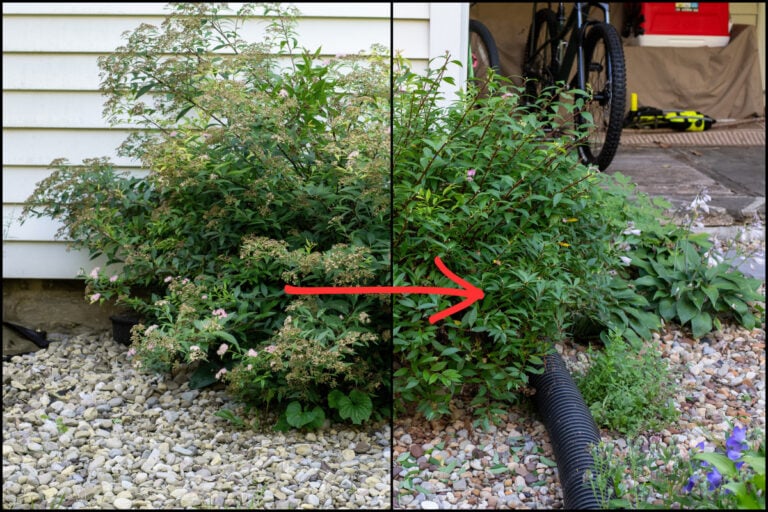
Japanese spirea is a stunning addition to any garden, showcasing fluffy pink clusters of flowers. However, when these clusters turn into unsightly brown masses, it can diminish their beauty. Fortunately, with some careful trimming, you can enjoy vibrant blooms all summer long.
A Love–Hate Relationship
Let me share a little personal story related to this topic. When I moved into my new home in the spring of 2024, I discovered an overgrown Japanese spirea in my garden. Initially, I couldn’t even identify it because it looked like a tangled mess of crunchy brown branches. But after a month, once it started to leaf out, its identity became clear.
This plant made me uneasy. It was so overgrown that I couldn’t see inside it, and its branches brushed against me whenever I walked by. Who knew what hidden surprises lay within?
On May 3rd, I found out exactly what was lurking inside.
I committed to trimming this spirea as soon as Mama Cat moved her kittens out of the shrub. I didn’t want any more unexpected surprises, no matter how cute they were.
Understanding Japanese Spirea
Japanese spirea (Spiraea japonica) is a popular and low-maintenance shrub in the Rosaceae family, the same family as roses. Its care during the summer is similar as well, producing an abundance of buds in the spring that culminate in a vibrant display by midsummer, followed by a gradual decline by mid-July.
However, with a little pruning, this timeline can change significantly!
Why is Deadheading Important?
In early spring, your spirea channels a lot of energy into producing as many blooms as possible. This is a part of their reproductive cycle, ensuring the survival of new plants for the following year. After blooming and pollination, the plant begins to focus its energy on seed production.
Here’s where a problem arises: once a plant senses it has completed its job, it slows down. By continuously deadheading—removing the spent flowers—you trick the plant into thinking it still has work to do, prompting it to produce more blooms.
How to Deadhead Spirea
There are two strategies for deadheading spirea: continuous deadheading throughout the blooming season or a one-time light pruning in midsummer. I prefer the latter, as my summers tend to be quite busy.
To begin deadheading, grab a pair of sharp, clean, and sterilized pruning shears. I recommend using Fiskars pruning snips for this task; they are sturdy but don’t overwhelm the job like secateurs would.
Look over your shrub and cut just below the faded flower heads, ideally down to the next healthy leaves or side buds where the new growth will emerge. If you want to shape the shrub at the same time, you can cut an inch or two lower than the old blooms, promoting denser and tidier growth while yielding more flowers.
Which Spirea Benefit from Midsummer Pruning?
Caution is advised when pruning; not all spirea varieties respond the same way. Japanese spirea is the most common and responds exceptionally well to deadheading. Other varieties, such as bridal wreath spirea (Spiraea prunifolia), bloom in early spring on old wood and should be pruned immediately after their blooms fade.
If you have ‘Magic Carpet,’ ‘Goldflame,’ or ‘Anthony Waterer’ spirea, you can deadhead these as needed to encourage blooming throughout the summer. A good rule of thumb: if it flowers in summer, continuous deadheading will reward you with more blossoms.
When to Stop Deadheading
I usually stop deadheading in early fall when the plant starts to slow down and prepare for dormancy. At that time, I allow the last blooms to go to seed, enjoying the dried seed heads that catch the autumn frost. Birds often snack on them, which is a delightful bonus.
If your spirea appears weary later in the season, a rejuvenating cut in spring can help. These shrubs can become leggy over time, and a hard prune—cutting back to 6-8 inches—can work wonders. While it may seem harsh, spirea appreciates this fresh start.
A Word About Fertilizing
In case you’re wondering about fertilizing, if you’re actively deadheading and urging your spirea to bloom regularly, provide it with the necessary nutrients. A balanced, slow-release fertilizer applied in spring is usually sufficient, with an optional second feeding in midsummer using a fertilizer rich in phosphorus and potassium.
Deadheading may not seem glamorous, but it is incredibly rewarding, resulting in a more abundant floral display. As for the kittens I discovered? They all came inside after Mama Cat weaned them, and two were adopted by me. Thankfully, only flowers grow in my spirea these days!
Conclusion
Now that you have your pruners ready, why not trim your fading perennials for fresh growth and a second bloom? With a little effort, your garden will flourish all summer long!