5 Gardening Trends I’m Leaving Behind for a Thriving Garden
5 Gardening Trends I’m Leaving Behind for a Thriving Garden
When you think about gardening, you might not associate it with the word “trendy.” However, just like in other aspects of life, trends emerge in the gardening community, coming and going like the seasons. Over the years, I’ve adopted various gardening practices, some of which have proven beneficial, while others have fallen by the wayside. Let’s dive into a few trends I’ve tried and why I no longer pursue them.
1. Square Foot Gardening
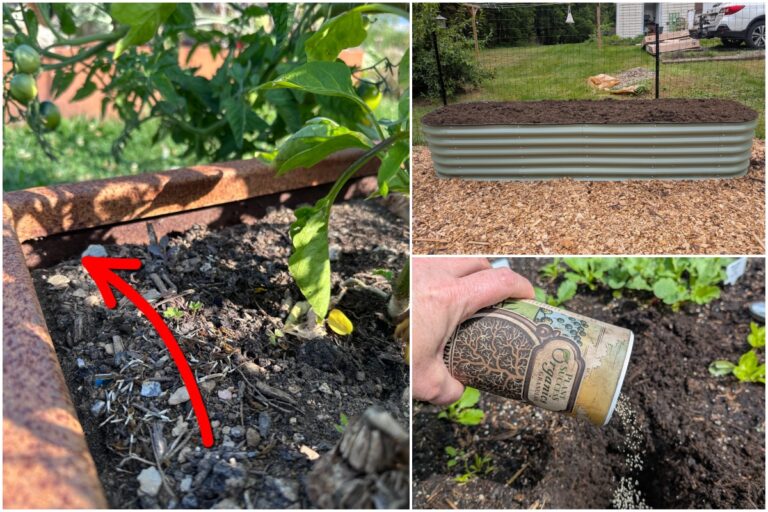
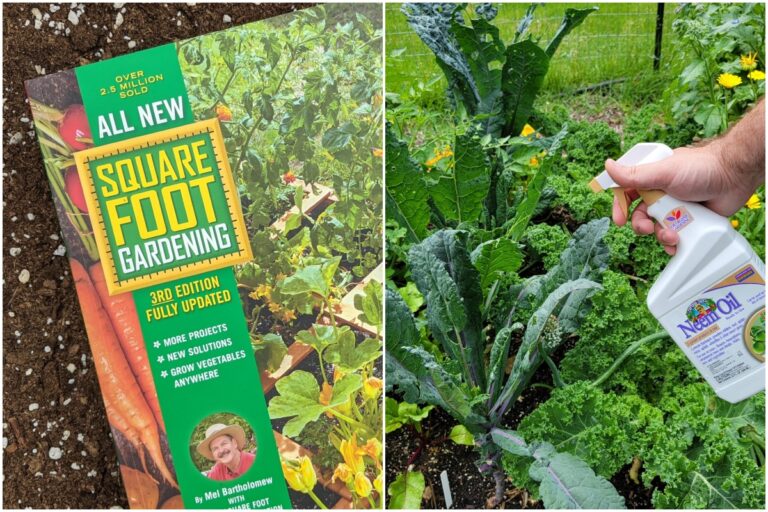
For a while, I followed the Square Foot Gardening method. It’s a fantastic way to maximize space, and I even created a simple planter grid to facilitate planting. However, I’ve moved away from this precise method. Each square is dedicated to the same plant, leading to wasted soil space. Instead, I’ve embraced a more chaotic approach, allowing me to plant alongside existing crops. This method not only enhances biodiversity but also optimizes my garden’s yield.
2. The Florida Weave
Initially, I tried the Florida Weave technique for staking tomatoes, and it worked wonderfully. My plants thrived under its support. However, I eventually discovered string training, which is a better fit for my indeterminate tomatoes. By training them to grow upwards, I’m able to save space, improve airflow, and keep my garden organized. My mantra now is: “If it can grow up, that’s the way to go!”
3. Growing Zucchini Vertically
Vertical gardening has proven transformative for those of us with limited space, especially with sprawling zucchini plants. However, zucchini isn’t a natural climber like tomatoes or cucumbers. It requires constant training to grow upwards, and I found that it often becomes cumbersome. Additionally, I enjoy the aesthetic of a large, bushy zucchini plant in my garden, which adds vibrancy and beauty to my space. For me, gardening is as much about aesthetics as it is about producing food.
4. Neem Oil
Neem oil has long been touted as a gardener’s go-to for pest and disease management. While it’s organic and widely accessible, I found it largely ineffective in my garden. Despite its promises, it did little to deter pests like cabbageworms. Over time, I opted for alternatives like copper fungicide and Bacillus Thuringiensis, both of which have proven to be more successful in my gardening practice. Sometimes, trends don’t live up to their hype.
5. Seaweed “Fertilizer”
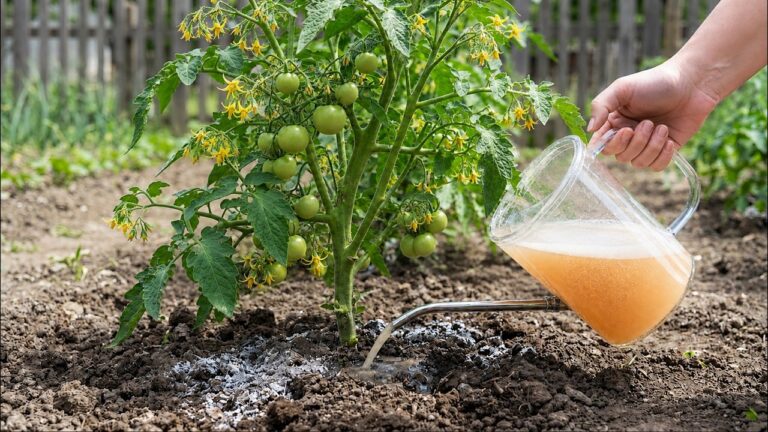
The trend of using seaweed products as fertilizer came and went swiftly in my garden. While marketed as a natural solution, many of these products have minimal NPK ratios, making them ineffective for robust plant growth. They are primarily designed to provide trace minerals, which may not be necessary for many gardeners. I learned that while they can be beneficial as supplements, they often add more frustration than growth. A comprehensive look at seaweed fertilizers can help clarify this confusion.
Conclusion
Gardening trends can be fun to explore, and I’m always open to trying new methods. However, it’s essential to recognize when a trend is no longer serving its purpose. Letting go of ineffective practices is crucial for building a thriving, vibrant garden. As we navigate the world of gardening, it’s important to focus on what works best for our individual spaces and to embrace the beauty and joy that comes from nurturing our green sanctuaries.