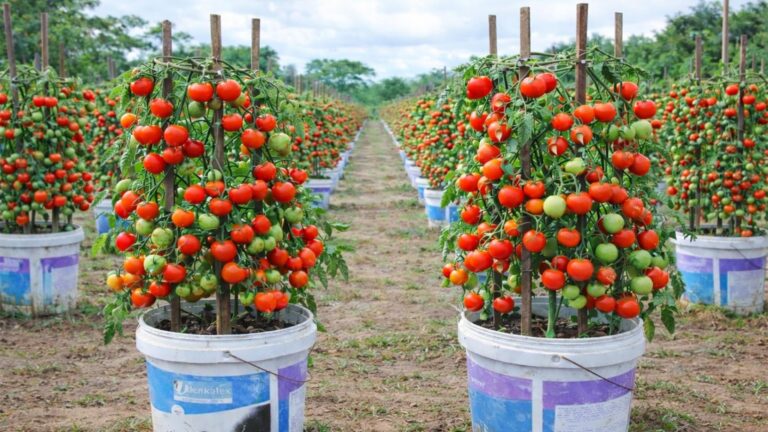
Discover the 1 Secret Fertilizer That Will Maximize Your Tomato Harvest!
Unlocking the Secret Fertilizer for a Bountiful Tomato Harvest
- Introduction
- Understanding Tomato Nutrition
- Ideal Fertilizer Components
- Application Techniques for Maximum Yield
- Common Mistakes to Avoid
- FAQ
Introduction
Picture this: You’ve nurtured your tomato plants with love, but when harvest time arrives, the results fall short of your expectations. Perhaps the fruits are smaller than you’d hoped or lack the robust flavor you desire. Many gardeners face this disappointment, wondering where they might have gone wrong. Understanding the right fertilization technique can be transformative for your garden. As you read on, you’ll uncover how to enhance your tomato yield dramatically.
Understanding Tomato Nutrition
To effectively boost your tomato harvest, it’s vital to grasp tomato nutrition. Knowing what your plants need helps you tailor your fertilization approach.
Essential Nutrients for Tomatoes
- Nitrogen – Supports leafy growth.
- Phosphorus – Encourages root development and flowering.
- Potassium – Increases fruit size and enhances flavor.
Soil Testing
Before applying any fertilizer, consider conducting a soil test. This helps determine the existing nutrient levels and pH in your garden. You can purchase a home testing kit or send a sample to a local agricultural extension office for a comprehensive analysis.
Ideal Fertilizer Components
The heart of maximizing your tomato harvest lies in selecting the ideal fertilizer components. Here’s what to look for:
Organic Options
- Compost – Enriches soil with natural nutrients and enhances moisture retention.
- Bone Meal – A great source of phosphorus.
- Wood Ash – Provides potassium and can help balance soil acidity.
Commercial Fertilizers
If you opt for commercial fertilizers, look for a balanced formula labeled for tomatoes, usually with an NPK ratio like 5-10-10. This ensures your plants receive sufficient nutrients without overwhelming them.
Application Techniques for Maximum Yield
Knowing how and when to apply fertilizer can significantly impact your harvest. Here are some effective application techniques.
When to Fertilize
Start fertilizing when your tomato plants are about 6 inches tall. Continue to feed them every 4 to 6 weeks during the growing season. Avoid fertilizing just before harvest, as this can lead to excess foliage instead of fruitful plants.
Application Methods
- Top-Dressing – Sprinkle the fertilizer around the base of the plants without disturbing the roots and water it in.
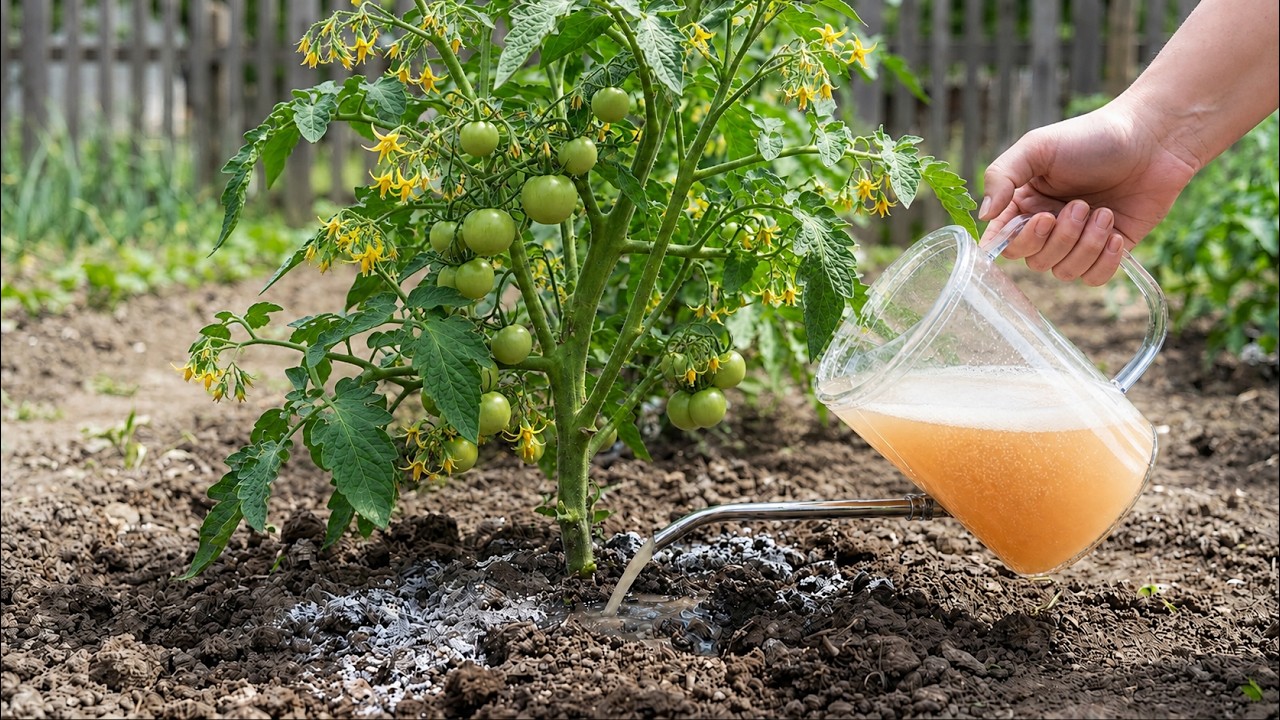
- Liquid Feeding – Mix the fertilizer with water and apply directly to the soil or foliage for a quick nutrient boost.
Common Mistakes to Avoid
Over-Fertilization
Applying too much fertilizer can burn the plants and lead to poor fruit development. Always follow the recommended amounts, especially with nitrogen-rich products that can promote leafy growth over fruit growth.
Neglecting Soil Quality
Focusing solely on fertilizer without considering soil quality can lead to nutrient imbalances. Regularly amend and enrich your soil with organic matter.
Ignoring Plant Signs
Pay attention to your plants. If they exhibit yellowing leaves or stunted growth, they may need specific nutrients. Adjust your fertilization accordingly.
FAQ
What type of fertilizer is best for tomatoes?
A balanced fertilizer with an NPK ratio such as 5-10-10 is ideal for tomatoes, providing necessary nutrients for both growth and fruiting.
How often should I fertilize my tomatoes?
It’s recommended to fertilize every 4 to 6 weeks during the growing season, starting when the plants are about 6 inches tall.
Can I use homemade compost as fertilizer?
Yes, homemade compost is an excellent way to enrich the soil for tomatoes, providing a slow-release source of nutrients.
Conclusion
Maximizing your tomato harvest requires understanding the right fertilizer and application techniques. By paying attention to your plants’ needs and the soil quality, you’ll soon enjoy a thriving tomato crop. What are your favorite tips for supporting healthy tomato growth? Share in the comments!