7 Essential Tips to Ensure Your Rose Cuttings Root Successfully
7 Essential Tips for Successful Rooting of Your Rose Cuttings
- Understanding Rose Cuttings
- Best Materials for Rooting
- Step-by-Step Rooting Guide
- Common Mistakes to Avoid
- FAQ
Have you ever tried propagating roses from cuttings, only to watch them wilt away instead of flourishing? The experience can be disheartening, especially when you have your heart set on multiplying your favorite blooms. Though it can be challenging, properly nurturing rose cuttings can lead to beautiful, healthy plants. Let’s explore the essential tips that will help you achieve success in your propagation efforts.
Understanding Rose Cuttings
Before diving into the practical aspects of rooting rose cuttings, it’s important to familiarize yourself with the different types of cuttings and their specific needs.
Types of Rose Cuttings
There are primarily three types of rose cuttings:
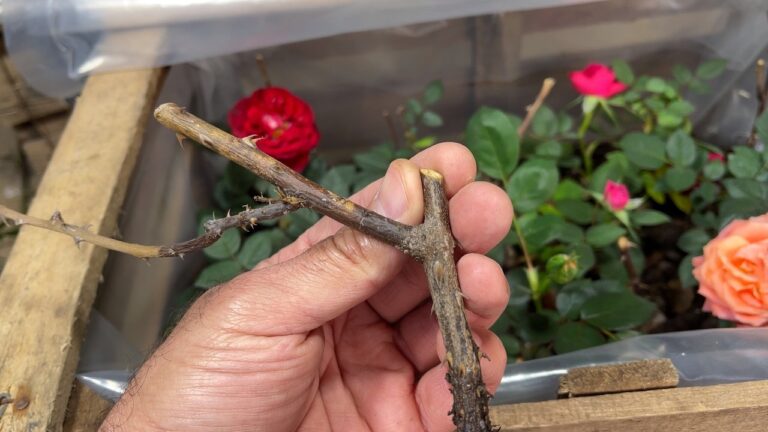
- Stem cuttings: These are the most common and involve cutting a piece of stem from a healthy rose plant.
- Leaf cuttings: Less commonly used, these involve rooting leaves from certain types of roses.
- Root cuttings: These require digging up sections of the root system but are not as straightforward.
Understanding the Best Timing
The timing for taking cuttings greatly influences their successful rooting. Late spring or early summer, when the plants are actively growing, is generally the best time.
Best Materials for Rooting
Choosing the right materials for your propagation process can significantly affect the success of your rose cuttings.
Essential Tools
Gather the following tools:
- Sharp scissors or pruning shears: Ensure they are clean to prevent any infection.
- Potting soil: A well-draining mix is crucial.
- Containers: Use small pots or trays for your cuttings.
Rooting Hormone
While optional, using a rooting hormone can boost the chances of successful rooting. These come in powdered or gel forms and contain hormones that stimulate root growth.
Step-by-Step Rooting Guide
Following a structured process will help you navigate the propagation of your rose cuttings efficiently.
1. Take Your Cuttings
Choose healthy stems. Cut sections about 6 inches long, ensuring each has at least two or three leaf nodes. Make a cut just below a node.
2. Prepare the Cuttings
Remove the lower leaves, leaving only a few at the top. If you’re using rooting hormone, dip the cut end into the powder or gel.
3. Plant the Cuttings
- Fill your container with potting soil, leaving some space at the top.
- Make small holes in the soil using a pencil or stick for each cutting.
- Insert the cuttings into the holes and gently pack the soil around them.
- Water lightly to moisten the soil without over-saturating it.
4. Create a Humid Environment
Cover the container with a plastic bag or a clear lid to maintain humidity. Make sure to prop it open slightly to allow for air circulation.
5. Monitor and Care
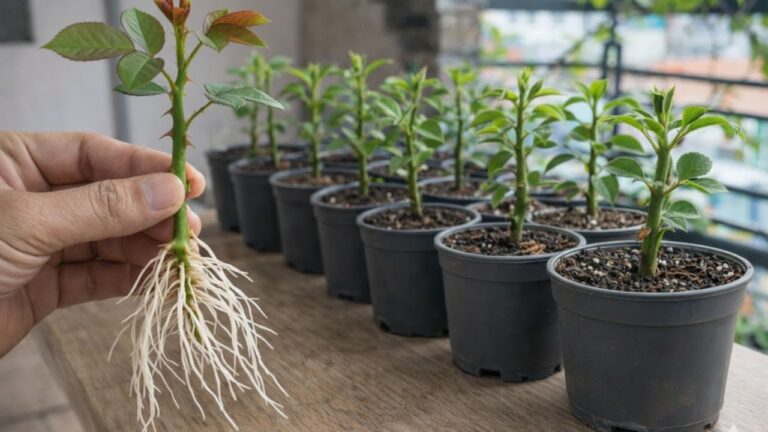
Keep the soil moist but not soggy. After a few weeks, check for root growth by gently tugging on the cuttings.
Common Mistakes to Avoid
Avoiding common pitfalls can enhance your success rate when rooting rose cuttings.
1. Using Unhealthy Cuttings
Always choose healthy stems free from disease or damage.
2. Incorrect Timing
Taking cuttings at the wrong time can significantly impair their chances of rooting.
3. Overwatering
Too much water can lead to rotting. Always ensure a well-draining medium.
4. Neglecting the Humidity
Cuttings need a humid environment to thrive. Don’t forget to cover them appropriately.
5. Lack of Patience
Rooting takes time. Don’t rush the process and check your cuttings too frequently.
FAQ
How long does it take for rose cuttings to root?
Typically, rose cuttings take about 2 to 3 weeks to develop roots, depending on conditions.
Should I keep my cuttings in direct sunlight?
Indirect light is best for cuttings until they are established. Too much direct sunlight can dry them out.
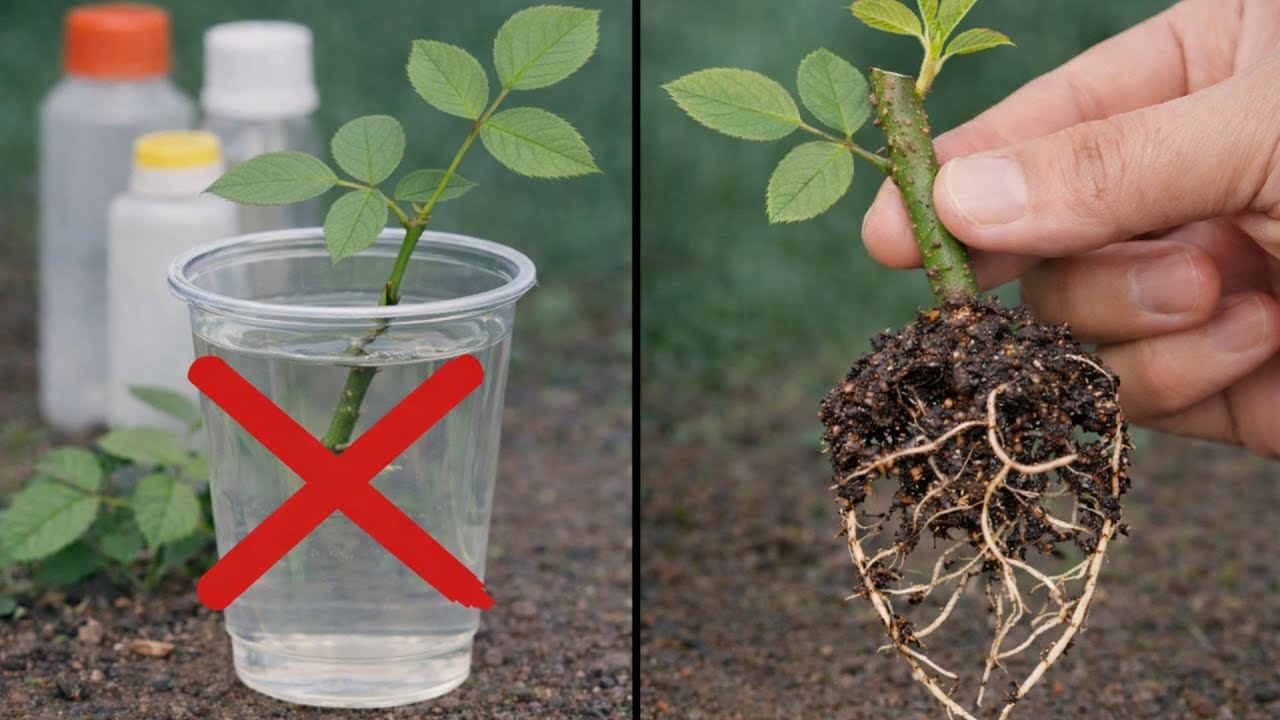
Can I root rose cuttings in water?
While it’s possible, rooting in soil usually offers better results for most rose types.
Conclusion
Successfully rooting your rose cuttings requires the right approach and a little patience. By following these tips, you can enjoy a garden filled with beautiful roses. What types of roses are you hoping to propagate in your garden?