The Case Against Crop Rotation for Home Gardeners
The Case Against Crop Rotation for Home Gardeners
Crop rotation is widely recommended as a gardening practice, but does it truly benefit home gardeners? While the concept aims to minimize pests, prevent diseases, and replenish soil nutrients, many of us might find it unnecessary and even cumbersome. Let’s dive into the origins of crop rotation and uncover why it may not be the best strategy for your home garden.
Understanding Crop Rotation
Crop rotation involves changing the types of vegetables planted in a specific garden section each year. This method is believed to enhance soil fertility and combat pests and diseases. In commercial farming, monoculture—growing the same crop year after year—can lead to soil depletion and increased pest populations. Crop rotation disrupts these cycles, allowing soil to recover and maintain health. However, this practice hasn’t always been suited for home gardeners.
Why I Stopped Rotating My Crops
Year after year, planning my garden became overwhelming. I found myself tangled in the logistics of crop placement—how do I rotate species while maximizing my limited space? My father, a devoted gardener, often stressed the importance of crop rotation, but his explanations were vague and followed common wisdom. This prompted me to dig deeper into the practice and its origins.
The Origins of Crop Rotation
- As early as 6000 BC, farmers discovered that alternating between legumes and grains improved soil and harvests.
- The four-field rotation system, developed in Belgium in the 1600s, increased productivity on a larger scale.
While crop rotation has a long history in large-scale farming, it was never intended for small vegetable patches. It’s crucial to recognize that this advice stems primarily from agricultural practices on extensive farmland, not the compact spaces of home gardens.
The Shift to Home Gardens
During and after World War II, vegetable gardening surged with the self-sufficiency movement and Victory Gardens. Consequently, agriculture advice was handed down to home gardeners, often without relevant research adapted for smaller scales. By the 1940s and 50s, crop rotation began appearing in various gardening literature, promoting the idea that strategies for large-scale farming would be equally beneficial for small gardens.
Why Crop Rotation Doesn’t Fit Home Gardening
Monocropping vs. Diverse Planting
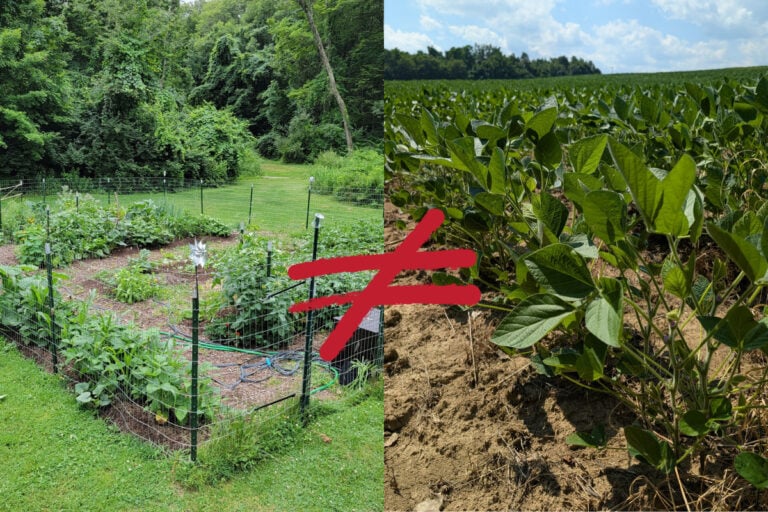
Home gardens differ significantly from large fields. We typically cultivate various vegetables within just a few hundred square feet, creating a diverse planting rather than monocropping.
Replacing Nutrients
Most home gardeners are diligent about replenishing nutrients, often having fertilizer and compost readily available. In fact, it’s more common for gardeners to over-fertilize than struggle with nutrient depletion.
Pest and Disease Management
Despite the common belief that rotating crops can manage pests, it often proves ineffective in small gardens. Pests don’t shy away from a few feet of distance, and diseases can travel through spores and soil quite easily. Simply put, rotating vegetables won’t shelter your plants from these threats.
Better Strategies for Home Gardeners
Instead of crop rotation, here are more effective methods to maintain a healthy garden:
- Get Your Soil Tested: Determine nutrient levels, pH, and potential pathogens.
- Inspect Your Garden Regularly: Weekly assessments help you catch early signs of pests or diseases.
- Dispose of Diseased Plants: Remove any infected plant materials to prevent the spread, disposing of them in the trash.
- Manage Pests Naturally: Encourage beneficial insects to control pest populations.
- Add Organic Matter: Regularly incorporate compost or leaf mold to enrich your soil.
Conclusion
As home gardeners, we often engage in practices that naturally enhance soil health, making crop rotation somewhat unnecessary for us. By focusing on sustainable methods like soil testing, pest management, and enriching our soil, we can cultivate a thriving garden without the pressures of crop rotation. Embrace what works best for your unique gardening space!