Preserve 7 Fresh Herbs for Months: Chef’s Secrets You Need to Know!
Preserve Fresh Herbs for Months: Essential Techniques You Need to Know
- Introduction
- Understanding Herb Preservation
- Methods for Preserving Herbs
- Tips for Using Preserved Herbs
- Common Mistakes to Avoid
- FAQ
- Conclusion
Introduction
Has your herb garden ever overflowed with fresh basil, parsley, or mint, leaving you wondering how to make the most of it all? Perhaps you’ve bought a bundle of herbs from the market, only to watch them wilt in your fridge within days. The good news is that there are effective ways to preserve these herbs so you can enjoy their flavors long after harvest. Exploring these techniques will ensure you have fresh herbs on hand whenever you need them, enhancing your culinary creations. Let’s dive into the essential methods of preservation to keep those herbaceous delights at your fingertips!
Understanding Herb Preservation
Preserving herbs is a straightforward way to extend their shelf life and minimize waste. By capturing the flavor of your herbs at their peak freshness, you can enhance a variety of dishes. Here are some insights into why and how preserving herbs can enrich your cooking experience.
Benefits of Preserving Herbs
- Enrich your meals with concentrated flavors.
- Reduce food waste and save money.
- Prepare for seasonal cooking beyond the harvest.
Choosing the Right Herbs for Preservation
Not all herbs are equally suited for preservation. The best candidates are those with a strong flavor profile, such as:
- Basil
- Thyme
- Rosemary
These herbs maintain their zest through the preservation process, making them perfect for long-term storage.
Methods for Preserving Herbs
There are several effective methods to safeguard your beloved herbs. Each method offers unique flavors and uses, accommodating different culinary needs.
1. Freezing Fresh Herbs
Freezing is one of the simplest ways to preserve herbs. It locks in their freshness without any complex preparation.
- Wash your herbs thoroughly to remove any dirt.
- Chop the herbs to your desired size.
- Place the chopped herbs in ice cube trays and fill with water or olive oil.
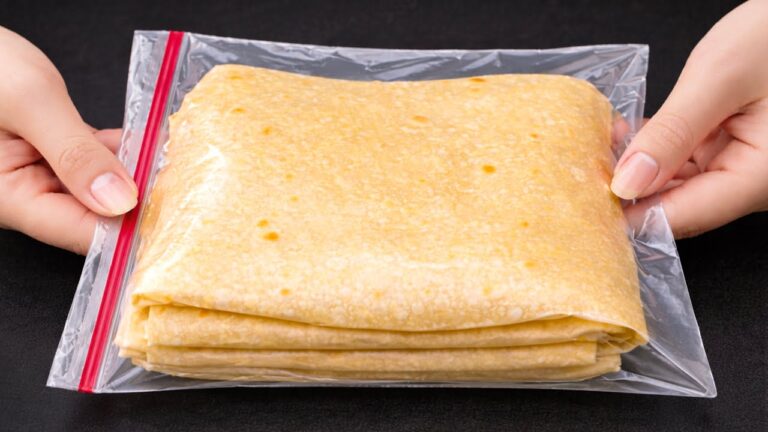
- Freeze until solid, then transfer to a zip-lock bag.
This method allows you to use only what you need later. A splash of basil-infused oil can invigorate your pasta dishes effortlessly.
2. Drying Herbs
Drying herbs is another effective technique. Dried herbs are convenient and can enhance your meals for months. Here’s how to do it:
- Gather your herbs in small bundles.
- Hang them upside down in a warm, dry area.
- Store the dried herbs in airtight containers away from light.
While drying may alter the texture, the flavors remain potent, perfect for seasoning your dishes.
3. Herb Oil and Vinegar Infusions
Creating infused oils or vinegars is an elegant way to preserve herbs while adding depth to your cooking.
- Combine fresh herbs with oil or vinegar in a clean jar.
- Seal the jar and let it sit in a cool, dark place for a few weeks.
This method not only enhances flavor but also adds a beautiful touch to your kitchen decor. Infused oils can be drizzled on salads or used for cooking to add a burst of flavor.
Tips for Using Preserved Herbs
Using preserved herbs can elevate your dishes, but there are nuances to consider for optimal results.
Storage Tips
- Keep frozen herbs in labeled bags to easily identify them.
- Store dried herbs in a dark, cool place to maintain flavor.
Cooking with Preserved Herbs
When using frozen herbs, there’s no need to thaw them; simply add them directly to your dishes. For dried herbs, remember that they are more concentrated, so use less than you would with fresh herbs.
Common Mistakes to Avoid
While preserving herbs seems straightforward, there are common missteps to watch out for that can lead to disappointment.
1. Not Washing Herbs Properly
Thoroughly cleaning herbs before preservation is important. Dirt and chemicals can affect their longevity and flavor.
2. Overcrowding Freezing Containers
Avoid pressing too many herbs into your freezing containers, as this can lead to uneven freezing and spoilage.
3. Using Expired Herbs
Ensure your herbs are fresh before preservation. Using wilted or expired herbs will diminish the quality of your preserved product.
FAQ
Can all herbs be frozen?
Most herbs freeze well, but delicate herbs like cilantro may not retain their texture. Leafy herbs like basil and parsley are excellent candidates for freezing.
How long do preserved herbs last?
Frozen herbs can last up to six months, while dried herbs should maintain their potency for about a year if stored properly.
What is the best way to chop herbs for freezing?
Chop herbs to your preferred size before freezing. Finely chopped herbs mix well with oils and in recipes, making them easier to use later.
Conclusion
Understanding how to preserve fresh herbs can greatly enhance your cooking, ensuring you have these flavorful ingredients at your fingertips year-round. Have you tried preserving herbs before, or are you eager to give it a shot? Share your experiences or questions in the comments below!