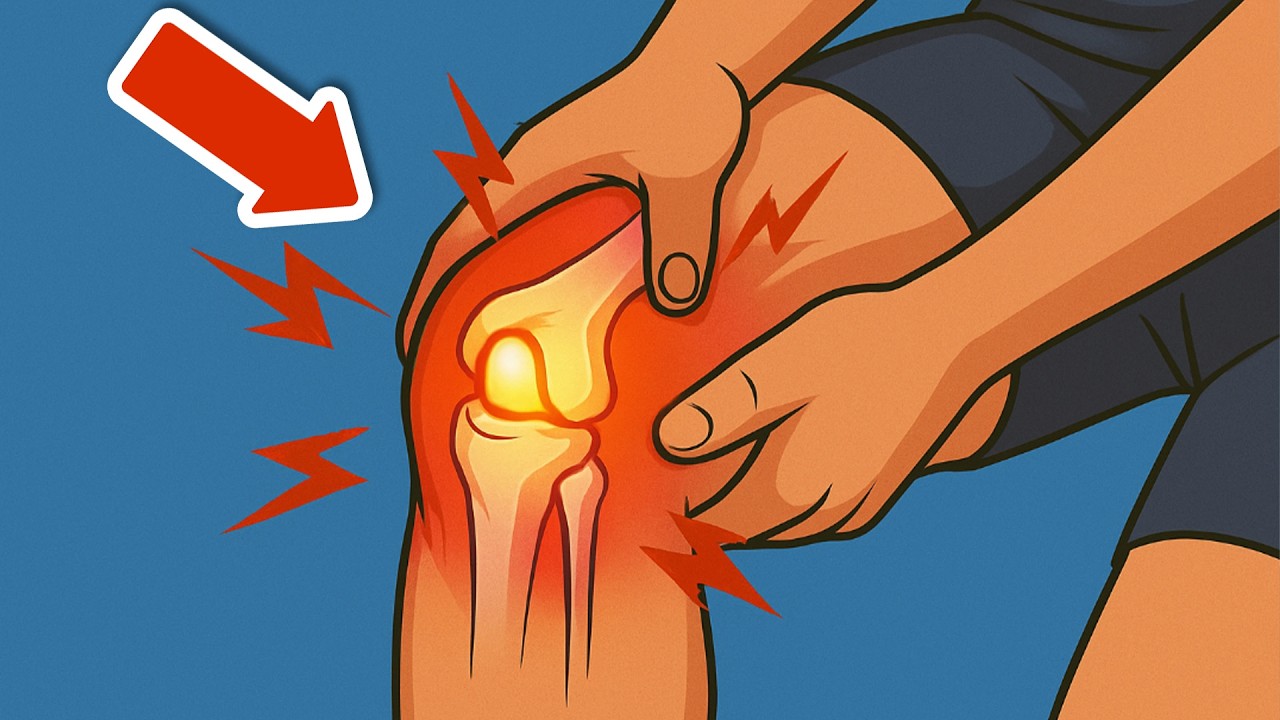
Discover 5 Fast Ways to Fix Your Knee Joints Pain-Free and Feel Amazing!
5 Effective Natural Remedies for Knee Joint Pain Relief
- Introduction
- Understanding Knee Pain
- Natural Remedies for Knee Pain
- Common Mistakes to Avoid
- FAQ
- Conclusion
Introduction
You’ve probably experienced that nagging sensation in your knees while trying to engage in your favorite activities. Whether it’s discomfort during a walk in the garden or pain while climbing stairs, knee pain can significantly impact your daily life. Many people are unaware of the options available that can help alleviate this discomfort naturally. As you read on, you’ll discover practical methods to help soothe your knee joints and reclaim your mobility.
Understanding Knee Pain
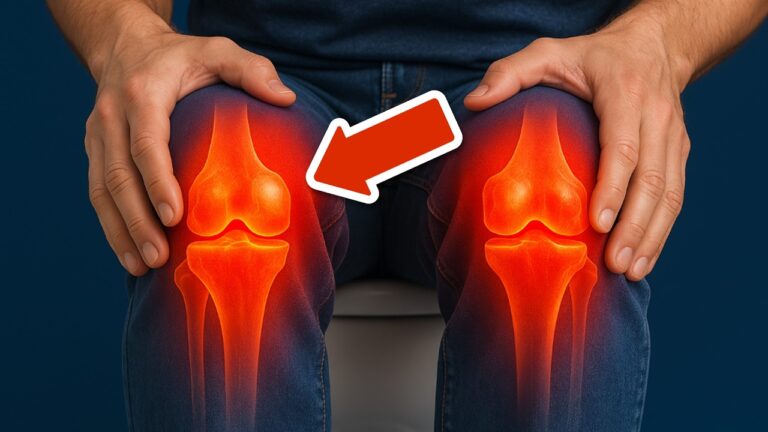
Knee pain can stem from various causes, and understanding these can help you in finding effective solutions. Overuse, injuries, arthritis, or even weight gain can contribute to discomfort. Let’s explore a few key factors.
Common Causes of Knee Pain
- Overuse: Extended periods of activity can lead to stress on the joints.
- Injuries: Sprains or tears can cause sudden, sharp pain.
- Arthritis: Inflammation from arthritis can manifest as chronic pain.
Recognizing Symptoms
Identifying the symptoms can guide you toward effective remedies. Look for:
- Swelling: Inflammation around the joint area.
- Creaking: A grinding sensation during movement.
- Stiffness: Difficulty bending or straightening the knee.
Natural Remedies for Knee Pain
Exploring natural remedies can provide you with effective options for addressing knee pain without relying on medications. Here are five remedies that may help.
1. Apply Warm and Cold Compresses
Alternating between warm and cold treatments can significantly reduce inflammation and stiffness. Here’s how:
- Apply a cold pack: Place it on your knee for about 15 minutes to reduce swelling.
- Switch to a warm compress: Use a heating pad for another 15 minutes to promote blood flow.
2. Incorporate Anti-Inflammatory Foods
Your diet plays a significant role in managing inflammation. Consider adding:
- Turmeric: Known for its anti-inflammatory properties.
- Ginger: Helps reduce swelling and pain.
- Fatty fish: Rich in Omega-3 fatty acids, which may help lessen inflammation.
3. Practice Gentle Stretching and Strengthening Exercises
Maintaining flexibility and strength can alleviate knee pain. Here are a few suggested movements:
- Hamstring stretches: Helps in maintaining flexibility.
- Quadricep strengthening: Supports knee stability.
- Low-impact activities: Try swimming or cycling to avoid additional stress on the knees.
4. Utilize Natural Supplements
Consider incorporating supplements known for joint pain relief:
- Glucosamine: May support cartilage health.
- Chondroitin: Often helps in reducing symptoms of osteoarthritis.
- Bromelain: An enzyme found in pineapples that can reduce swelling.
5. Ensure Adequate Hydration
Staying well-hydrated can aid in maintaining joint lubrication. Aim for:
- 8-10 glasses of water daily: This helps keep your cartilage healthy.
- Add electrolytes: To your hydration routine, especially if active.
Common Mistakes to Avoid
When addressing knee pain, several common mistakes can hinder your progress. Being aware of these will enhance your healing journey.
1. Ignoring Severe Pain
Don’t overlook persistent or severe pain. Consult a healthcare professional if the pain continues.
2. Relying Solely on Painkillers
While they can provide temporary relief, relying solely on medications won’t tackle the underlying issues.
3. Skipping Warm-Up Exercises
Jumping into activities without adequately warming up can exacerbate knee issues. Always include a warm-up session.
4. Neglecting Weight Management
Excess weight puts additional stress on your knees. Aiming for a balanced diet and regular exercise can significantly benefit your joints.
5. Disregarding Footwear
Improper shoes can lead to alignment issues and increased knee pain. Choose supportive footwear to help alleviate stress.
FAQ
What are some signs I should see a doctor for knee pain?
If you experience severe pain, swelling, or inability to move your knee, it’s advisable to consult a healthcare professional.
Can I prevent knee pain?
Yes, maintaining a healthy weight, staying active, and stretching can significantly reduce the risk of developing knee pain.
How long should I use ice for knee pain relief?
It’s generally recommended to apply ice for 15-20 minutes every few hours during the first 48 hours of experiencing pain.
Conclusion
Embracing these natural remedies for knee joint pain relief can significantly improve your quality of life. By incorporating dietary changes, gentle exercises, and proper hydration, you can help alleviate discomfort and enhance your mobility. What natural remedies have you found helpful in managing knee pain? Feel free to share your experiences in the comments.