Boost Tomato & Cucumber Yields with 5 Natural Fertilizers Gardeners Swear By!
Boost Your Tomato and Cucumber Yields with 5 Natural Fertilizers
- Introduction
- 5 Natural Fertilizers for Your Garden
- Application Tips for Maximum Yield
- Common Mistakes to Avoid
- FAQ
- Conclusion
Introduction
Caring for your tomato and cucumber plants can often feel overwhelming, especially when you’re striving for a bountiful harvest. Maybe you’ve noticed your plants struggling despite your best efforts with regular watering and sunlight. It can be frustrating to see little growth or lackluster yields when you want to enjoy those fresh fruits in your salads or sandwiches. However, the secret to vibrant, productive plants may lie in the type of nutrients you provide. Read on for some effective natural fertilizers that can enhance your gardening success.
5 Natural Fertilizers for Your Garden
Using natural fertilizers can noticeably boost your tomato and cucumber yields. Here are five options that gardeners swear by:
1. Compost
Compost enriches the soil, improves its structure, and helps retain moisture. It also promotes beneficial microbes, which are essential for plant health.
- Gather kitchen scraps (fruits, vegetables, eggshells) and yard waste (leaves, grass clippings).
- Add these materials to a compost bin. Keep the mix balanced with green (nitrogen-rich) and brown (carbon-rich) materials.
- Turn the compost regularly to aerate it and speed up decomposition.
- Use the mature compost by adding it around the base of your plants every few weeks during the growing season.
2. Coffee Grounds
Coffee grounds are rich in nitrogen and can help stimulate plant growth while improving soil structure.
- Spread used coffee grounds on the soil around your plants or mix them into your compost.
- Water the area lightly to help the nutrients seep into the soil.
3. Crushed Eggshells
Eggshells provide calcium, which is vital for preventing blossom end rot in tomatoes and cucumbers.
- Rinse eggshells to remove any residue, then dry them out.
- Crush the shells into small pieces and then sprinkle them around the base of your plants.
4. Banana Peels
Rich in potassium, banana peels can encourage flowering and fruit production in your garden.
- Chop banana peels into small pieces.
- Bury them in the soil near your plants or add them to your compost pile.
5. Fish Emulsion
Fish emulsion is a liquid fertilizer full of nutrients that can accelerate growth and increase yields.
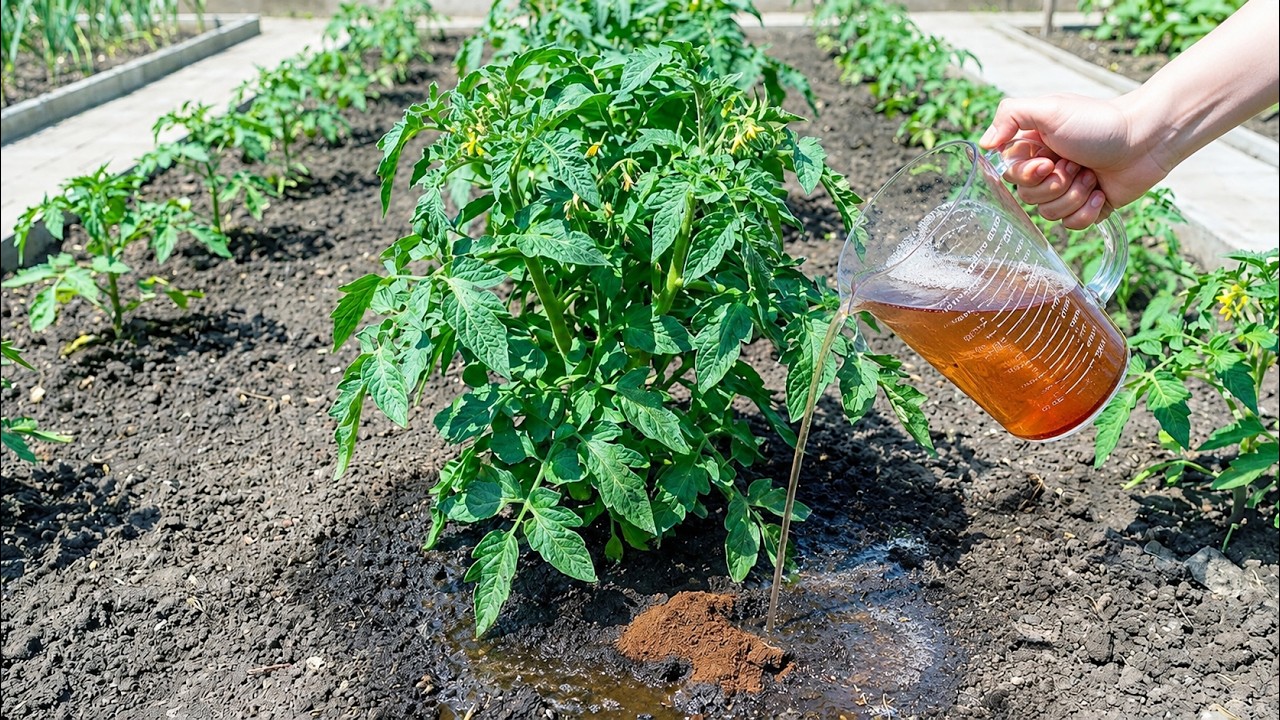
- Dilute fish emulsion according to the manufacturer’s instructions.
- Water your plants with the solution every few weeks during their growing season for a nutrient boost.
Application Tips for Maximum Yield
To get the most out of your natural fertilizers, consider the following tips:
Timing is Key
- Apply fertilizers in the early morning or late evening to avoid evaporation and ensure better absorption.
- Right before rain can also be a strategic time for application.
Know Your Soil
Testing your soil can help determine which nutrients are lacking and tailor your fertilizer use accordingly. A simple home test kit can guide you in understanding the pH and nutrient levels.
Rotate Your Crops
Practicing crop rotation can prevent nutrient depletion and encourage healthier plant growth. It’s also a good way to manage pests and diseases.
Common Mistakes to Avoid
- Over-fertilizing: Applying too much can harm your plants or create an imbalance in the soil.
- Not Diluting: Using fish emulsion or liquid fertilizers too concentrated can burn plant roots.
- Ignoring Soil Health: Fertilizers are helpful, but healthy soil structure is crucial for plant health.
FAQ
What is the best natural fertilizer for tomatoes?
Compost is often considered one of the best natural fertilizers for tomatoes, as it provides a well-rounded range of nutrients and improves soil health.
How often should I fertilize my cucumbers?
Cucumbers typically benefit from fertilizing every two to three weeks during their growing season, especially if you’re using natural fertilizers like compost or fish emulsion.
Can I use coffee grounds for all my plants?
While coffee grounds are excellent for many plants, they should be used in moderation and not ideal for plants that prefer alkaline soil.
Conclusion
Incorporating these natural fertilizers into your gardening routine can help you achieve a robust tomato and cucumber harvest. By following the application tips and avoiding common mistakes, you can nurture your plants and boost your yields. What natural fertilizers have you tried in your garden? Share your experiences in the comments!