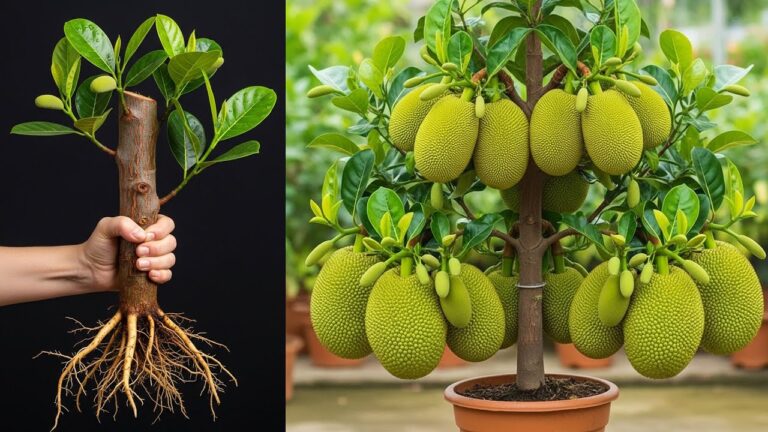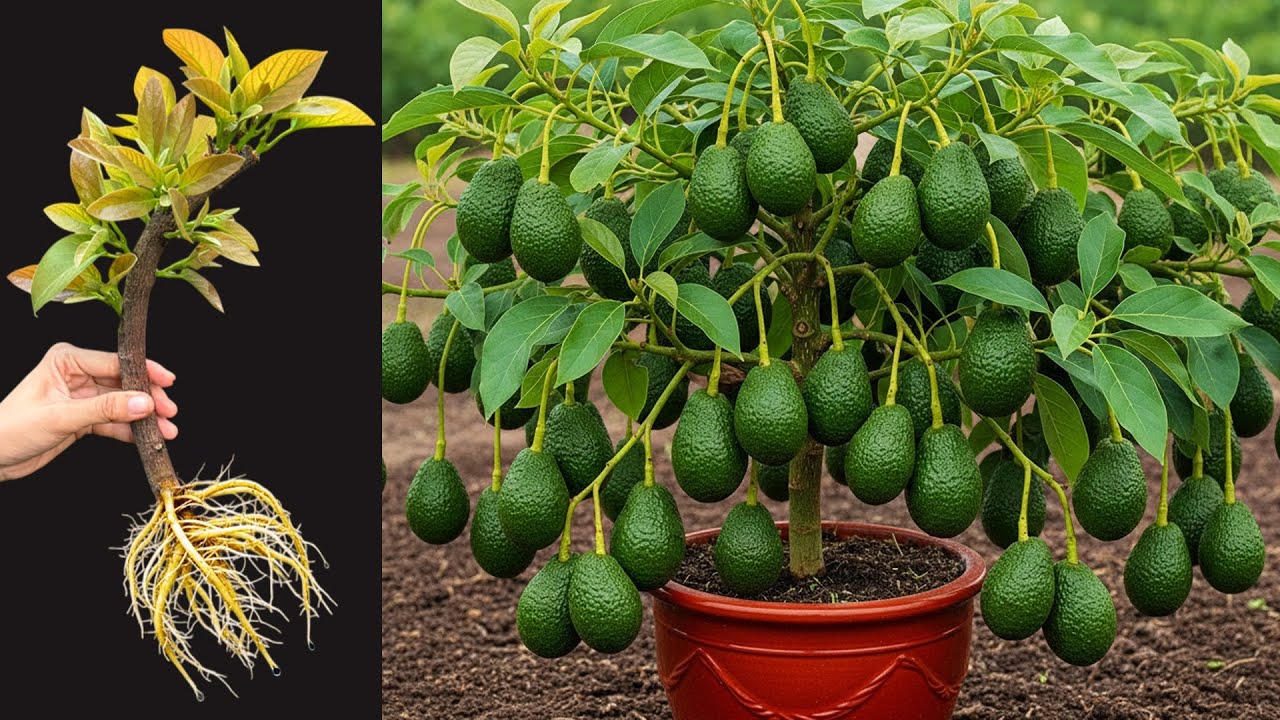
10 Steps to Successfully Propagate Avocado, Sweetsop, and Lime Trees from Cuttings
10 Steps to Successfully Propagate Avocado, Sweetsop, and Lime Trees from Cuttings
Introduction
Picture a sunny afternoon, and you’re standing in your garden, admiring the glossy leaves of your avocado, sweetsop, or lime trees. You may wish to multiply your beloved trees but wonder where to begin. Propagating these delightful plants from cuttings can feel daunting, especially if you’re new to gardening. However, with a little guidance, you can successfully create new trees, expanding your green space and enjoying delicious fruits for years to come. Read on to explore the steps to effective propagation.
Required Materials
Before you start your propagation journey, ensure you have the following materials on hand:
- Sharp shears or pruning scissors
- Rooting hormone (optional, but beneficial)
- Suitable pots (preferably with drainage holes)
- Well-draining potting soil
- Plastic bags or a propagation dome
- Water
Step-by-Step Guide
Now that you have gathered your materials, it’s time to step into the art of propagation. Follow these steps for successful cuttings:
1. Select and Prepare the Cuttings
- Choose healthy stems: Look for vigorous, disease-free branches from the parent tree. For avocados, select cuttings that are at least 6 inches long. Sweetsop and lime cuttings should be around 4-6 inches.
- Make a clean cut: Using your sharp shears, cut below a node (the small bump where leaves grow) at a 45-degree angle. This angle increases the surface area for root growth.
2. Use Rooting Hormone
Applying rooting hormone can improve your chances of success:
- Dip the cut end: Lightly coat the cut end of your stem in rooting hormone if you’re using it.
- Tap off excess: Gently tap the stem to remove any excess powder, ensuring a clean application.
3. Plant the Cuttings
- Prepare pots: Fill your pots with well-draining potting soil, leaving about an inch from the top.
- Create holes: Make a small hole in the soil using your finger or a pencil to avoid damaging the cutting.
- Insert cuttings: Place the cut end of the cutting into the hole and gently pack the soil around it.
4. Water and Cover
Now it’s time to give your new cuttings the attention they need:
- Water thoroughly: Moisten the soil until water drips from the bottom. This helps settle the soil around the cutting.
- Cover with plastic: To create a humid environment, cover the pots with a plastic bag or a propagation dome. Make sure to open it occasionally for ventilation.
5. Monitor Growth
During the rooting period, keep an eye on your cuttings:
- Place in bright, indirect light: Avoid direct sunlight, which can scorch the cuttings. A bright windowsill is ideal.
- Check moisture regularly: Keep the soil lightly moist but not soggy. Overwatering can lead to rot.
Common Mistakes to Avoid
Even seasoned gardeners can stumble when propagating. Here are some common mistakes to watch out for:
- Using old or unhealthy cuttings: Always select vibrant, healthy stems for the best success.
- Neglecting humidity: Failing to maintain a humid environment can hinder root development.
- Ignoring sunlight needs: Direct sunlight can damage your cuttings; ensure they’re in bright, indirect light.
- Overwatering: Balance is key; keep the soil moist without making it soggy.
FAQ
1. How long does it take for cuttings to root?
Typically, avocado, sweetsop, and lime cuttings take about 4 to 8 weeks to develop roots. Factors like temperature and humidity can influence this timeframe.
2. Can I propagate these trees in water?
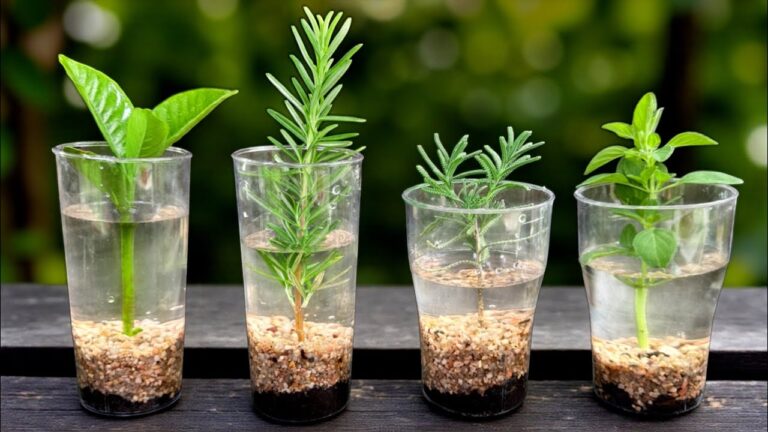
Yes, you can use water for propagation, but it often leads to less successful outcomes than soil. Ensure the cuttings remain submerged but not the leaves.
3. What should I do after the cuttings root?
Once rooted, gradually acclimatize the new plants to outdoor conditions by increasing their exposure to sunlight. Then, you can transfer them to larger pots or your garden.
Conclusion
Successfully propagating avocado, sweetsop, and lime trees from cuttings can enrich your gardening experience and provide delicious rewards. By carefully following these steps and avoiding common pitfalls, you’ll be well on your way to growing new trees. Have you tried propagating any plants before? Share your experiences in the comments!