Accelerate Rooting: 5 Simple Water Cultivation Techniques You Must Try!
Accelerate Rooting: 5 Simple Water Cultivation Techniques You Must Try
- Introduction
- Technique 1: Jar Method
- Technique 2: Hydroponic System
- Technique 3: Cup Method
- Common Mistakes to Avoid
- FAQ
- Conclusion
Introduction
Starting new plants can be an exciting journey, especially when you want to propagate your favorite herbs or houseplants. However, you may find that roots take longer to develop than you anticipated, leaving you wondering how to speed up the process. By using effective water cultivation techniques, you can help those roots flourish. Keep reading to discover methods that can transform your propagation experience and ensure healthy, thriving plants.
Technique 1: Jar Method
The jar method is a straightforward and rewarding way to cultivate roots in water. It requires minimal materials, making it a favorite for many plant enthusiasts.
Materials Needed
- Glass jar or clear container
- Water (preferably distilled)
- Healthy cuttings from your chosen plant
Steps to Follow
- Choose a healthy cutting, ensuring it has at least one node.
- Fill your jar with water, leaving a few inches of space at the top.
- Submerge the node in water and place the jar in a bright, indirect light spot.
- Change the water every few days to prevent stagnation and encourage growth.
Tips for Success
Ensure the cutting does not touch the bottom of the jar, as this can lead to rot. You might want to cover the jar with clear plastic to maintain humidity when dealing with more delicate plants.
Technique 2: Hydroponic System
If you’re looking for a slightly more advanced method, hydroponics can be a fantastic way to promote rapid rooting. This technique uses nutrient-rich water to support plant growth.
Setting Up Your Hydroponic System
- Hydroponic container or system
- Nutrient solution
- Growing medium (optional)
Steps to Follow
- Mix the water with the nutrient solution according to the package instructions.
- Place the cuttings into the hydroponic system.
- Monitor the water levels and nutrient concentration regularly.
Benefits
This method encourages quicker growth and can sustain multiple plants at once. You also have greater control over nutrients and hydration, leading to healthier plants.
Technique 3: Cup Method
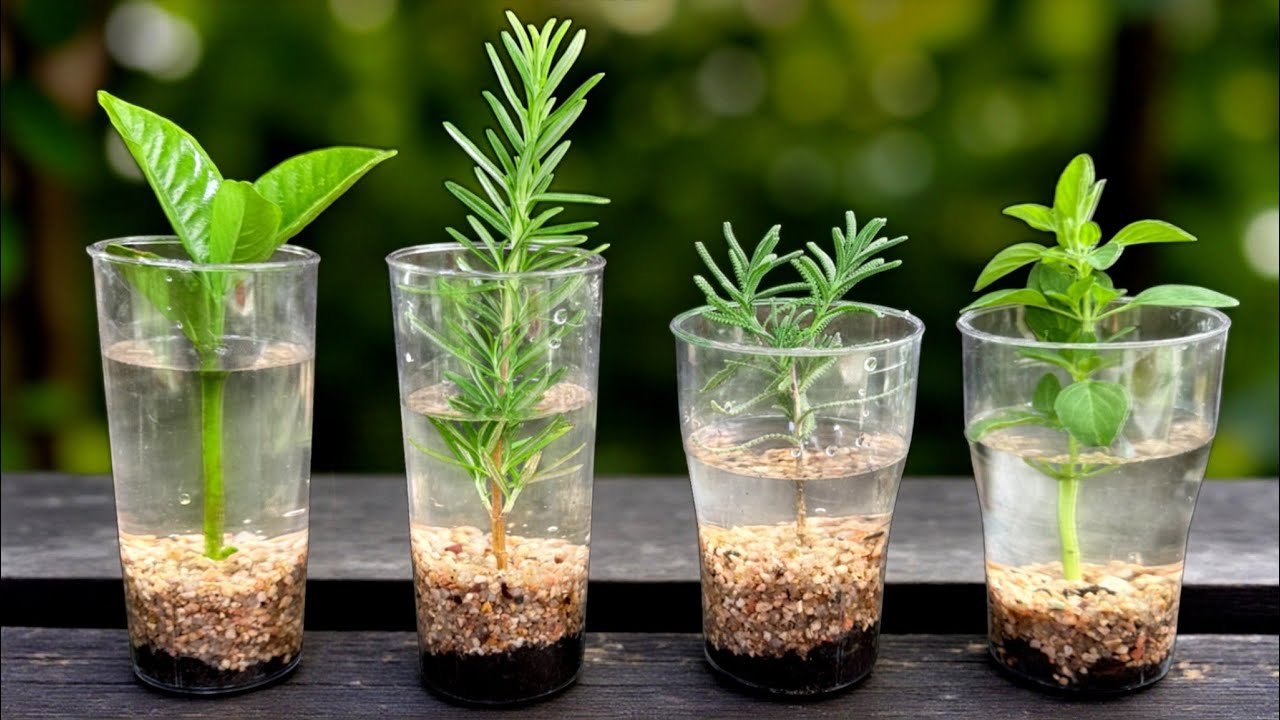
The cup method offers a simple way to propagate your plants using basic cups. This method is ideal for smaller cuttings and is easily manageable for beginners.
What You Need
- Clear plastic or glass cups
- Water
- Healthy plant cuttings
Steps to Follow
- Clip your plant cutting so it’s about 4 to 6 inches long.
- Pour water into the cup, filling it halfway.
- Place the cutting in the cup with the bottom submerged in water.
- Set the cups in a warm location with indirect sunlight.
Practical Tips
Consider using multiple cups for different types of cuttings to observe their rooting times. This also allows you to experiment with various plants and see what works best for you.
Common Mistakes to Avoid
- Using tap water filled with chlorine can harm root development.
- Overcrowding cuttings in one container can lead to competition for resources.
- Neglecting to change the water regularly can cause stagnation and deterioration of cutting health.
- Placing cuttings in direct sunlight can cause excessive heat, damaging the delicate roots.
- Not ensuring proper drainage can lead to mold or algae growth, hindering root success.
FAQ
What is the best water to use for propagation?
It’s generally best to use distilled or rainwater, as tap water can contain chemicals that inhibit root growth.
How long does it take for cuttings to root in water?
Rooting times can vary by plant type but usually range from a few days to several weeks.
Can I use this method for any type of plant?
Most plants can be propagated in water, but some may root better than others. Herbs and some houseplants are typically more successful.
Conclusion
Utilizing these simple water cultivation techniques can significantly speed up the rooting process for your favorite plants. It’s a rewarding way to expand your garden at home. Which method are you excited to try first? Share your thoughts in the comments!