Improve Garden Hygiene to Prevent Vegetable Disease Outbreaks
Improve Garden Hygiene to Prevent Vegetable Disease Outbreaks
Did you know that your gardening habits could be contributing to the spread of diseases in your garden? While you may take great care of your plants, there are some common mistakes we all make that can lead to problems. Understanding these silent offenders is essential for maintaining healthy soil and thriving gardens for years to come.
The Best of Intentions…
Sometimes, the issue isn’t how much effort you put into your plants, but rather the bad habits unnoticed. Many of the most common gardening mistakes are related to hygiene, which can be the key difference between a lush harvest and a fungal disaster.
Not Washing Your Garden Gloves
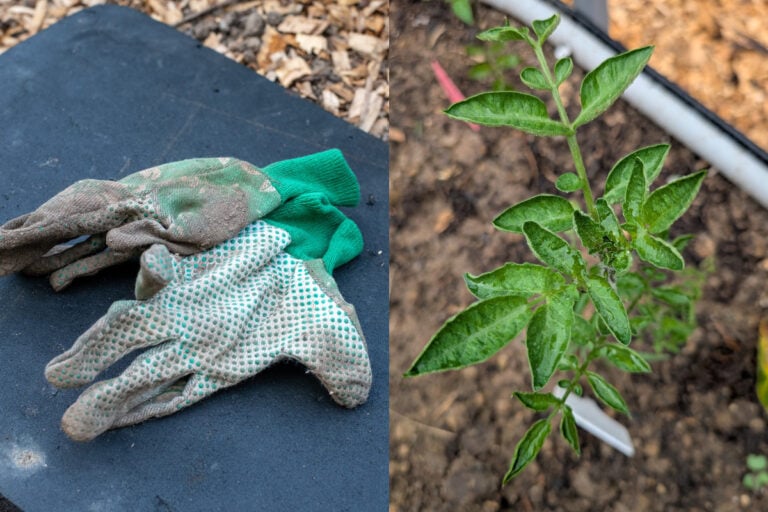
Those dirty garden gloves you toss aside are breeding grounds for problems. Regularly washing your gloves is essential during the gardening season. Fungal spores and bacteria can hitch a ride on those gloves and spread through your plants.
Even if you sanitize your shears, using the same gloves on every plant can lead to trouble. Wash them in hot water with regular detergent and hang them to dry in the sun. Ideally, wash them every couple of weeks, and change gloves if you’ve handled diseased material.
Consider investing in multiple pairs of cloth garden gloves that wash well and keep your hands cool. They come in various fun designs and won’t break the bank.
Using Unsanitized Garden Tools
Neglecting to clean your gardening tools is a major hygiene mistake. Every time you trim or prune, your tools may come into contact with sap and diseases. Regular sanitation of your pruners and trowels is crucial to avoid making them disease carriers.
Rather than just wiping them with a rag, sanitize your tools with rubbing alcohol, hydrogen peroxide, or a diluted bleach solution. It’s quick and effective! Keep rubbing alcohol handy in your gardening kit for easy use.
Going to the Party When You’re Sick
Just like that friend who insists on showing up sick, we sometimes ignore the signs of diseased plants. If you notice any damaged leaves or suspicious symptoms, act quickly! Use sanitized snips to remove damaged material; this will help the plant focus on growth and prevent the issue from spreading.
Don’t forget to sanitize your pruners and gloves while working. Taking these small steps can save your garden from larger problems down the line.
Composting Diseased Plant Material
While composting is beneficial, adding diseased plant matter is a common mistake that can backfire. Unless you can ensure your compost pile reaches high enough temperatures (130 to 160°F), pathogens will survive and be reintroduced to your garden. Instead, dispose of diseased materials in the trash.
Sleeping in Someone’s Dirty Sheets
When starting seedlings, do you clean your pots and trays from the previous season? If not, you’re allowing potential diseases to transfer to your new plants. Cleanliness is crucial!
To clean your containers, scrub them with warm soapy water, rinse, and then spray with a bleach solution to ensure they’re sanitized. Once dry, store them for next use.
Overcrowding
A crowded garden can lead to poor airflow and increased humidity, creating a perfect environment for fungal diseases. Give your plants enough space to breathe and grow by following proper spacing guidelines.
While it might be tempting to maximize every inch of your garden, maintaining space will lead to a healthier, more fruitful harvest.
Working in a Wet Garden
Finally, working in a wet garden can inadvertently spread diseases. Spores cling to damp clothing and can easily transfer to other plants. Wait until the area dries before proceeding to minimize this risk.
Conclusion
These habits don’t make you a bad gardener; they are often overlooked. Now that you’re aware of their impacts, you can take action to improve your garden hygiene. While healthy practices may not seem glamorous, they are vital for keeping your garden productive throughout the season. So, make it a point to wash your gloves, sanitize your tools, and be mindful of the conditions you’re working in. Your vegetables will thank you!