Red Flags in Raised Bed Soil: Time for a Fresh Start
Red Flags in Raised Bed Soil: Time for a Fresh Start
If you’re a raised bed gardener, you know they’re fantastic, especially when your yard is plagued by poor soil. But there comes a time when your once-thriving garden doesn’t produce as it used to. Let’s face it—raised bed soil has a life span, and it won’t last forever. Fortunately, you don’t have to completely empty your beds and start over. In this article, we’ll identify five important red flags that indicate your soil may be running low on vitality and how to restore it. With a few simple seasonal practices, you can maintain healthy soil for better yields all year long.
Red Flag #1: Significant Soil Level Drop
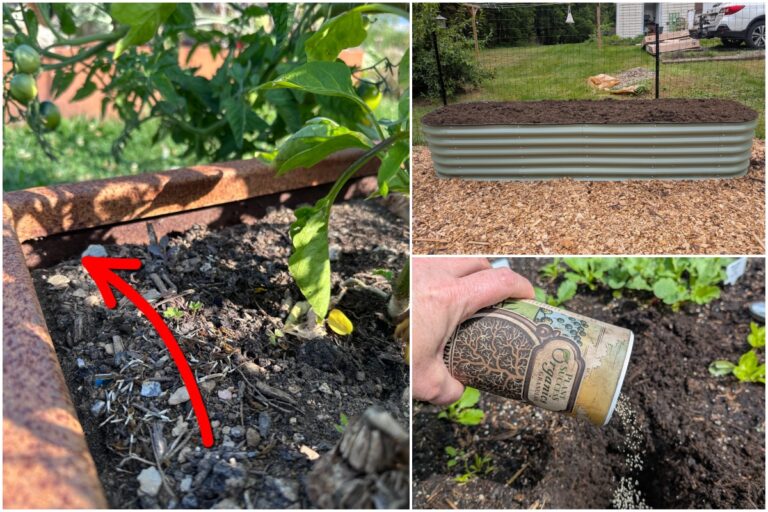
Do you remember when your raised beds were overflowing with soil? If they now sit only two-thirds or worse, half-full, it’s time for some attention. This is a major signal that your raised beds need care.
The Fix:
- Top up the bed with a high-quality mix of compost and fluffy soil—aim for a 50/50 blend of compost and topsoil or well-aged manure.
- Leaf mold is another excellent choice for adding organic matter.
- Check local garden centers for specially blended growing media.
Replacing lost soil and incorporating organic matter will enhance the moisture retention, drainage, and nutrient release in your raised beds. If the bed is extremely low, consider filling in stages. Water each new layer well to allow it to settle before adding more.
Red Flag #2: Water Pools or Drains Right Off
Does your soil seem to barely hold any moisture? This is often a sign that your soil structure has broken down, typically due to a lack of organic matter.
The Fix:
- Mix in organic materials like compost, leaf mold, and worm castings, which act like sponges to retain moisture.
- If the top layer of soil is hydrophobic, remove it before adding organic matter.
Red Flag #3: Stunted or Underperforming Plants
Despite your best watering and sunlight efforts, are your plants still failing to thrive? If your veggies and flowers appear stunted or pale, your soil might need a nutrient boost.
The Fix:
- Add 2-3 cubic feet of compost per 4’x8′ bed to enhance nutrient levels.
- Consider organic amendments based on specific plant needs, such as:
- Bone meal for phosphorus (2-4 cups/bed)
- Blood meal or alfalfa meal for nitrogen (1-2 cups/bed)
- Kelp meal for potassium and trace minerals (1 cup/bed)
- For precise nutrient levels, conduct a soil test.
Red Flag #4: Unexpected Weeds
If your raised bed has turned into a haven for weeds like chickweed or purslane, it’s time to take action. This indicates that your crops are struggling, allowing weeds to thrive.
The Fix:
- Remove all weeds.
- Top-dress with compost to restore lost nutrients.
- Add a thick (2-3”) layer of mulch to suppress further weed growth and retain moisture.
Red Flag #5: Recurring Disease or Pest Issues
Seeing the same pests or diseases year after year signals that your soil has become a breeding ground for these problems. It’s crucial to address this cycle.
The Fix:
- Clear out all debris and old roots from the soil.
- Solarize your soil by covering it with clear plastic for 4-6 weeks in the summer to kill off any lingering pathogens and pests.
- If issues persist, consider replacing the top 6” of soil with fresh compost and new soil.
Prevent Red Flags in Your Raised Beds
After refreshing your raised beds with compost, how can you keep them in prime condition moving forward? Remember to “call your MA”—Mulch & Amend.
Mulching
Mulching is vital for raised beds. It not only looks good but also suppresses weeds, retains moisture, and protects your plants during heat waves.
- Mulch helps maintain soil moisture, which keeps roots cool and healthy.
- Regular mulching automatically adds organic matter as it breaks down over time.
Amending
Your raised beds are a closed system, so nutrients must be replenished manually.
- Continue to add compost each season for a continuous supply of organic matter.
- Incorporate soil amendments like:
- Bone meal for phosphorus (2-4 cups/bed)
- Blood meal or alfalfa meal for nitrogen (1-2 cups/bed)
- Kelp meal for potassium and trace minerals (1 cup/bed)
- Use mycorrhizae each spring to foster a beneficial relationship between soil and plants.
Raised beds have made gardening accessible for many, but they require a bit of extra care each year. By addressing red flags promptly and following the “call your MA” approach, your raised bed soil will remain vibrant and continue to support healthy plants and bountiful harvests.