7 Secrets to Picking the Sweetest, Juiciest Watermelons This Summer!
7 Secrets to Picking the Sweetest, Juiciest Watermelons This Summer
- Introduction
- Understanding Watermelon Cultivation
- Choosing the Perfect Watermelon
- Common Mistakes When Picking Watermelons
- Watermelon Storage Tips
- FAQ
- Conclusion
Introduction
As summer approaches, you might find yourself walking through the local farmers’ market or grocery store, surrounded by excited families all searching for that perfect watermelon. If you’ve ever bought a watermelon only to find it bland or tasteless, you’re not alone. The quest for the sweetest, juiciest watermelon can often feel daunting. If you’re wondering how to make the right choice, keep reading for essential tips that will elevate your summer fruit game.
Understanding Watermelon Cultivation
To pick the best watermelons, it helps to understand a bit about how they are grown and what contributes to their sweetness.
1. Ideal Growing Conditions
Watermelons thrive in warm weather, and their flavor is heavily influenced by sunlight. Optimal growing conditions typically include:
- **Full sun exposure** for at least 6-8 hours a day
- A warm, well-draining soil
- Consistent moisture without waterlogging
2. Varieties to Consider
Familiarizing yourself with some of the best sweet watermelon varieties can guide your selection. Some popular options include:
- **Sugar Baby** – Small and sweet, perfect for smaller families.
- **Crimson Sweet** – A larger variety with bright red flesh.
- **Charleston Gray** – Known for its refreshing flavor and crisp texture.
Choosing the Perfect Watermelon
Now that you understand what makes a watermelon grow sweet, let’s explore some practical tips for finding the right one.
1. Look for Uniform Shape
A watermelon should ideally be symmetrical. Avoid any that are irregular in shape, as this can indicate uneven growth and potentially bland flavor.
2. Examine the Field Spot
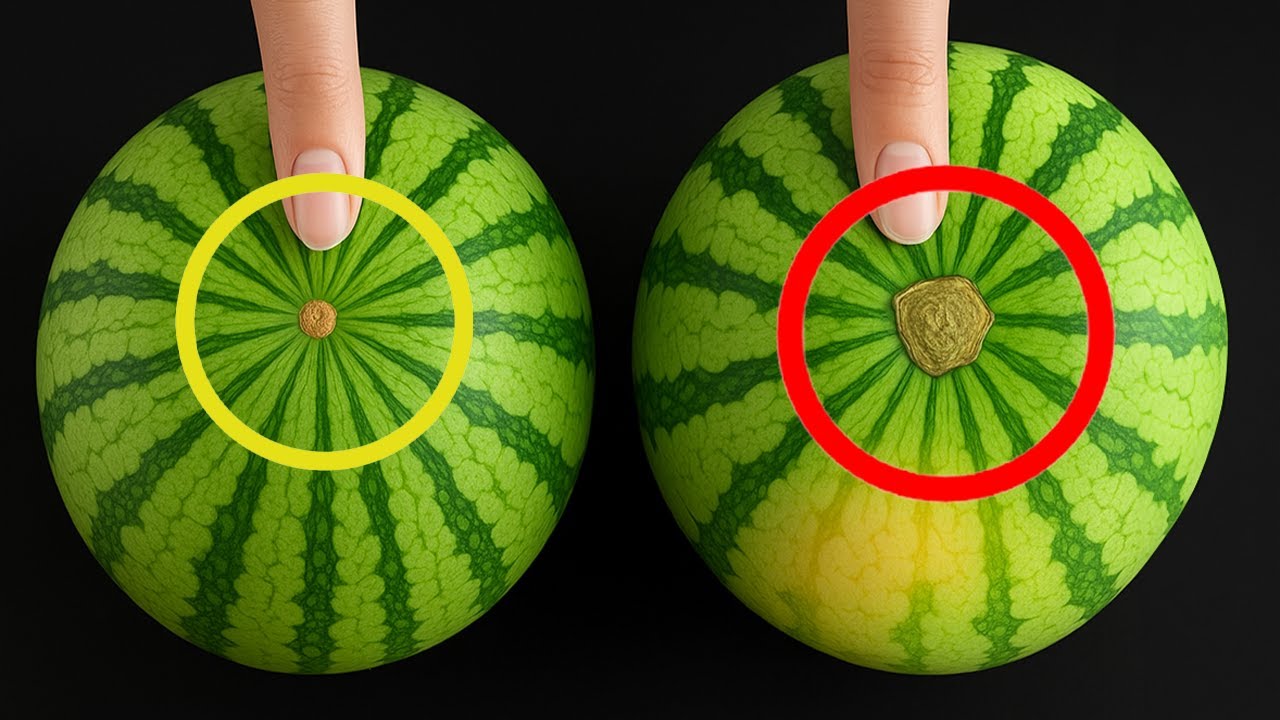
The spot where the watermelon rested on the ground is known as the field spot. A creamy yellow or light yellow field spot is a sign of ripeness. If it is white or green, the watermelon may have been picked too early.
3. Check the Weight
Pick up the watermelon; it should feel heavy in proportion to its size. A denser fruit typically has more water and is juicier. Consider:
- **Lift it while comparing to others** of similar size.
- **Trust your instinct** — the heaviest is often the juiciest.
4. Tap Test
Gently tap the watermelon; it should produce a deep sound rather than a dull one. A hollow sound often indicates ripeness and juiciness. What to listen for:
- A resonant sound suggests the fruit is full of water.
- A dull sound indicates it might be overripe or not ripe at all.
Common Mistakes When Picking Watermelons
Even seasoned shoppers can overlook important factors when choosing a watermelon. Here are a few mistakes to avoid:
1. Ignoring the Field Spot
Many people overlook the field spot entirely. It often serves as a reliable indicator of ripeness.
2. Relying Solely on Color
While color can matter, relying only on skin color can lead you astray, as some ripe watermelons may be lighter or darker than expected.
3. Neglecting to Feel for Firmness
A common mistake is failing to assess firmness. A soft spot can mean overripeness, while an overly hard watermelon may indicate it’s unripe.
Watermelon Storage Tips
Knowing how to store your watermelon helps maintain its flavor and texture. Here are a few tips:
1. Keep Whole Until Ready
It’s best to keep the watermelon whole until you’re ready to enjoy it. Once sliced, store it in the refrigerator in an airtight container.
2. Avoid Plastic Wrap
Using plastic wrap can trap moisture, leading to a mushy texture. Instead, a sealed container or beeswax wrap is preferable.
3. Consume Quickly
Once cut, aim to enjoy your watermelon within a few days for optimal freshness and taste.
FAQ
How can I tell if a watermelon is ripe? Look for a uniform shape, a creamy field spot, and a heavy weight for its size.
What is the best time to buy watermelon? Summer is generally the peak season for watermelon, when they are most likely to be sweet and plentiful.
Can I leave a cut watermelon out? It’s best to refrigerate cut watermelon to prevent spoilage and maintain its juiciness.
Conclusion
Selecting the best watermelon involves understanding what to look for and avoiding common pitfalls. By following these tips, you can ensure your summer is filled with the sweetest, juiciest watermelons. What strategies do you use when picking your summertime produce? I’d love to hear your tips in the comments!