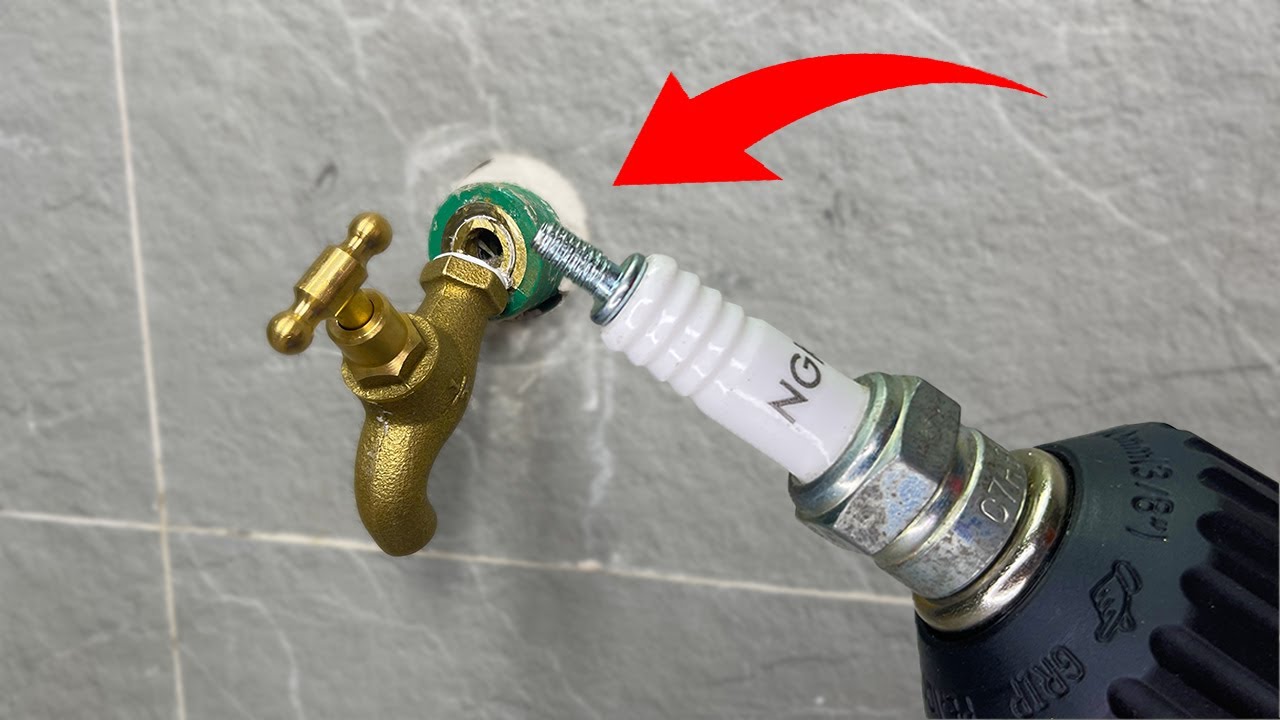
7 Plumbing Secrets That Make Pros Famous – Discover Their Tips Now!
7 Plumbing Secrets for Your Home Maintenance
- Introduction
- Plumbing Tips from the Pros
- Common Plumbing Mistakes
- Frequently Asked Questions
- Conclusion
Introduction
Have you ever found yourself dealing with an unexpected plumbing issue, like a leaky faucet or a stubborn drain? Such moments can not only be frustrating but often lead to costly repairs if not handled correctly. Identifying the right solutions without professional help can feel overwhelming. Yet, mastering a few plumbing secrets can empower you to tackle common issues head-on. Understanding some essential tips can make a significant difference in maintaining your home. Read on to discover insights that can simplify your plumbing tasks.
Plumbing Tips from the Pros
Gaining insights from seasoned professionals can arm you with practical strategies to handle various plumbing tasks. Let’s explore seven helpful plumbing secrets that can enhance your home maintenance skills.
1. Keep a Plunger Handy
Whenever you face a clogged toilet or drain, having a plunger readily available can save you time and hassle. Select a sturdy one and position it in an easily accessible spot.
2. Use Baking Soda and Vinegar
For a potent natural drain cleaner, combine baking soda and vinegar. Here’s how:
- Add 1 cup of baking soda to the drain.
- Pour in 1 cup of vinegar.
- Let the mixture sit for about 30 minutes, then flush with hot water.
This helps break down any debris without harsh chemicals, keeping your system clean and safe.
3. Check Underneath Your Sinks
Regularly checking beneath your sinks can prevent unpleasant surprises. Look for leaks or signs of moisture, and be prepared to address any issues before they escalate.
4. Know the Main Water Shutoff
Familiarize yourself with your main water shutoff valve. In an emergency, knowing how to quickly turn off your water supply can prevent significant damage to your home.
5. Insulate Pipes in Winter
To prevent freezing in colder months, insulate vulnerable pipes, especially those in unheated areas. This simple step can save you from costly repairs down the line.
6. Mind the Toilet Tank
Inspect your toilet tank regularly. A malfunctioning flapper can lead to constant running water, which significantly increases your water bill. If you notice issues, replacing the flapper can be a quick fix.
7. Install a Water Softener
If you live in an area with hard water, consider installing a water softener. This can prevent buildup and help your plumbing fixtures last longer, ensuring your home’s plumbing system functions well.
Common Plumbing Mistakes
Even with the best intentions, we can sometimes slip up. Here are some prevalent mistakes to avoid when handling plumbing tasks:
1. Overusing Drain Cleaners
Frequent use of chemical drain cleaners can damage your pipes. Instead, consider natural alternatives or mechanical methods to handle clogs.
2. Ignoring Small Leaks
Neglecting small leaks can lead to more significant issues over time. Make it a habit to address leaks promptly to save on water and repair costs.
3. Using Improper Tools
Using incorrect tools can damage plumbing fixtures. Always use appropriate tools for the job to prevent unnecessary damage.
4. Disposing of Non-Biodegradable Items
Flushing items that don’t break down can clog pipes. Always dispose of materials like wipes, feminine products, and paper towels properly.
5. Not Regularly Checking Valves
Failing to check your valves can lead to unexpected surprises during emergencies. Make it a point to inspect them occasionally.
Frequently Asked Questions
What should I use to unclog a sink?
A combination of baking soda and vinegar can effectively unclog your sink without damaging your pipes. Follow it with hot water to clear away any remaining debris.
How often should I check my plumbing?
Regular checks every few months can help you catch any issues early. Inspect for leaks, corrosion, or signs of wear and tear, especially in older homes.
What are signs of hard water?
Common signs include white mineral deposits on faucets and showerheads, dry skin, and soap that doesn’t lather well. Installing a water softener can alleviate these issues.
Conclusion
Understanding these plumbing secrets can empower you to maintain your home effectively and catch small issues before they escalate. By applying these tips, you can enhance your home’s plumbing health. Have you tried any of these tips before, or do you have your own to share? Please leave a comment below.