Grow 7 Stunning Roses Naturally Without Rooting Hormone – Easy Organic Tips!
Grow Stunning Roses Naturally Without Rooting Hormone
- Introduction
- Step-by-Step Guide to Growing Roses
- Tips for Success in Rose Growing
- Common Mistakes to Avoid
- FAQ
- Conclusion
Introduction
Picture a vibrant garden filled with the sweet fragrance and stunning colors of blooming roses. You might be thrilled to embrace this beauty but unsure how to grow your own roses naturally. Perhaps you’ve tried rooting hormone in the past, but it didn’t yield the results you desired. The good news is that you can cultivate these enchanting flowers without relying on chemical solutions. Keep reading to discover effective, organic techniques to grow beautiful roses right in your backyard.
Step-by-Step Guide to Growing Roses
Growing roses can be a rewarding experience, and with the right approach, you can produce stunning blooms that enhance your garden’s beauty.
1. Choose the Right Rose Varieties
- Select roses that are well-suited to your climate. Popular options include Hybrid Teas, Floribundas, and Climbing Roses.
- Research the blooming habits and care requirements for each type to ensure you choose the best fit for your garden.
2. Prepare the Soil
Healthy roses start with nutrient-rich soil.
- Test the pH level of your soil to ensure it falls between 6.0 and 6.8.
- Add organic matter like compost or well-rotted manure to improve soil fertility.
- Ensure proper drainage to avoid waterlogged conditions that can harm the roots.
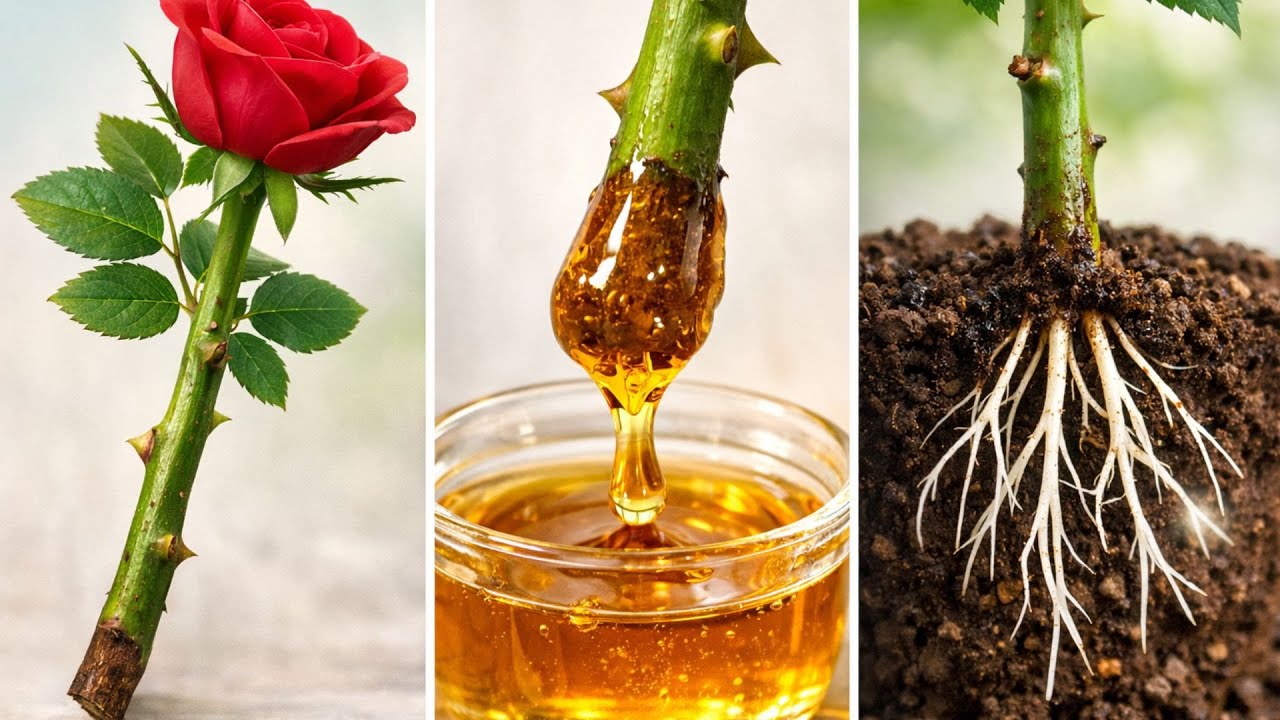
3. Propagate Your Roses Organically
Starting roses from cuttings is an excellent way to grow them without hormones.
- Take a healthy cutting from a parent rose plant, ideally during late spring or early summer.
- Remove any blossoms and gently split the leaves at the nodes.
- Place the cutting in moist potting soil, ensuring that at least two nodes are below the surface.
4. Water and Care for Your Cuttings
Proper care is crucial for successful rooting.
- Water the cuttings regularly, keeping the soil moist but not soggy.
- Cover the cuttings with a plastic bag or humidity dome to retain moisture.
- Monitor for roots, which typically develop within 4 to 6 weeks.
Tips for Success in Rose Growing
Implementing these practical tips can enhance your rose-growing journey.
1. Sunlight Requirements
Roses thrive in bright sunlight.
- Ensure your roses receive at least 6 to 8 hours of direct sunlight daily.
- Consider placing them in a spot where they are somewhat sheltered from extreme winds.
2. Fertilization Strategies
Proper nutrition supports robust growth.
- Use organic fertilizers, such as fish emulsion or bone meal, throughout the growing season.
- Feed every 4 to 6 weeks to ensure your roses receive the nutrients they need.
3. Seasonal Pruning
Pruning is essential for healthy rose plants.
- Prune during early spring to remove dead or overcrowded branches.
- Make cuts at a 45-degree angle to encourage proper healing.
Common Mistakes to Avoid
Avoiding these common pitfalls can help you grow your roses more effectively.
1. Overwatering
While roses love moisture, overwatering can lead to root rot. Make sure to check the soil moisture before watering.
2. Ignoring Pest Control
Pests can wreak havoc on your rose plants. Keep an eye out for aphids and spider mites, and consider using neem oil as a natural remedy.
3. Skipping Mulching
Mulching can help retain moisture in the soil, prevent weeds, and regulate soil temperature. Don’t overlook its benefits!
FAQ
What is the best time to plant rose cuttings?
The best time to plant rose cuttings is during late spring or early summer when the plant is actively growing.
How long does it take for rose cuttings to root?
Rose cuttings typically take about 4 to 6 weeks to develop roots, depending on the conditions.
What are the signs of a healthy rose cutting?
A healthy rose cutting will show green leaves, firm stems, and signs of new growth, indicating it’s ready to take root.
Conclusion
Growing stunning roses naturally without rooting hormone is both achievable and rewarding. By following the right steps and avoiding common mistakes, you can create a beautiful rose garden. What roses are you excited to grow in your yard?