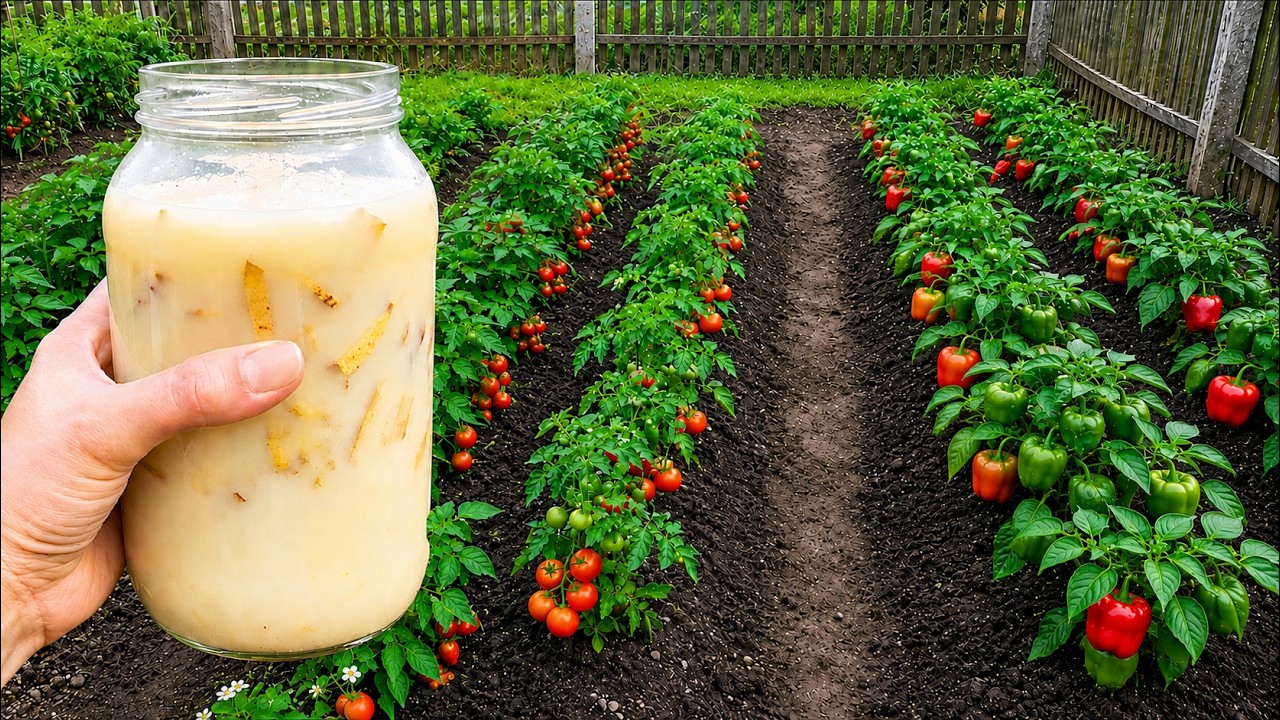
Boost Tomato & Pepper Growth: 1 Liter of This Natural Fertilizer Works Wonders!
Boost Tomato and Pepper Growth with Natural Fertilizer
- Introduction
- Benefits of Natural Fertilizer
- Best Ingredients for Your Fertilizer
- How to Create Your Natural Fertilizer
- Common Mistakes to Avoid
- FAQ
- Conclusion
Introduction
Many gardeners face challenges when trying to cultivate vibrant tomatoes and peppers. These plants can sometimes struggle to reach their fullest potential, leaving you frustrated after months of nurturing. You may be looking for a solution that not only boosts growth but does so naturally. Diving into the world of homemade fertilizers can be incredibly beneficial. Keep reading to discover how this simple approach can elevate your gardening experience.
Benefits of Natural Fertilizer
Utilizing natural fertilizer offers an array of advantages for your plants and the environment. Here are some key benefits:
- Improved soil health: Natural fertilizers enrich the soil ecosystem, promoting beneficial microbial activity.
- Enhanced nutrient absorption: Organic materials help your plants absorb nutrients more effectively, leading to better growth.
- Environmentally friendly: These fertilizers reduce the risk of chemical runoff, making them safer for surrounding wildlife.
Creating a Sustainable Garden
By using natural fertilizers, you not only support the growth of your tomatoes and peppers but also contribute to a sustainable gardening practice that respects nature.
Best Ingredients for Your Fertilizer
When crafting your own natural fertilizer, selecting the right ingredients is essential for maximizing benefits. Here are some of the best components:
- Compost: Rich in nutrients, compost is a fantastic building block for any natural fertilizer, providing a well-rounded nutrient profile.
- Animal manure: Well-aged manure from cows, chickens, or horses can be a great source of nitrogen, which is vital for plant growth.
- Bone meal: This is packed with phosphorus, an essential nutrient for flowering and fruiting, making it perfect for your tomatoes and peppers.
Incorporating Kitchen Scraps
Your kitchen can also provide valuable ingredients. Coffee grounds, eggshells, and vegetable peels are not only waste but also nutrient-rich additions to your natural fertilizer.
How to Create Your Natural Fertilizer
Making your own natural fertilizer is a straightforward process. Here’s a simple guide to get you started:
- Gather materials: Collect compost, manure, and bone meal, along with any relevant kitchen scraps.
- Mix ingredients: In a container, combine all your chosen ingredients in a balanced ratio (about 2 parts compost to 1 part manure and 1 part bone meal).
- Allow to sit: Let your mixture sit for at least a week to start the decomposition process. This step is crucial for activating beneficial microbes.
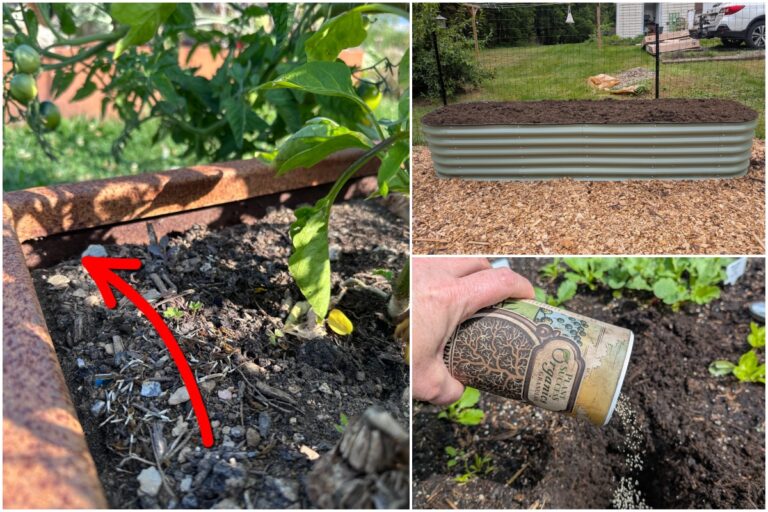
- Apply to soil: Once ready, apply a generous handful to the base of your tomato and pepper plants, mixing gently into the soil.
When to Fertilize
Timing is important! Fertilizing should generally happen at the start of the growing season and every 4-6 weeks thereafter, depending on your plants’ needs.
Common Mistakes to Avoid
Even seasoned gardeners can overlook certain aspects when using natural fertilizer. Here are some common mistakes to watch out for:
- Over-fertilizing your plants, which can lead to root burn and hinder growth.
- Ignoring the balance of ingredients, as too much of one component can cause nutrient deficiencies.
- Failing to allow adequate time for the mixture to decompose before applying it to your plants.
- Applying fertilizer too late in the growing season, which may not allow sufficient time for benefits to materialize.
FAQ
What is natural fertilizer made of?
Natural fertilizers typically consist of organic materials like compost, animal manure, and plant-based nutrients that enrich the soil without synthetic chemicals.
How often should I use natural fertilizer?
Applying natural fertilizer every 4-6 weeks during the growing season is ideal for maintaining healthy plants.
Can I use kitchen scraps as fertilizer?
Yes, kitchen scraps such as coffee grounds, eggshells, and vegetable peels are excellent sources of nutrients and can be added to your natural fertilizer mix.
Conclusion
Boosting the growth of your tomatoes and peppers is achievable with the right natural fertilizer. By using a blend of compost, manure, and nutrient-rich scraps, you can create a beneficial environment for your plants. Have you tried making natural fertilizers before? Share your experiences in the comments below!