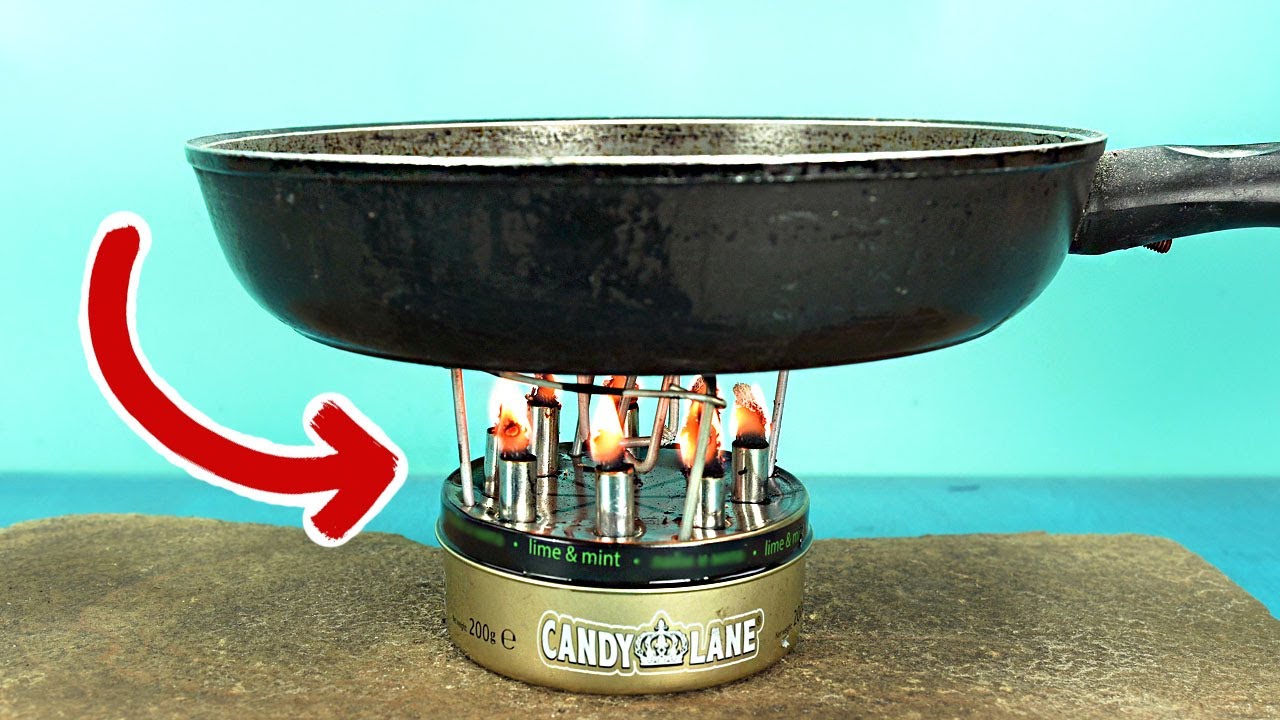
Cook for Free: 5 Steps to Create Your Own Eco-Friendly Oil Stove!
Create Your Own Eco-Friendly Oil Stove
Introduction
Have you ever found yourself facing a high energy bill or wondering how to cook efficiently while being gentle on the planet? Many of us are searching for ways to reduce our carbon footprint without sacrificing the joy of cooking. Building your own eco-friendly oil stove could be the perfect solution for you. With simple materials and a bit of creativity, you can craft a functional and sustainable way to prepare your meals. Keep reading to discover how you can create this environmentally friendly cooking alternative.
Required Materials
Before you dive into building your eco-friendly oil stove, gather these essential materials:
- Empty metal can (such as a coffee can or soup can)
- Old pot or heat-safe container
- Pure vegetable oil for fuel
- Fiberglass or cotton wicks
- Drill or screwdriver for creating holes
- Optional: Decorative paint or materials for personalizing your stove
Step-by-Step Guide
Now that you have your materials, follow these steps to assemble your eco-friendly oil stove:
1. Prepare Your Can
- Clean the empty metal can thoroughly to remove any residue.
- Drill a hole in the center of the lid that is large enough for your wick.
- If desired, decorate the can with paint or other materials for a personal touch.
2. Insert the Wick
- Cut your fiberglass or cotton wick to the desired length, making sure it extends several inches above the can’s lid.
- Feed the wick through the hole you drilled, ensuring it is secure.
- Use a small amount of oil to wet the wick, helping it absorb fuel during use.
3. Fill with Oil
- Carefully pour pure vegetable oil into the can, filling it to about three-quarters full.
- Ensure that the wick is submerged to allow it to absorb the oil properly.
4. Light Your Stove
- Make sure your workspace is safe and clear of flammable materials.
- Use a long lighter or match to ignite the tip of the wick.
- Be cautious as the flame may be high initially; allow it to stabilize.
5. Cook Safely
- Place a pot or heat-safe container on top of the can to start cooking.
- Monitor the flame to avoid overheating and adjust the wick as needed.
- Always maintain a safe distance from the flame while cooking.
Common Mistakes
While building your eco-friendly oil stove can be a rewarding project, it’s essential to avoid these common pitfalls:
- Using a can that isn’t clean or suitable for heating, which can release harmful chemicals.
- Choosing a wick material that does not burn efficiently, which can hinder the stove’s performance.
- Overfilling the can with oil, increasing the risk of spills and flare-ups.
- Not securing the wick properly, leading to an unstable flame.
- Ignoring ventilation, which can be dangerous when using any open flame indoors.
FAQ
Can I use any type of oil for the stove?
It’s best to use pure vegetable oil as it burns cleaner and is safer for indoor use.
How long does the wick last?
The longevity of the wick depends on usage but can typically last for several cooking sessions before needing replacement.
Is it safe to use indoors?
Yes, provided you have proper ventilation and follow safety precautions while cooking with an open flame.
Conclusion
Creating your own eco-friendly oil stove is not only a sustainable choice but also allows for creative expression in your cooking habits. By gathering simple materials and following safe practices, you can enjoy cooking with a lower environmental impact. What’s your favorite dish to make using eco-friendly methods?