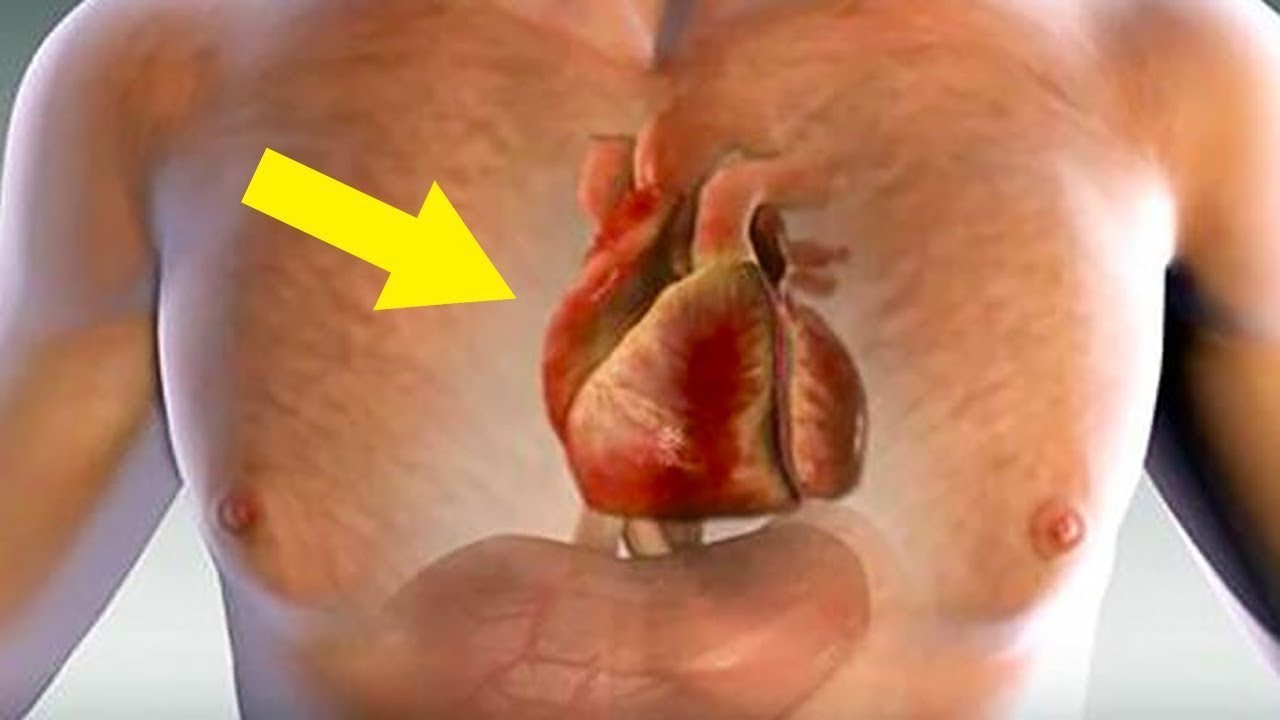
14 Warning Signs Your Body Gives 1 Month Before a Heart Attack – Are You Aware?
14 Warning Signs Your Body Gives One Month Before a Heart Attack
- Understanding Heart Attack Signs
- Common Warning Signs
- Importance of Recognition
- Mistakes to Avoid
- FAQ
Many people experience subtle shifts in their health before a heart attack occurs, but recognizing these early signs is crucial. You may feel unusual fatigue, shortness of breath, or even minor chest discomfort that you might brush off. At times, it’s easy to dismiss these symptoms as common ailments or stress-related issues. However, understanding the potential indicators of impending heart problems can help you take proactive steps towards your health. Exploring these signs might just be what you need to ensure your well-being in the coming weeks.
Understanding Heart Attack Signs
A heart attack, or myocardial infarction, occurs when blood flow to a part of the heart is blocked. This can lead to serious damage or even death of heart tissue. While many associate heart attacks with sudden pain, experts indicate that there can often be a week or a month of warning signs leading up to the event. Recognizing these warning signs may empower you to seek medical advice or make lifestyle changes.
Physical Symptoms to Note
- Unexplained Fatigue: A sudden drop in energy can be a sign to watch.
- Shortness of Breath: This may happen even during slight exertion or at rest.
- Chest Discomfort: Instead of the classic pain, you might feel heaviness or pressure.
Emotional and Cognitive Changes
Changes in your mood or mental state should also be monitored. Along with physical symptoms, many report feelings of anxiety or depression, which may signal underlying health issues.
Common Warning Signs
It’s vital to identify the specific symptoms that can serve as warning signs before a heart attack.
Subtle Changes in Your Body
- Sleep Disturbances: Insomnia or changes in your sleep cycle can be significant.
- Jaw Pain: Pain in the jaw, neck, or back can indicate heart trouble.
- Indigestion or Nausea: Unexplained gastrointestinal issues might be related.
Recognizing Patterns
Keeping a journal of your symptoms can help you identify patterns. Note when they occur, their intensity, and any associated activities.
Importance of Recognition
Understanding these signs can significantly impact your health outcomes. Timely recognition allows you to consult with your doctor before a more serious situation develops.
Taking Action Early
When you notice any early warning signs, don’t hesitate to seek professional medical advice. Early interventions can prevent serious events and improve your quality of life.
Making Lifestyle Changes
Adopting a heart-healthy lifestyle, including regular exercise and a balanced diet, can reduce your risks and enhance your overall health. Emphasize whole foods, reduce processed sugars, and prioritize hydration.
Mistakes to Avoid
When it comes to recognizing heart attack signs, several common mistakes can be detrimental.
Overlooking Symptoms
- Ignoring discomfort, thinking it’s just stress or fatigue.
- Delay in seeking medical advice even when symptoms persist.
- Assuming only older adults are at risk — heart issues can affect anyone.
Misjudging Severity
A tendency to minimize symptoms can lead to dangerous situations. Always trust your instincts when it comes to your health.
FAQ
What are the early signs of a heart attack?
Early signs can include fatigue, shortness of breath, chest discomfort, and unusual emotional changes.
How long can symptoms last before a heart attack?
Symptoms may appear days or weeks before the event, making it essential to monitor your health regularly.
Should I see a doctor if I have some of these symptoms?
Yes, it’s recommended to consult your doctor to discuss your symptoms, especially if they persist or worsen.
Recognizing warning signs early can be life-saving. You are not alone in this journey towards better health; sharing your experiences can help others. What symptoms have you noticed in your own life?