13 Essential Plants to Deadhead in August for a Thriving Garden
13 Essential Plants to Deadhead in August for a Thriving Garden
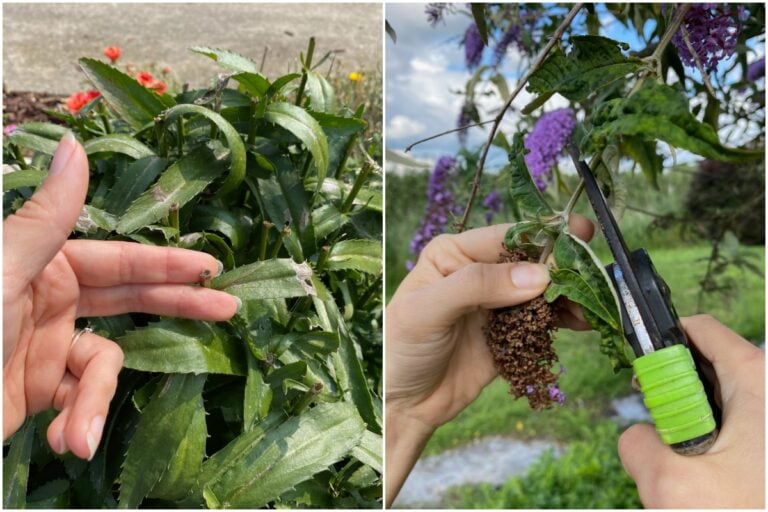
August is the perfect month for enjoying al fresco lunches in the garden, savoring fresh meals while soaking up some sun or sipping cocktails in the evening. Amidst all the pleasures of the garden, it’s also a great time to check on our plants. Gardening is both a love for the place and a passion for the activity itself. One of the vital tasks in August is deadheading—removing old, spent flowers from ornamental plants. Here’s a guide to 13 plants that benefit from this summer chore.
Why Deadhead?
Deadheading serves multiple purposes:
- Prevents plants from wasting energy on seed production.
- Promotes branching out and encourages more blooms, extending the flowering season for our enjoyment and that of pollinators.
- Reduces unwanted self-seeding in areas where it’s not desired.
1. Roses
Roses are a true summer delight, though they can sometimes be a disappointment if they don’t bloom as expected. By deadheading repeat-blooming varieties, we can encourage more flowers to open. If you grow varieties that produce rose hips, stop deadheading early to allow these to develop, providing food for birds in winter.
2. Stonecrop Sedum
This reliable ground cover offers beautiful blooms from June to July. Once the flowers have faded to brown, deadhead the entire stem to the first rosette of leaves for a tidier appearance. Stonecrop sedum won’t rebloom in some zones but can add autumn interest with its changing colors.
3. Dahlias
August marks the peak bloom for dahlias, making it essential to deadhead spent flowers. This helps redirect energy to new buds, ensuring a continued show of color in your garden.
4. Sweet Peas (Lathyrus odoratus)
Sweet peas can climb effortlessly, transforming any structure into a floral display. By August, trim the first spent blooms to focus energy on new flowers while leaving some for seed collection.
5. Hostas
Known for their beautiful foliage and pollinator-friendly flowers, hostas benefit from deadheading after blooming. Remove spent flowers close to the base to keep the plant looking tidy as it continues to thrive.
6. Strawflower (Xerochrysum bracteatum)
Strawflowers are stunning additions to any garden, lasting beautifully as cut flowers. Regular deadheading encourages continuous blooms throughout summer. Cut just below spent blooms to maximize flowering.
7. Helenium (Helenium autumnale)
Though often seen as a fall plant, Helenium begins blooming in late June. Regular deadheading will prolong its flowering season into autumn, creating vibrant displays for both you and pollinators.
8. Globe Thistle (Echinops)
This perennial thrives in hot, dry conditions and produces electric blue flowers. Deadheading spent blooms encourages remnant blooms and enhances the longevity of your garden’s color.
9. Butterfly Bush (Buddleia)
While once a garden favorite, the butterfly bush can become invasive. Timely deadheading will prevent self-seeding, ensuring a more manageable plant without random seedlings sprouting in your garden.
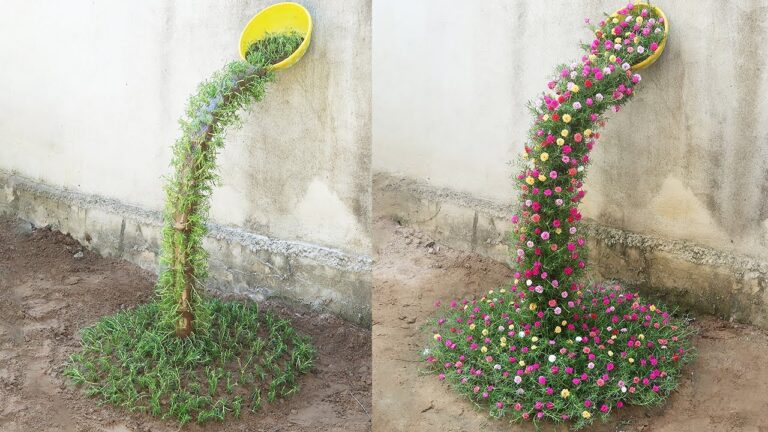
10. Moss Rose (Portulaca grandiflora)
This vibrant ground cover thrives with minimal care. Regularly deadhead to maintain a colorful floral carpet throughout the season.
11. Moss Phlox (Phlox subulata)
Another groundcover, moss phlox, blooms beautifully from spring into summer. By August, it’s important to deadhead to enhance the presentation of its evergreen foliage.
12. Marguerite Daisy (Argyranthemum)
These enchanting daisies, native to the Canary Islands, require deadheading to continue blooming. They can provide overlapping floral displays with other daisies and are just as lovely.
13. Lavender (Lavandula)
A beloved staple, lavender offers fragrance and drought resistance. In August, deadheading encourages a smaller second bloom and tidies up the plant. This is also the ideal time for harvesting if you plan to dry lavender.
Conclusion
August is a crucial month for maintaining a thriving garden, and deadheading these 13 plants will enhance their beauty and longevity. Stay proactive this summer to keep your garden vibrant and inviting for both you and the hovering pollinator visitors.