4 Egg Boiling Tricks My 102-Year-Old Grandma Swears By! Discover Her Secret Method
Egg Boiling Tricks for Perfectly Cooked Eggs
- Quick Tips for Boiling Eggs
- Best Methods for Boiling Eggs
- Seasoning Ideas for Boiled Eggs
- Common Mistakes to Avoid
- Frequently Asked Questions
Boiling eggs might seem straightforward, yet achieving that perfect yolk and tender whites can often be more challenging than it appears. You may have experienced undercooked centers, cracked shells, or those pesky green rings around the yolks. Fortunately, there are tried-and-true methods passed down through generations that can enhance your egg boiling skills. Let’s explore some effective tricks that will elevate your egg boiling game.
Quick Tips for Boiling Eggs
Before you dive into boiling, consider these quick tips to streamline your process and ensure optimal results.
1. Use Older Eggs
Fresh eggs are often harder to peel. Instead, opt for eggs that are at least a week old. They generally come off the shell more easily once boiled.
2. Salt and Vinegar
Adding a teaspoon of salt or a splash of vinegar to the water can help prevent the eggs from cracking, as well as make them easier to peel later on.
3. Ice Bath After Boiling
Shocking your eggs in an ice bath post-boiling will stop the cooking process and make peeling a breeze. Simply transfer them into a bowl filled with ice and cold water for several minutes.
Best Methods for Boiling Eggs
There are various techniques for cooking eggs, each yielding slightly different textures and tastes. Here are some popular methods to try:
1. Stovetop Method
- Fill a pot with water, ensuring it covers the eggs by at least an inch.
- Bring the water to a rolling boil over medium heat.
- Gently add the eggs one at a time to avoid cracking.
- Cover the pot and remove it from heat, allowing the eggs to cook in the residual heat based on your desired doneness (about 9-12 minutes).
- Drain the hot water and transfer the eggs to an ice bath.
2. Instant Pot Method
- Add one cup of water to the bottom of the Instant Pot.
- Place the eggs on a steaming rack and secure the lid.
- Cook on high pressure for 5-7 minutes based on your preference.
- Quick-release the pressure and then transfer to an ice bath.
3. Oven Method
- Preheat your oven to 325°F (160°C).
- Place the eggs in a muffin tin to prevent them from rolling around.
- Bake for 25-30 minutes, then move them to an ice bath.
Seasoning Ideas for Boiled Eggs
Adding some flavor to your boiled eggs can turn them into a delightful dish. Here are some seasoning ideas to try:
- Herbs and Spices: Sprinkle with paprika, dill, or chives.
- Sauces: Drizzle with soy sauce or hot sauce for an extra kick.
- Salad Ideas: Chop boiled eggs for a classic egg salad mixed with mayonnaise and mustard.
Common Mistakes to Avoid
Even experienced cooks can make mistakes when boiling eggs. Here are some common pitfalls and how to avoid them:
1. Boiling Eggs Straight from the Fridge
Starting with cold eggs can cause them to crack. Always let them sit at room temperature for about 10-15 minutes.
2. Overcooking the Eggs
Leaving eggs on the heat for too long results in rubbery whites and green rings around the yolk. Use a timer for accuracy!
3. Not Peeling Immediately
Letting boiled eggs sit in the fridge for too long can make peeling difficult. Consider peeling them while they’re still slightly warm.
4. Ignoring Storage Practices
Boiled eggs should be stored in the fridge without the shell if you plan to eat them later. This keeps them fresh and ready to go.
5. Forgetting to Use a Timer
Eyeballing cooking time can lead to inconsistency. Always use a timer to ensure you achieve your desired doneness.
Frequently Asked Questions
Q: How long should I boil eggs for hard-boiled?
A: For hard-boiled eggs, cook for 9-12 minutes after boiling, depending on your preferred texture.
Q: Is it necessary to pierce the eggs before boiling?
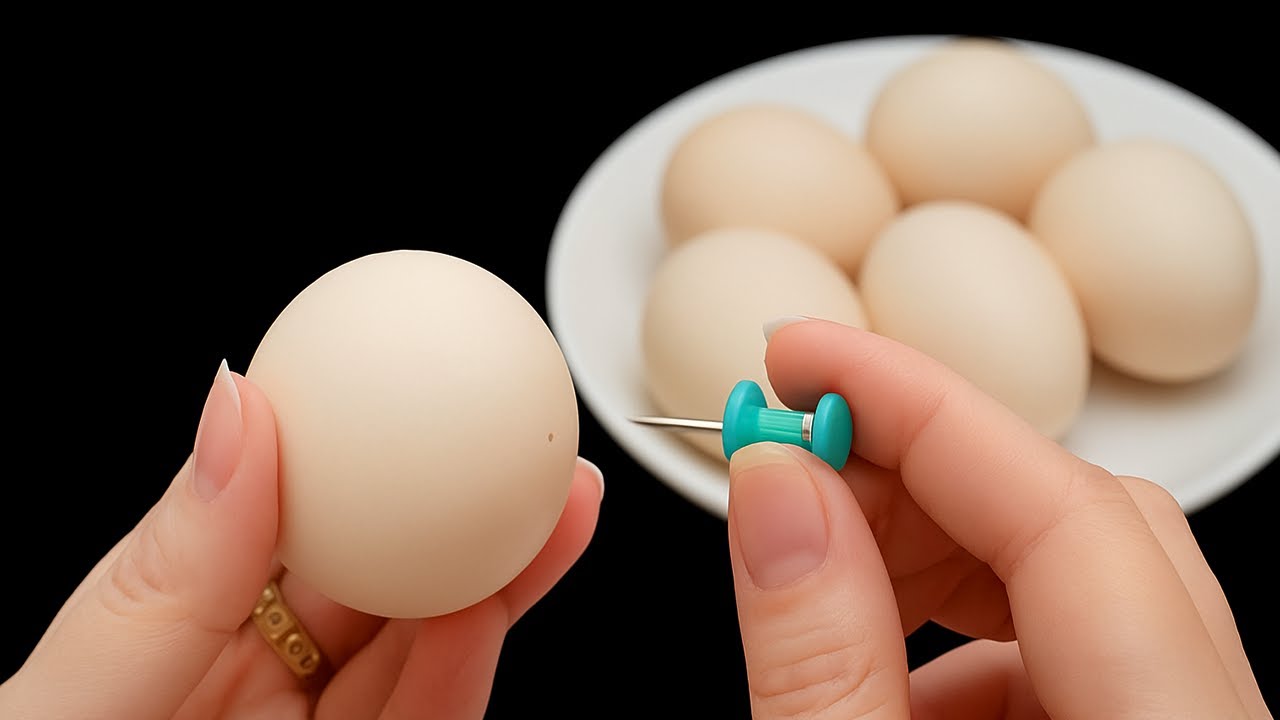
A: While it’s not necessary, piercing the larger end of the egg can help prevent cracking.
Q: Can I boil eggs without a lid?
A: Yes, but covering the pot helps maintain heat and can cook the eggs more evenly.
Perfectly boiled eggs can enhance your meals in numerous ways, whether you enjoy them alone or in delicious dishes. What’s your favorite way to prepare boiled eggs? Share your thoughts in the comments!