Say Goodbye to Varicose Veins: 5 Easy Tips for Instant Relief!
Say Goodbye to Varicose Veins: 5 Easy Tips for Instant Relief
- Understanding Varicose Veins
- Natural Relief Techniques
- Lifestyle Changes for Healthier Veins
- Mistakes to Avoid
- FAQ
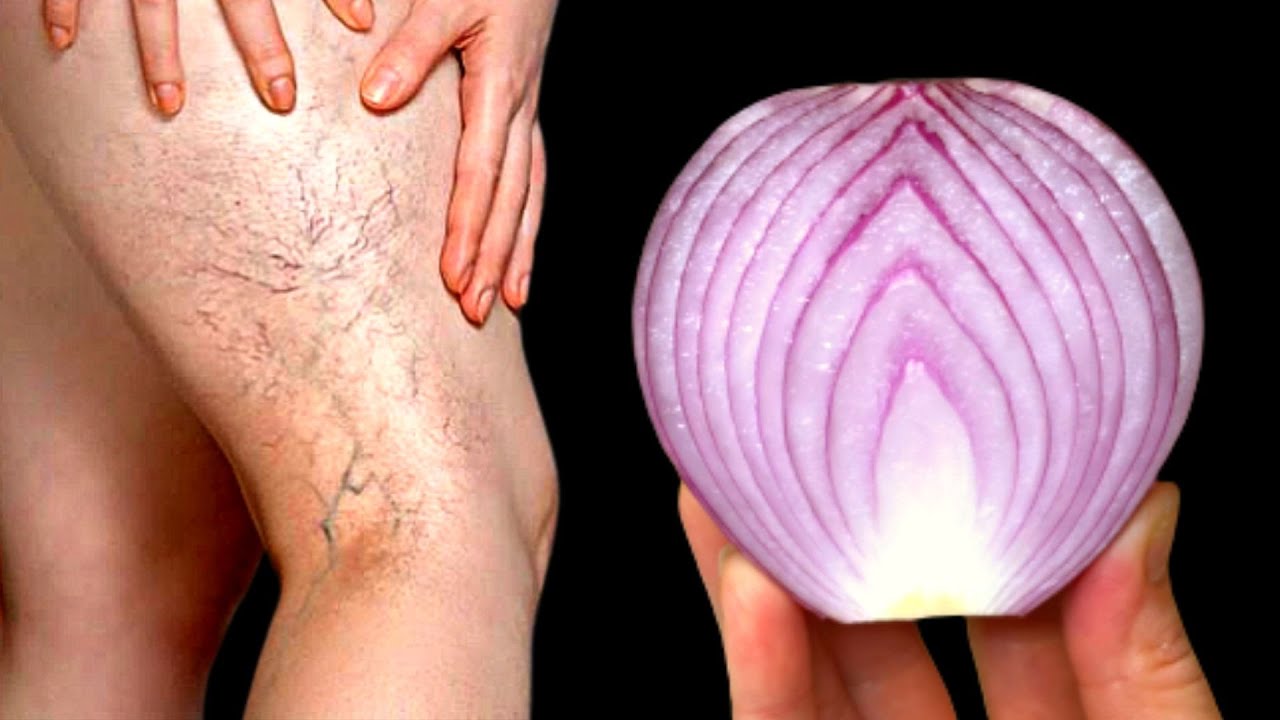
For many, varicose veins can be an uncomfortable reality, manifesting as bulging, swollen veins that often appear on legs. You might notice them after long periods of standing or sitting, and they can lead to a sense of heaviness or achiness. While they may be common, dealing with them doesn’t have to be. Discovering effective ways to manage and alleviate their discomfort can change your daily routine and boost your confidence. Keep reading to explore practical tips and techniques that can help you find relief.
Understanding Varicose Veins
Before digging into effective relief strategies, it’s essential to understand what varicose veins are and what causes them. These veins occur when blood pools due to weakened valves and can be influenced by various factors.
Causes of Varicose Veins
There are several reasons why you may develop varicose veins:
- Genetics can play a significant role.
- Aging causes veins to lose elasticity.
- Hormonal changes, particularly during pregnancy or menopause, can contribute.
- Prolonged periods of standing or sitting increase pressure on your legs.
Symptoms to Watch For
Recognizing the symptoms is key to effectively managing varicose veins:
- Visible, bulging veins in the legs.
- Aching, heaviness, or discomfort in the legs.
- Swelling, especially after prolonged sitting or standing.
Natural Relief Techniques
There are several natural techniques you can incorporate into your daily routine for instant relief from varicose veins. These methods focus on improving blood circulation and reducing discomfort.
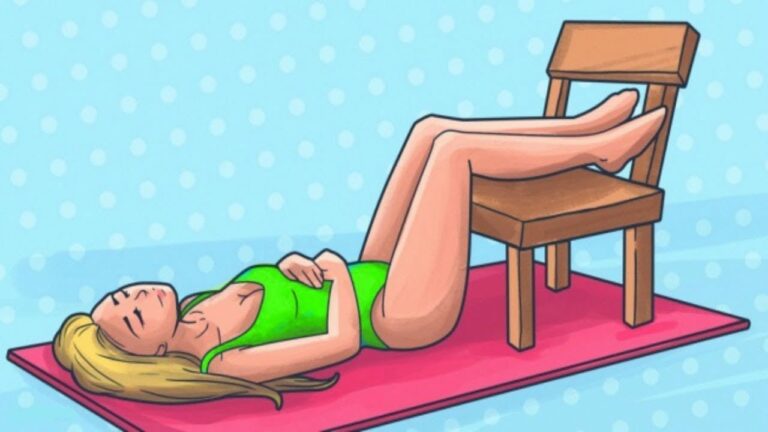
1. Elevate Your Legs
- Find a comfortable spot to lie down.
- Elevate your legs above heart level. Use pillows or cushions to support your legs.
- Leave them elevated for 15-20 minutes to promote blood flow.
2. Cold Compresses
Applying cold compresses can provide immediate relief:
- Wrap ice in a cloth or use a cold pack.
- Apply it to the affected areas for 15-20 minutes.
- Repeat several times a day as needed.
3. Herbal Remedies
Some herbs can support vein health:
- Horse chestnut is known for its anti-inflammatory properties.
- Butcher’s broom can help improve circulation.
- Consult with a healthcare provider to explore the right herbal options for you.
Lifestyle Changes for Healthier Veins
In addition to immediate relief techniques, making lifestyle adjustments is essential for long-term management of varicose veins.
Regular Exercise
Engaging in regular physical activity can enhance circulation:
- Focus on low-impact exercises like walking, cycling, and swimming.
- Aim for at least 30 minutes most days of the week.
- Strength training can also support muscle tone, which assists vein function.
Healthy Diet Choices
Your diet plays a crucial role in vein health:
- Incorporate fiber-rich foods to prevent constipation, which can lead to pressure on veins.
- Stay hydrated to keep blood flowing smoothly.
- Include foods rich in antioxidants—such as berries, leafy greens, and citrus fruits—to strengthen veins.
Avoid Tight Clothing
What you wear can influence your vein health:
- Opt for loose-fitting clothes that don’t constrict blood circulation.
- Avoid high heels and choose comfortable footwear for better support.
Mistakes to Avoid
When managing varicose veins, it’s crucial to steer clear of common pitfalls that can exacerbate the condition.
1. Neglecting Physical Activity
Staying sedentary can worsen symptoms. Regular movement enhances circulation and supports vein health.
2. Skipping Hydration
Dehydration can lead to thickened blood, making circulation harder. Be sure to drink adequate fluids throughout the day.
3. Ignoring Symptoms
Don’t overlook early symptoms. Addressing them promptly can prevent worsening conditions.
4. Relying Solely on Remedies
Natural remedies are wonderful, but combining them with lifestyle changes and medical advice yields the best results.
FAQ
What are the primary symptoms of varicose veins? Symptoms often include visible bulging veins, aching or heaviness in the legs, and swelling after standing or sitting.
Can diet affect varicose veins? Yes, a diet rich in fiber and antioxidants can support overall vein health and help to manage symptoms.
Is it possible to prevent varicose veins? While not all varicose veins can be prevented, regular exercise, maintaining a healthy weight, and avoiding prolonged standing can help reduce the risk.
In closing, managing varicose veins involves both immediate relief techniques and long-term lifestyle choices. By implementing these strategies, you can take control of your health and feel more comfortable in your skin. Have you tried any other tips that have worked for you? Feel free to share in the comments!