7 Easy Tips to Grow Big Juicy Watermelons at Home!
7 Easy Tips for Growing Big Juicy Watermelons at Home
- Introduction
- Essential Conditions for Watermelon Growth
- Effective Planting Techniques
- Watering and Nutritional Needs
- Common Mistakes to Avoid
- FAQ
- Conclusion
Introduction
If you’ve ever dreamed of enjoying a slice of sweet, juicy watermelon straight from your garden, you’re not alone. Many gardeners struggle to achieve that perfect fruit, often encountering various challenges that can leave them disheartened. From lack of sunlight to pesky pests, the journey to the ideal watermelon can be tricky. However, with the right tips and techniques, you can set yourself up for a bountiful harvest. Let’s delve into some practical strategies to help you grow the biggest and juiciest watermelons at home.
Essential Conditions for Watermelon Growth
Growing watermelons requires specific environmental conditions to thrive. Understanding these essentials will set the foundation for your gardening success.
1. Choose the Right Location
Watermelons love the sun. Look for a spot in your garden that receives at least 6–8 hours of direct sunlight each day. This will enhance the plant’s ability to produce sweet fruit.
2. Soil Quality
The soil you use can significantly impact your watermelon yield. Aim for sandy-loam soil that drains well. You can improve the soil by adding compost, which provides essential nutrients and enhances drainage.
3. Ideal Temperature
Watermelons are heat-loving plants. They thrive in temperatures between 70°F and 90°F. Plant your seeds only when the soil temperature reaches at least 70°F to ensure successful germination.
Effective Planting Techniques
Once you have your conditions lined up, the next step is to focus on how you plant your watermelon seeds.
1. Starting Seeds Indoors
If you live in a cooler climate, consider starting your seeds indoors. Begin about 3–4 weeks before the last frost date. Use seed trays filled with potting mix to nurture seedlings until they’re ready to transplant.
2. Direct Sowing Outdoors
If the weather is warm enough, you can also sow your seeds directly into the ground. Create hills that are about 3 feet apart, planting 2–3 seeds in each hill.
3. Transplanting Seedlings
When your seedlings have around 2-3 leaves, carefully transplant them into your garden. Be gentle to avoid damaging the roots. Space your seedlings 3 feet apart for optimal growth.
Watering and Nutritional Needs
Proper hydration and nutrition are crucial for growing watermelons that are both large and flavorful.
1. Watering Schedule
Watermelons require consistent moisture. Water them deeply at least once a week, and increase the frequency during particularly hot spells. Aim to keep the soil consistently damp but not soggy.
2. Feeding Your Plants
Use a balanced fertilizer during the growing season, applying it every 4–6 weeks. This will help provide the necessary nutrients, particularly nitrogen, phosphorus, and potassium, for optimal growth.
3. Mulching for Retention
Applying a layer of mulch around your plants can help retain soil moisture and prevent weeds. Organic materials like straw or wood chips work well as mulch.
Common Mistakes to Avoid
Even with the best intentions, it’s easy to make mistakes when growing watermelons. Here are some pitfalls to watch out for:
1. Overcrowding
One common mistake is planting too many seeds in a small area. Ensure you give each plant enough space to grow by maintaining a distance of 3 feet apart.
2. Inconsistent Watering
Watering inconsistently can lead to cracked or misshapen fruit. Stick to a regular watering schedule to ensure your watermelons develop evenly.
3. Ignoring Pests
Keep an eye out for pests like aphids and cucumber beetles, which can damage your plants. Regularly check for signs of infestation and treat them promptly with natural remedies or insecticidal soap.
FAQ
How long do watermelons take to grow?
Watermelons typically take about 70 to 90 days to mature from planting to harvest, depending on the variety.
What is the best time to plant watermelons?
The best time to plant watermelons is after the last frost date, usually in late spring when soil temperatures are consistently warm.
Can I grow watermelons in pots?
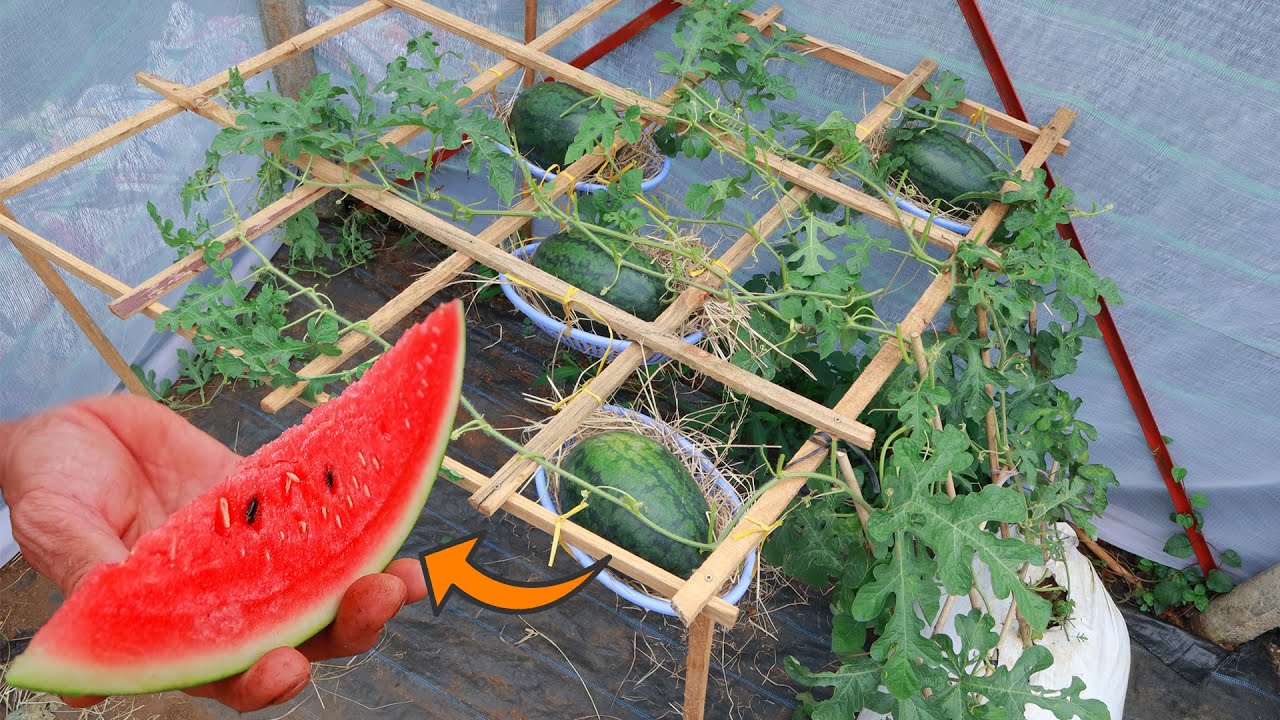
Yes, you can grow watermelons in large pots or containers. Ensure they have plenty of support for vines and adequate drainage.
Conclusion
Growing big juicy watermelons at home is achievable with the right conditions and care. By understanding your plants’ needs and avoiding common pitfalls, you can enjoy a satisfying harvest. What has been your experience with growing watermelons? Share your thoughts in the comments below!