Say Goodbye to Excess Earwax in Just 10 Minutes with This Simple Home Trick!
Say Goodbye to Excess Earwax in Just 10 Minutes with This Simple Home Trick!
- Introduction
- Understanding Earwax
- Natural Remedies for Earwax Removal
- Mistakes to Avoid When Cleaning Ears
- FAQ
- Conclusion
Introduction
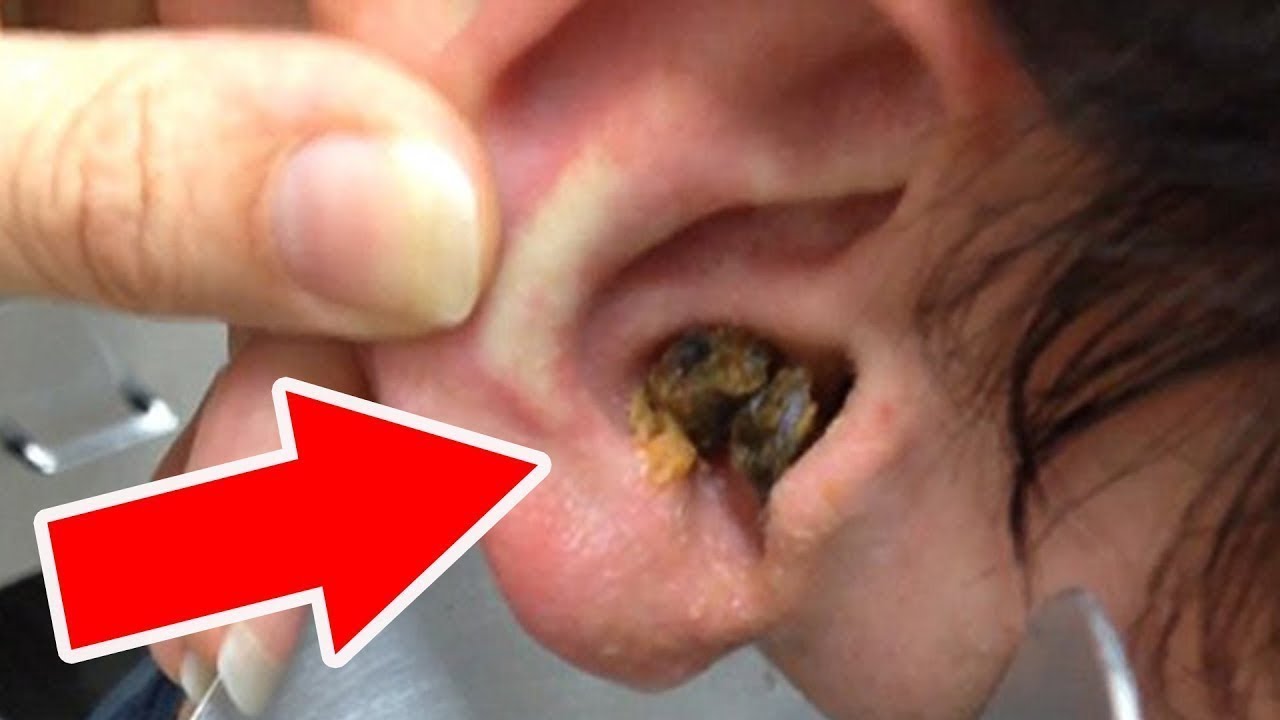
Have you ever experienced the discomfort that comes from too much earwax? It can block your hearing, cause itchiness, and even lead to infections if not managed properly. While many people resort to cotton swabs or over-the-counter solutions, there are simple and natural methods you can try at home. Understanding how to effectively manage earwax can make a significant difference in your comfort and health. Let’s explore some effective tricks to relieve this common issue.
Understanding Earwax
Earwax, also known as cerumen, performs essential functions in the ear. It helps protect your ears from dirt and bacteria and lubricates the skin of the ear canal. However, sometimes you might produce too much of it, leading to discomfort. Here’s what you need to know:
What Causes Excess Earwax?
- Genetics: Some people naturally produce more earwax than others.
- Environment: Exposure to dust, debris, and pollutants can lead to an increase in earwax production.
- Ear Canal Shape: The shape of your ear canal can impact earwax buildup.
Signs of Earwax Buildup
Recognizing the symptoms of excessive earwax can help you take timely action. Common signs include:
- Hearing loss or muffled sounds
- Itching in the ear canal
- A sensation of fullness in the ear
Natural Remedies for Earwax Removal
If you’re looking to manage earwax at home, several natural remedies can be effective and safe. Here are some simple options:
1. Olive Oil Drops
Using olive oil can help soften earwax, making it easier to remove. Here’s how:
- Measure: Take a few drops of warm olive oil.
- Apply: Tilt your head and place the drops in the affected ear.
- Wait: Keep your head tilted for 5-10 minutes.
- Drain: Allow the oil and wax to drain out onto a tissue.
2. Hydrogen Peroxide Solution
Hydrogen peroxide can be another effective way to deal with earwax buildup:
- Mix: Combine equal parts of hydrogen peroxide (3%) and water.
- Instill: Drop a few drops into the ear.
- Let sit: Allow it to bubble for a few minutes, then tilt your head to let it drain.
3. Warm Water Irrigation
Using warm water can be a gentle way to flush out earwax:
- Prepare: Use a bulb syringe with warm, sterile water.
- Flush: Gently squirt the water into the ear canal.
- Drain: Tilt your head to let the water and wax drain out.
Mistakes to Avoid When Cleaning Ears
While managing earwax is important, it’s equally essential to avoid common mistakes that can worsen the situation:
1. Using Cotton Swabs
Inserting cotton swabs can push earwax deeper, potentially causing blockages or damage.
2. Overusing Remedies
Frequent use of home remedies can irritate the ear canal. Keep treatments to a minimum.
3. Ignoring Symptoms
If you experience severe pain or persistent symptoms, it’s crucial to consult a healthcare professional rather than relying solely on home remedies.
FAQ
What is the best way to remove earwax at home?
Natural remedies like olive oil or hydrogen peroxide can be effective for softening earwax. Always ensure your methods are gentle and avoid inserting objects into your ear.
How often should I clean my ears?
For most people, cleaning ears is unnecessary as the body regulates earwax naturally. However, if you notice symptoms of excess wax, you might consider treatments occasionally.
When should I see a doctor about earwax?
If you’re experiencing significant discomfort, pain, or hearing loss due to earwax buildup, it’s advisable to seek medical advice.
Conclusion
Managing earwax effectively can enhance your overall ear health and comfort. By understanding the natural remedies available and avoiding common mistakes, you can address earwax buildup safely. Do you have any personal experiences or tips on managing earwax that you’d like to share?