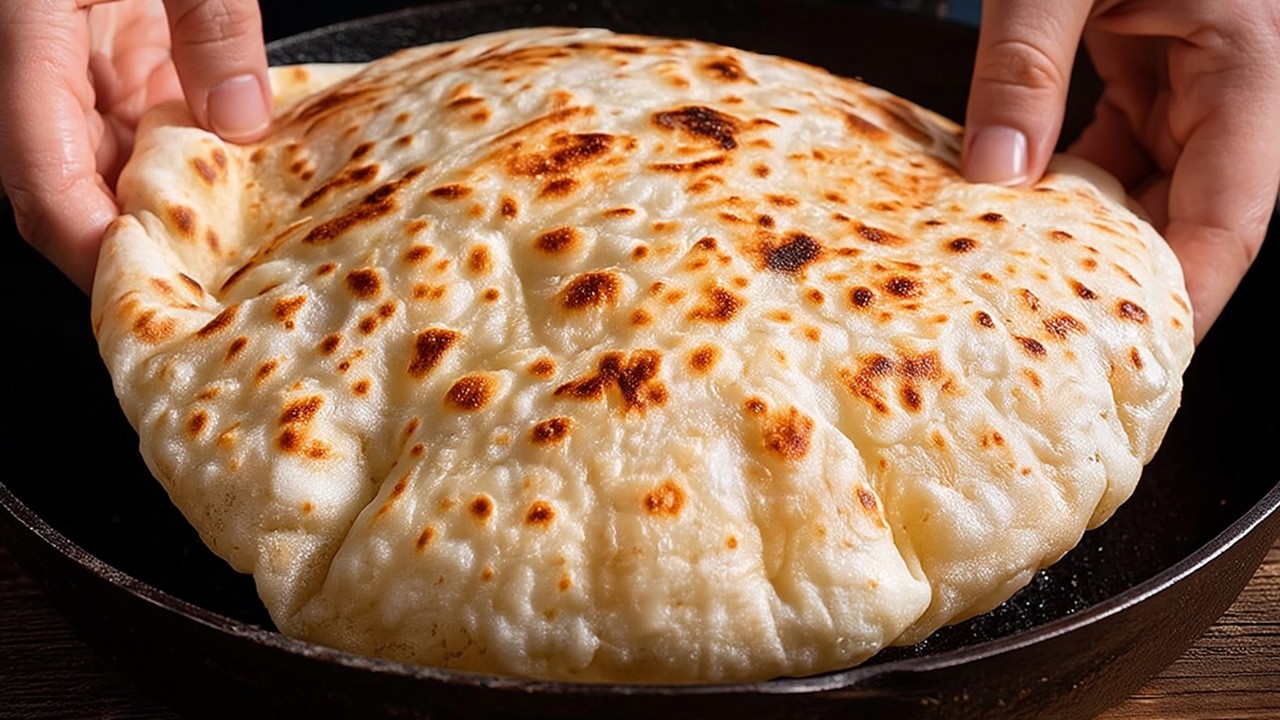
1 Cup Oats and Water: The Best Flour-Free Flatbread Recipe You’ll Love!
1 Cup Oats and Water: The Best Flour-Free Flatbread Recipe You’ll Love!
- Introduction
- Essential Ingredients
- Preparation Method
- Serving Suggestions
- Common Mistakes to Avoid
- FAQ
Introduction
Have you ever found yourself with limited ingredients on hand and wondered what delicious dish you could whip up? Sometimes, the simplest recipes turn out to be the most satisfying, allowing you to create something tasty without a long list of items. A flour-free flatbread made from just oats and water is an excellent example of this. Dive into this recipe to discover how you can easily make your own flatbread at home.
Essential Ingredients
Before you start, it’s important to gather your ingredients to ensure a smooth cooking process. Here’s what you’ll need:
- 1 cup of rolled oats
- 1/2 cup of water (adjust as necessary)
- 1/4 teaspoon of salt (optional, for flavor)
Choosing the Right Oats
For this recipe, rolled oats work best as they blend smoothly into a dough-like consistency. Make sure to choose gluten-free oats if needed, as some brands may process oats with wheat products.
Optional Flavor Variations
You can easily add your favorite herbs or spices to the dough. Consider ingredients like garlic powder, rosemary, or cumin to elevate the flavor profile. Just incorporate these extras into the dry oats before mixing with water.
Preparation Method
Making this flatbread is quick and straightforward. Follow these steps for a perfect result:
- Blend the rolled oats in a blender or food processor until they reach a fine flour-like consistency.
- Mix the ground oats with water and salt (if using). Adjust the water for the desired dough consistency—it should be pliable but not sticky.
- Knead the mixture briefly, then let it rest for around 10 minutes. This allows the oats to absorb the water fully.
- Divide the dough into equal portions, roughly the size of a golf ball.
- Roll each ball into a flat, round shape using a rolling pin. Aim for about 1/4 inch thickness.
- Cook the flatbreads on a non-stick skillet over medium heat for about 2-3 minutes on each side, or until golden brown.
Visual Details for Cooking
For a more appealing texture, try flipping the flatbread while it’s still slightly puffy. Additionally, consider lightly brushing each flatbread with olive oil for a richer taste.
Storing Your Flatbreads
Once cooled, store your flatbreads in an airtight container. They can be kept in the refrigerator for up to a week or frozen for longer-lasting freshness.
Serving Suggestions
This flour-free flatbread goes well with various dishes and dips. Here are some delightful ideas:
- Pair with hummus for a healthy snack.
- Use as a wrap for sandwiches filled with your favorite fillings.
- Serve alongside soups or stews to soak up the flavorful broth.
- Top with avocado and tomatoes for a nutritious breakfast option.
Experiment with Toppings
Feel free to get creative with toppings! You can layer the flatbread with fresh spinach, cheese, or any leftover roasted vegetables in your fridge.
Making an Appetizing Platter
For a festive gathering, consider creating a flatbread platter with assorted dips and toppings. It encourages sharing and trying new combinations.
Common Mistakes to Avoid
Even simple recipes can have pitfalls. Here are some common mistakes to steer clear of:
- Omitting seasonings can make your flatbread taste bland. Don’t skip the salt and consider adding herbs.
- Using too much water will make the dough sticky and hard to handle. Start with a small amount, adding little by little.
- Overcooking your flatbread can lead to dryness. Keep an eye on them while cooking to achieve a soft and chewy texture.
- Not letting the dough rest may affect the final texture. Resting allows the oats to hydrate properly.
FAQ
Can I use steel-cut oats instead of rolled oats? Steel-cut oats won’t blend as well and will yield a coarser flatbread. Rolled oats are preferred for a smoother texture.
How can I keep my flatbreads soft? Storing them in a sealed container helps retain moisture. You can also warm them briefly before serving.
Can I add other flours to the recipe? Yes, adding small amounts of other flour types can enhance texture and flavor, but it will no longer be a pure oat flatbread.
Conclusion
Creating a flour-free flatbread with just oats and water is an accessible and delightful recipe. With these simple ingredients and easy methods, you can enjoy fresh, homemade flatbreads any time. What variations are you excited to try in your next batch? Share your thoughts in the comments!