9 Signs You’re Dehydrated: Discover How to Stay Hydrated for Better Health!
9 Signs You’re Dehydrated: How to Stay Hydrated for Better Health
- Common Signs of Dehydration
- Why Hydration Matters
- Practical Tips for Staying Hydrated
- Mistakes to Avoid When Staying Hydrated
- FAQ
We all know that staying hydrated is essential, but when was the last time you actually paid attention to your water intake? Perhaps you’ve been feeling fatigued, have trouble concentrating, or your skin seems less radiant than usual. These might be signals your body is sending that you’re not drinking enough fluids. Staying hydrated is more than just quenching your thirst; it plays a crucial role in your overall health and well-being. Let’s explore the signs of dehydration and how you can ensure you’re getting enough fluids daily.
Common Signs of Dehydration
Recognizing the signs of dehydration is the first step towards taking action. Here are some common indicators to look out for:
- Thirst: This is usually the first signal from your body. If you’re feeling thirsty, it’s a clear sign you need to drink more water.
- Dry Mouth: A dry mouth or sticky saliva can indicate that your body needs more fluids.
- Fatigue: Low energy levels may be due to insufficient hydration, impacting your daily activities.
- Dark Urine: If your urine is dark in color, that’s often a sign of dehydration. Ideally, it should be light yellow.
- Headaches: Headaches can occur when your body is lacking water, so ensure you keep hydrating.
Additional Indicators
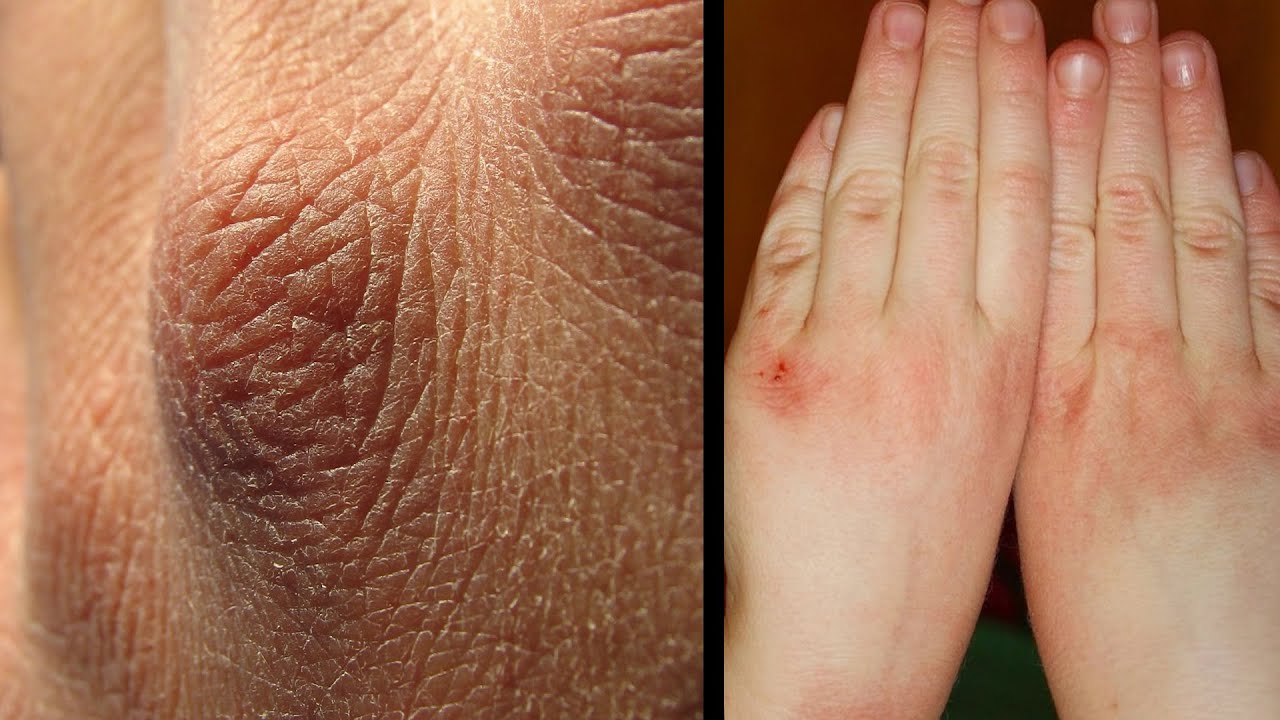
- Dry Skin: If your skin appears less supple than usual, you might need to increase your water intake.
- Constipation: Not drinking enough can lead to digestive issues, including constipation.
- Dizziness: Feeling lightheaded is another signal that your hydration levels may be low.
Why Hydration Matters
Understanding why hydration is essential can motivate you to prioritize it in your daily routine. Here’s why staying hydrated is so important:
Physical Performance
Proper hydration helps to maintain optimal physical performance. Without sufficient fluids, your endurance decreases, and you may feel fatigued more quickly. When exercising, you lose fluids through sweat, so drinking enough water is vital for peak performance.
Brain Function
Your brain relies on hydration to function properly. Studies indicate that even mild dehydration can affect concentration, alertness, and short-term memory, so keep a water bottle handy when working or studying.
Practical Tips for Staying Hydrated
Staying hydrated doesn’t have to be complicated. Here are some practical tips to ensure you’re drinking enough fluids throughout the day:
- Set Reminders: Use your phone to set hourly reminders to drink water.
- Infuse with Flavor: Add fruits like lemon, lime, or berries to your water to make it more enjoyable.
- Carry a Water Bottle: Keep a reusable water bottle with you wherever you go to encourage frequent sipping.
- Eat Hydrating Foods: Incorporate fruits and vegetables with high water content, like cucumbers, oranges, and watermelon, into your diet.
Track Your Intake
Consider using an app or a journal to track your daily water intake. This can help you stay accountable and reach your hydration goals more effectively.
Mistakes to Avoid When Staying Hydrated
While trying to stay hydrated, here are some common mistakes you should avoid:
- Ignoring Thirst: Don’t wait until you’re very thirsty to hydrate; make it a habit to drink water regularly.
- Relying on Sugary Beverages: Soft drinks and juices may not provide the hydration your body needs and can contribute to dehydration.
- Overlooking Winter Hydration: It’s easy to forget to drink water in cold weather, but hydration is crucial year-round.
- Skipping Water During Meals: Drinking water during meals aids digestion and helps with nutrient absorption.
FAQ
What are the first signs of dehydration? Common initial signs include thirst, dry mouth, and fatigue. If you notice these, it’s time to drink more water.
How much water should I drink daily? A general guideline is about 8 to 10 cups a day, but this can vary based on activity levels and individual needs.
Can foods help with hydration? Yes, foods high in water content, like fruits and vegetables, can contribute significantly to your overall hydration.
Conclusion
Being aware of the signs of dehydration is essential for better health. Implementing simple strategies to stay hydrated can lead to improved energy and overall wellbeing. How do you ensure you’re staying properly hydrated throughout your day?