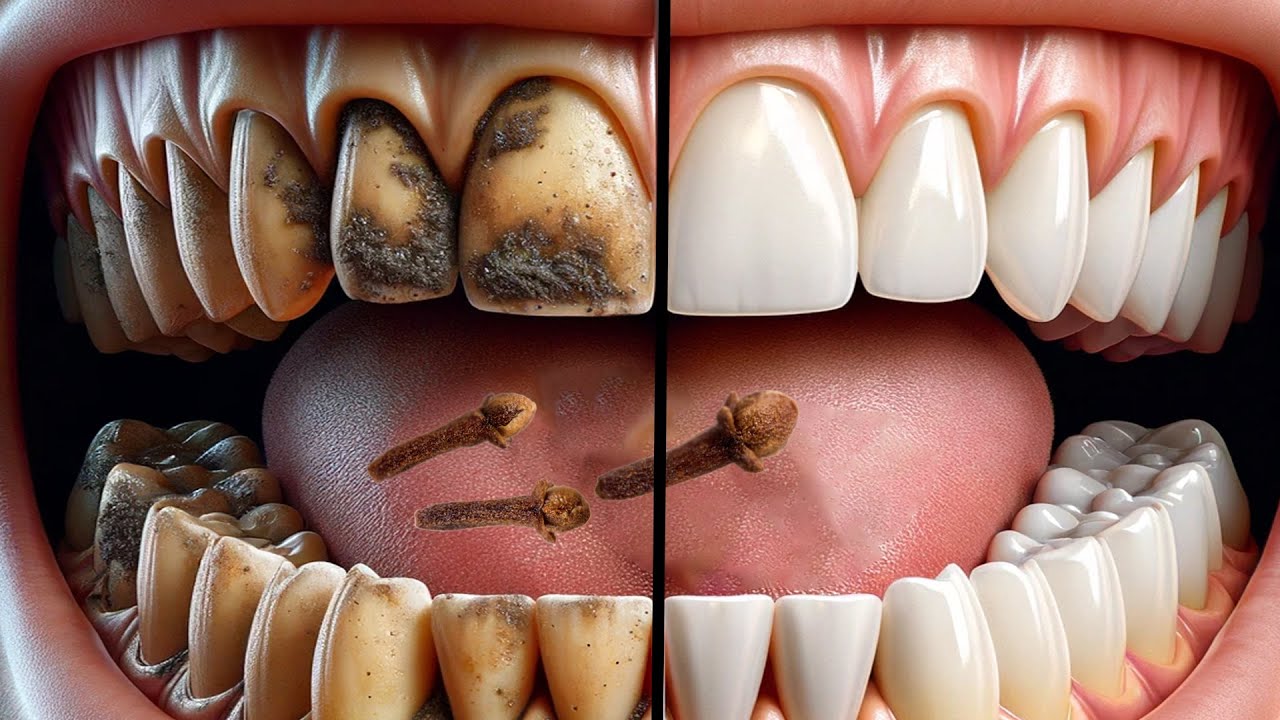
9 Natural Remedies to Eliminate Plaque & Tartar for a Healthier Smile
9 Natural Remedies for a Healthier Smile: Eliminate Plaque and Tartar
- Introduction
- Understanding Plaque and Tartar
- Natural Remedies to Consider
- Benefits of Natural Remedies for Oral Health
- Common Mistakes to Avoid
- FAQ
- Conclusion
Introduction
Have you ever noticed a rough feeling on your teeth despite regular brushing? It’s frustrating when plaque and tartar build up, leading to anxiety about your oral health. You may have tried over-the-counter treatments, but some could contain harsh chemicals. Fortunately, there are gentle and effective natural remedies that can help you maintain a brighter smile. Continue reading to discover ways to naturally combat plaque and tartar.
Understanding Plaque and Tartar
Before diving into the remedies, it’s essential to understand what plaque and tartar are. Plaque is a sticky film of bacteria that forms on your teeth. If not removed through brushing, it hardens into tartar, making it harder to clean and leading to gum issues.
What Causes Plaque and Tartar?
- Inadequate oral hygiene
- High-sugar diet
- Lack of regular dental check-ups
Signs of Plaque and Tartar Build-Up
Common signs that you might have plaque or tartar include:
- Bad breath
- Yellow or brown stains on teeth
- Inflamed gums
Natural Remedies to Consider
Utilizing natural remedies can be a health-conscious way to maintain your dental hygiene. Here are nine natural remedies that can aid in reducing plaque and tartar:
- Oil Pulling – Swish coconut oil in your mouth for 15-20 minutes to remove bacteria.
- Baking Soda – Create a paste by mixing baking soda with water and brush gently.
- Apple Cider Vinegar – Dilute with water and use as a mouthwash to help break down deposits.
- Neem Leaves – Chew on fresh neem leaves, known for their antibacterial properties.
- Tea Tree Oil – Add a drop to your toothpaste to help eliminate bacteria.
- Salt Water Rinse – Dissolve salt in warm water and rinse to reduce inflammation.
- Clove Oil – Apply a small amount to your toothbrush for its antibacterial effects.
- Hydrogen Peroxide – Use diluted hydrogen peroxide as a mouthwash for whitening and cleaning.
- Fruits and Vegetables – Crunchy vegetables, like carrots and apples, naturally clean teeth.
How to Use These Remedies Effectively
Most of these remedies can be used daily or several times a week. However, choose one or two that fit your lifestyle best to avoid overwhelming yourself.
Benefits of Natural Remedies for Oral Health
Opting for natural remedies provides numerous advantages for your dental health.
Gentler on Teeth and Gums
Natural solutions typically do not contain harsh chemicals, reducing the risk of irritation to your gums and enamel.
Cost-Effective
Many natural ingredients can be found in your kitchen, making them a budget-friendly option for oral health care.
Holistic Health Approach
Using natural remedies aligns with a holistic approach to health, supporting overall wellness and minimizing synthetic substances in your life.
Common Mistakes to Avoid
While incorporating natural remedies, be mindful of these common pitfalls:
- Overusing acidic ingredients like vinegar, which can erode enamel if used excessively.
- Neglecting regular dental visits, as they are crucial for professional cleaning.
- Using remedies in place of traditional care instead of as a complementary practice.
FAQ
What is the best remedy for reducing tartar? Oil pulling is often highlighted for its gentle yet effective method in reducing tartar buildup.
Can natural remedies replace toothpaste? While some can complement dental hygiene, they should not completely replace toothpaste.
How often should I use these remedies? Most remedies can be used a few times a week, but monitor your mouth’s reaction and adjust as needed.
Conclusion
By exploring these natural remedies, you can take proactive steps toward a healthier smile and improved oral hygiene. Which remedy are you most eager to try for your dental care routine?