Flies in the house: discover the hanging-leaf method
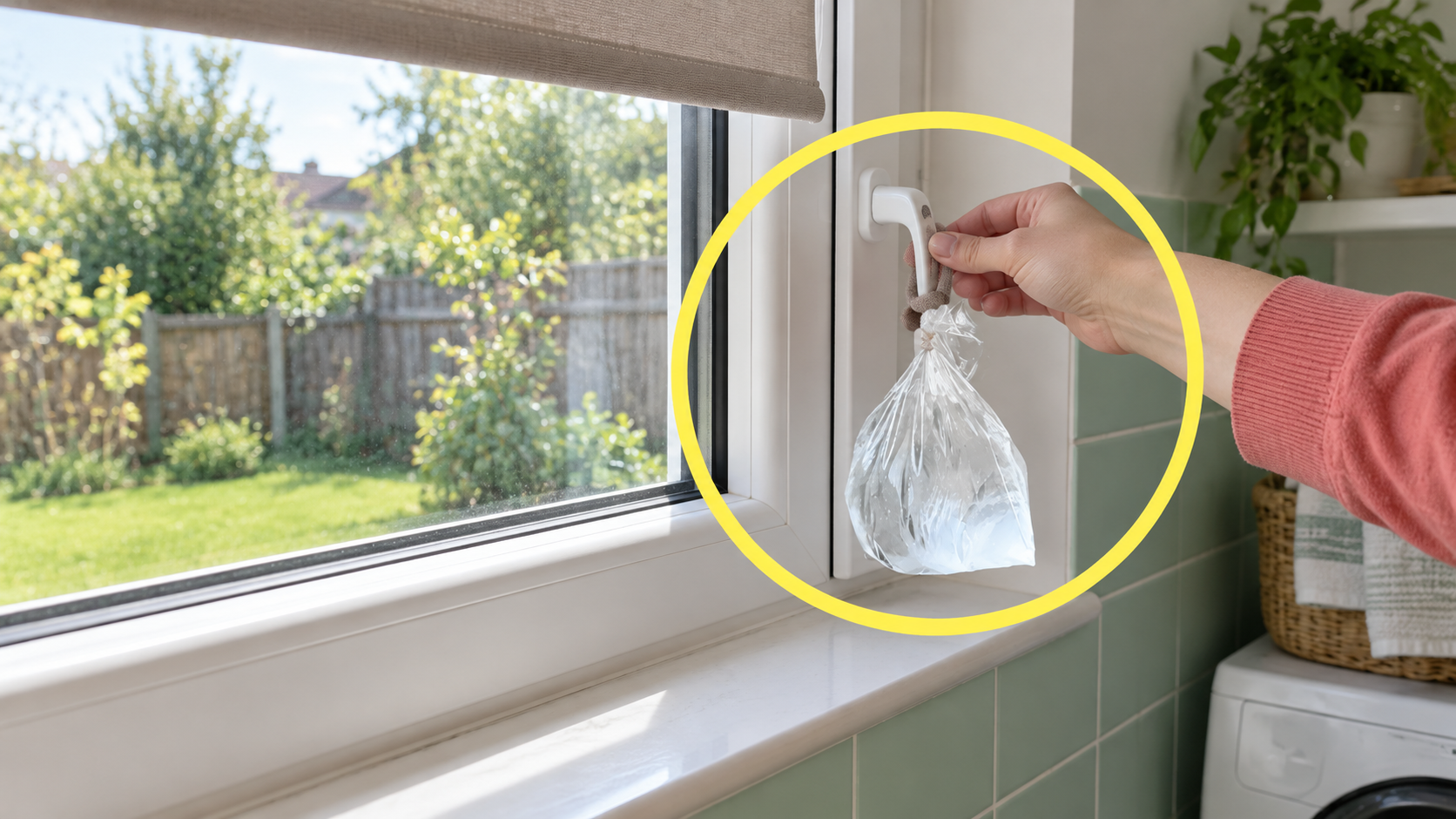
The hanging-leaf method for house flies sounds appealingly simple: suspend an aromatic leaf or a small herb bundle near a window and hope the insects stay away. In practice, fragrance and dependable fly control are different things. You can understand the idea without treating it as a guaranteed barrier, and combine a realistic assessment with the measures that make a home less inviting to flies.
The most useful starting point is to work out whether flies are entering from outside or developing around a source inside the home. An open screen door calls for a different response from a forgotten piece of fruit behind a cabinet. You do not need an elaborate collection of products to begin. A short inspection, a few practical changes, and consistent follow-up can tell you much more than trying several remedies at once.
Identify the problem before choosing a remedy
Look at the size of the insects and where they gather. Larger flies at a window are not necessarily the same problem as tiny flies around ripe fruit or a drain. Take a clear photograph if you need help identifying them, and record where you found them. Do not assume that every small flying insect responds to a fruit fly trap. Correct identification helps you search for the right source.
Timing also matters. If flies appear mostly after the patio door has been open, begin with that entrance. If new insects keep appearing when windows are closed, inspect likely indoor sources. A sudden concentration of larger flies, especially with an unusual odor, may justify professional investigation. Avoid opening walls or dismantling appliances simply because you suspect something might be hidden inside.
What the suggested approach can actually do
The leaf in this household idea usually means an aromatic plant leaf, such as mint or rosemary, or a small bundle of herbs. A leaf releases a variable amount of fragrance. Temperature, air movement, plant condition, and distance all change what reaches the surrounding space. Smelling the herb yourself does not establish that flies will avoid the entire window or room.
If you enjoy a small herb bundle as decoration, use a plant you can identify and place it where it cannot fall onto food. Keep it away from flames, hot appliances, and pets that might chew it. Remove material that becomes damp, moldy, or decayed. Do not add concentrated essential oils simply to intensify the effect; their suitability depends on the specific product and the people and animals present.
Treat the hanging leaf as optional decoration, rather than as a replacement for a screen. If you wish to observe whether anything changes, keep other conditions reasonably similar and record what you see over several days. A cooler evening or a closed patio door may explain fewer flies just as easily as the plant. Continue removing food residues and maintaining barriers regardless of how noticeable the fragrance seems. This approach preserves the simplicity of the idea without promising more than it can reliably demonstrate.
A change observed over a single afternoon is not proof of lasting protection. Outdoor temperature, wind, open doors, and the availability of food all affect what you see. Treat any optional remedy as something to evaluate, while continuing the practical work that removes attractions and protects entrances. A pleasant smell or a visually appealing setup should not replace those steps.
Check food storage and overlooked residues
Start with the fruit bowl, recycling container, trash can, and areas beneath small kitchen appliances. Remove spoiled food and clean sticky residues from bottles and containers. Check the underside of the fruit bowl and the space behind it. Store sound fruit according to its needs, rather than assuming every variety belongs in the refrigerator. The important habit is to check ripening produce before it deteriorates unnoticed.
Empty food waste before it remains wet and exposed for long periods. Wash the bin rim, lid, and interior when needed, then allow the container to dry before replacing the liner. A new bag will not solve a layer of residue beneath it. Keep outdoor waste containers closed and, where practical, away from a frequently used doorway. Follow the requirements of your local collection system.
Pet feeding areas deserve attention too. Remove leftover food after the appropriate feeding period and wash bowls regularly. Pets must still have access to the water they need. Check for spilled food beneath nearby furniture and for residue around storage containers. These are ordinary housekeeping tasks, but they are more useful when directed at a specific place than when repeated across an already clean countertop.
Protect entrances while keeping the home usable
Inspect window screens for holes and loose edges. A screen can look intact from the middle while leaving an opening along one side. Repair it with materials intended for the system, and make sure the frame still fits securely. A protection measure that falls out whenever the window moves is unlikely to be maintained consistently.
At doors, consider how people and pets move through the space. A practical screen solution must not create a trip hazard or interfere with an exit. Do not seal required ventilation openings or alter appliance air supplies. If the opening has a building function you do not understand, get appropriate advice. Physical protection should fit the structure and the daily routine of the household.
Use traps as a supporting tool
A trap may capture adult flies or help you track activity, but it does not automatically remove their breeding source. Choose a product intended for the insect and for indoor use in the location you have selected. A trap designed for fruit flies is not a general solution for all flies. Strongly scented outdoor traps should not be moved into the kitchen unless the product specifically allows that use.
Keep traps away from open food, preparation surfaces, children, and pets. Follow the instructions for replacement and disposal. Do not hang a catching strip above dishes or a serving area where debris could fall. If you use a commercial lure, keep it in its intended container. A homemade mixture in a drinking glass can create confusion and does not provide a controlled application.
Set up a simple first-week routine
On the first day, inspect the main locations and remove obvious food residues. Clean the waste container and check the entrance that is used most often. Write down what you changed. This makes it easier to see whether activity decreases and prevents a succession of unrelated remedies from obscuring the result.
During the following days, revisit the same places at roughly the same time. Check fruit, waste, screens, and any properly placed trap. You do not need a complicated tracking system; a few notes are enough. Look for an overall trend and for new concentrations in a different room. One quiet evening does not necessarily mean a hidden source has been removed.
Avoid common mistakes with natural remedies
Natural does not mean suitable for every surface, person, or pet. Essential oils, powders, and plant materials each have their own limitations. Do not spray unknown mixtures near food or place loose materials where they can be inhaled or eaten. Increasing the quantity because a remedy has not worked is not a reliable way to improve the result.
Another common mistake is treating every insect near a sink as the same kind of fly. If activity seems linked to a drain, identification and appropriate cleaning of the actual source matter. Follow the plumbing fixture’s care instructions and avoid mixing drain chemicals. Repeatedly pouring different substances down the pipe can create a hazard while leaving the underlying buildup or leak unresolved.
Know when to seek help
Professional help is useful when flies appear in large numbers, the source cannot be located, or an unusual odor accompanies the activity. It is also appropriate when a suspected source is inside a wall, inaccessible void, or piece of equipment that should not be opened by the homeowner. Share photographs and your notes so the investigation can begin with concrete observations.
In an apartment building, shared trash rooms and maintenance areas may need coordinated attention. Report the locations and timing rather than simply saying that there are flies everywhere. A clear description helps the responsible person inspect the right areas. Commercial food premises need procedures appropriate to their use and should not rely on informal household experiments.
Frequently asked questions
Does the entire kitchen need disinfecting? Start with normal, appropriate cleaning and safe food handling. Additional disinfection should have a specific purpose and use a suitable labeled product. Mixing cleaners or repeatedly applying stronger products is not a substitute for finding the source.
Why are there still a few flies after cleaning? Some may enter from outside, and another source may have been overlooked. Review the pattern and inspect likely places again. The presence of one fly does not show that every measure has failed, but continuing concentrations deserve attention.
What is the most useful long-term habit? Keep the plan simple enough to repeat: inspect ripening food, maintain waste containers, and repair screens promptly. A properly selected trap can support that routine. The goal is a steady reduction in the conditions that invite flies, together with a clear way to notice when something changes.
Further reading
The University of Minnesota Extension guide to flies explains why identification and development sites matter. Follow the specific label whenever you use a pest-control product.