Get Your Christmas Cactus to Bloom by August: Here’s How!
Get Your Christmas Cactus to Bloom by August: Here’s How!
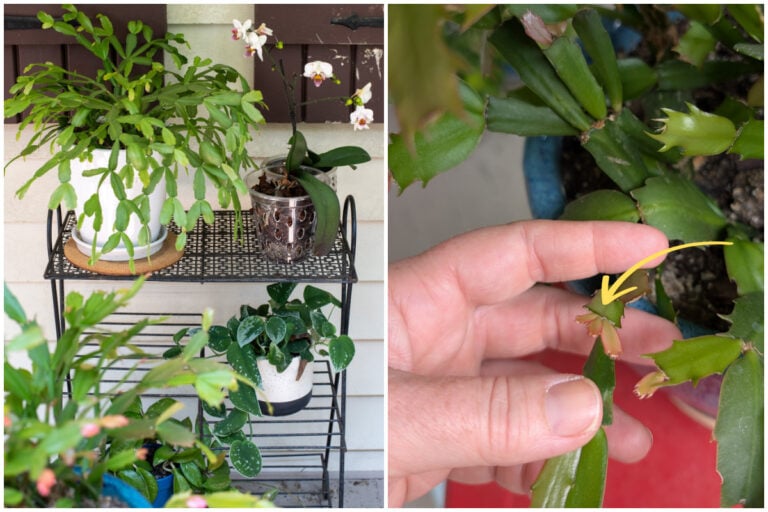
If you’ve ever been disappointed to see your Christmas cactus (Schlumbergera) without blooms during the holidays, you’re not alone. Many owners are unaware that the key to encouraging those beautiful blossoms starts way back in August. If you want to enjoy a festive display this holiday season, here are some essential steps to take this month.
Understanding Your Plant’s Seasonal Changes
As August arrives, your Christmas cactus is transitioning from its active growing phase to preparing for bud formation in the fall. Throughout the summer, your plant has been focused on growing larger and producing new cladodes (leaf segments). As the month progresses, it will stop producing new growth and begin conserving energy for the upcoming blooms.
Early August Care Tips
Move Your Christmas Cactus Outside
If you haven’t done so already, it’s time to put your Christmas cactus outdoors. This is crucial for ensuring a beautiful bloom in winter. Position your plant in a shaded spot, away from direct sun. Bright, indirect light is vital for its growth. Trust me, your cactus will thrive in this environment, producing ample new growth all summer long.
Consistent Watering Is Key
While Christmas cacti dislike “wet feet,” they need regular watering, especially when outdoors. Be diligent about checking the soil moisture by sticking your finger in the soil. Water your plant when the top inch feels dry, ensuring it gets a thorough soaking. Allow it to drain for about 15 minutes and discard any standing water.
Switch to Bloom-Focused Fertilizer
During the summer’s active growing season, a nitrogen-rich fertilizer is beneficial. However, in August, it’s time to make a change. I recommend a fertilizer high in phosphorus and potassium—for instance, African violet food. Apply it at half strength weekly throughout August to promote blooming.
End of August Preparations
Inspect for Pests
As the month wraps up, begin checking your plant for any unwanted pests. Although Christmas cacti generally resist pests, it’s wise to be cautious after being outdoors. Gently inspect the soil, crown, and underside of cladodes for any signs of infestation. Remember to handle your plant with care as its segments are delicate.
Bring Your Plant Indoors
After soaking up summer sunshine, it’s time to bring your Christmas cactus back inside at the end of August. Place it in a location away from other houseplants for a week or two to give it time to acclimate. Ensure it’s still exposed to bright, indirect light.
Adjust Your Watering Routine
As your cactus prepares for bloom, it won’t need as much water. Transition from weekly to bi-weekly watering to prevent root rot. Keep an eye on the cladodes; they should remain plump. The change in environment and decreased growth will naturally reduce water needs.
Stop Fertilizing
At this point, it’s crucial to stop fertilizing your cactus. Your plant has accumulated the nutrients it needs to flourish in the coming months. Resume fertilizing only after blooming and a short rest period in late winter.
Avoid This Mistake
After returning your Christmas cactus indoors, resist the temptation to repot it. This can cause unnecessary stress and disrupt its natural blooming process. Christmas cacti thrive when slightly root-bound, so limit repotting to once every 3-4 years. If you believe your plant needs repotting, wait until after the holiday season.
Conclusion
Consider your Christmas cactus much like that enthusiastic friend who starts holiday preparations early. By aligning your care routine with your cactus’s natural rhythms, you’ll enjoy a stunning display of blossoms that will brighten your home throughout the holiday season.