Maximize Freshness: 5 Clever Tricks to Store Cilantro for 1 Year
Maximize Freshness: 5 Clever Tricks to Store Cilantro for 1 Year
- Introduction
- Method 1: Freezing Cilantro
- Method 2: Drying Cilantro
- Method 3: Cilantro in Oil
- Method 4: Storing in Water
- Common Mistakes to Avoid
- FAQ
- Conclusion
Introduction
Picture this: you’ve just bought a bunch of fresh cilantro, but you find yourself struggling to use it all before it wilts and loses its flavor. Waste is frustrating, and you want to enjoy that fresh herb throughout the year. The good news is that there are several clever methods to keep your cilantro fresh and flavorful for an extended period. Read on to discover practical ways to store cilantro that can ensure you always have it on hand when you need it.
Method 1: Freezing Cilantro
One of the simplest ways to preserve your cilantro is by freezing it. Here’s how you can do it effectively:
1. Prepare the Cilantro
- Rinse the cilantro under cold water to remove any dirt or insects.
- Pat it dry gently with a paper towel or a clean kitchen cloth.
2. Chop or Leave Whole
You can choose to chop your cilantro or leave the leaves whole. Chopping makes it easier to use later in recipes.
3. Freeze in Portions
- Place the chopped cilantro in ice cube trays.
- Add water or olive oil until the trays are full.
- Freeze until solid, then transfer to a resealable bag for long-term storage.
Method 2: Drying Cilantro
If you prefer dried herbs, drying cilantro is an excellent option. This method captures the essence of the herb while removing moisture:
1. Obtain Fresh Bunches
Select fresh cilantro that is vibrant and has no signs of wilting or browning.
2. Dry Herbs
- Remove the leaves from the stems.
- Spread the leaves on a baking sheet in a single layer.
- Place the baking sheet in a warm, dry area for about a week, or until completely dry.
3. Store Properly
Once dry, store the cilantro in an airtight jar away from light. This will keep it fresh for several months.
Method 3: Cilantro in Oil
Using oil to preserve cilantro not only retains its flavor but also creates a handy cooking ingredient:
1. Chop the Cilantro
Start by roughly chopping the cilantro, similar to the freezing method.
2. Mix with Oil
Combine the cilantro with your choice of oil (like olive or avocado oil) in a blender.
3. Store in Ice Cube Trays
- Pour the mixture into ice cube trays.
- Freeze until solid and then transfer to a container for later use.
Method 4: Storing in Water
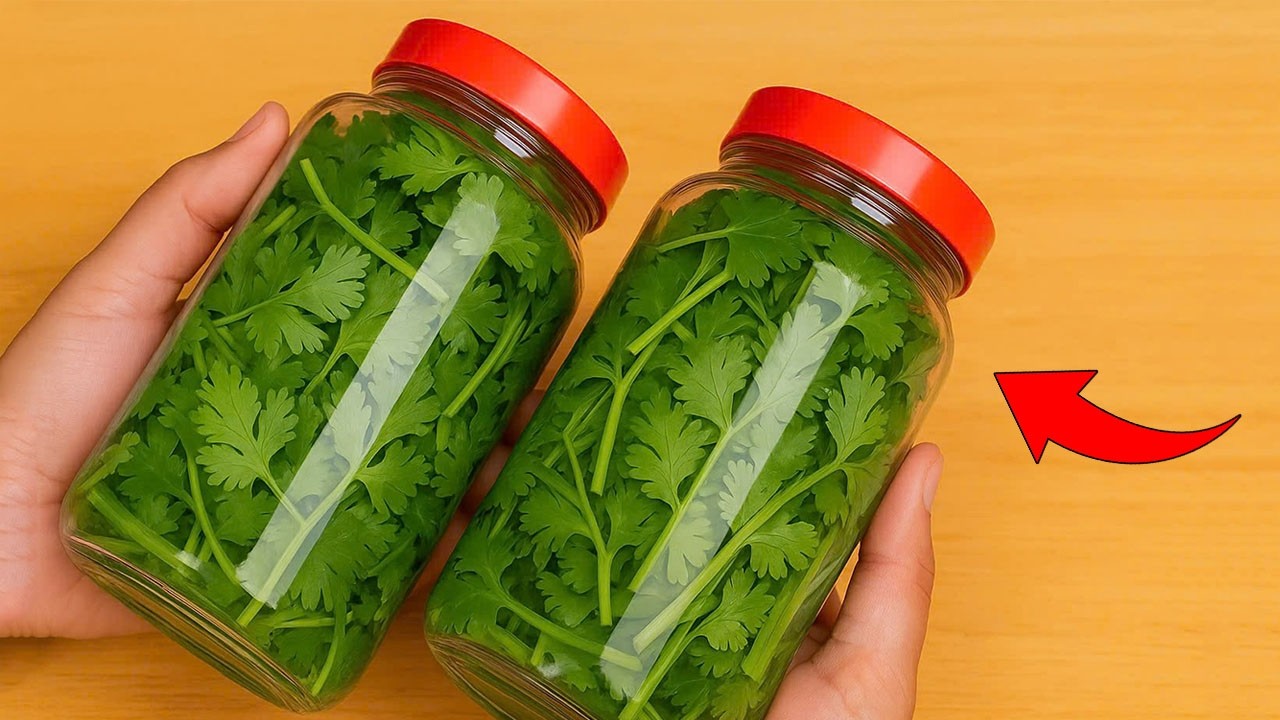
Another straightforward technique is storing cilantro in water, similar to how you would keep cut flowers fresh:
1. Trim the Stems
Carefully trim the ends of the cilantro stems to facilitate water absorption.
2. Stand in Water
- Place the cilantro upright in a jar or glass with enough water to cover the stems.
- Cover the top loosely with a plastic bag to keep humidity in.
- Store it in the refrigerator, changing the water every few days.
3. Usage
This method can keep cilantro fresh for several weeks, making it an excellent short-term storage solution.
Common Mistakes to Avoid
When storing cilantro, keeping a few key pitfalls in mind can help ensure your efforts are successful:
- Avoid washing cilantro until you are ready to use or store it, as excess moisture can lead to spoilage.
- Don’t store cilantro in an airtight container without proper ventilation; it needs some air circulation to remain fresh.
- Overcrowding fresh cilantro in storage can lead to bruising and quicker decay, so use space wisely.
FAQ
How long can I keep cilantro frozen?
Frozen cilantro can retain its flavor for up to a year when stored properly in airtight containers or bags.
Can I dry cilantro in the oven?
Yes, you can dry cilantro in the oven at a low temperature (around 180°F) for a few hours, but watch closely to prevent burning.
What’s the best way to use stored cilantro?
Frozen or dried cilantro can be added directly to soups, stews, or sauces, enhancing flavor without the need for thawing or rehydration first.
Conclusion
By using these clever tricks, you can maximize the freshness of cilantro and keep it flavorful for an entire year. Explore these methods and find what works best for you. What’s your favorite way to preserve herbs? Share your thoughts in the comments below!