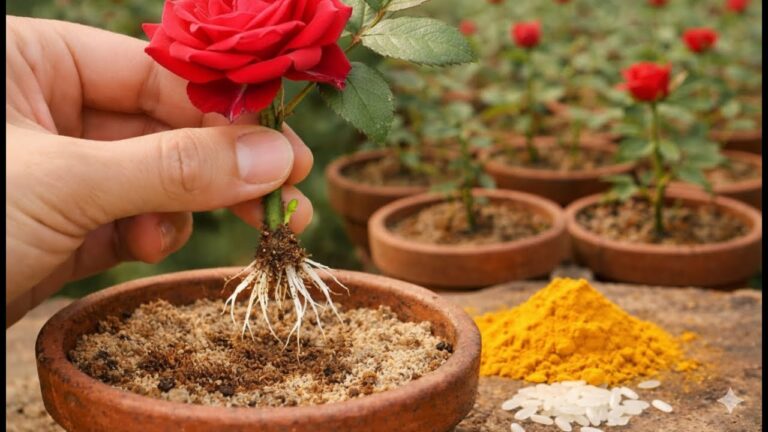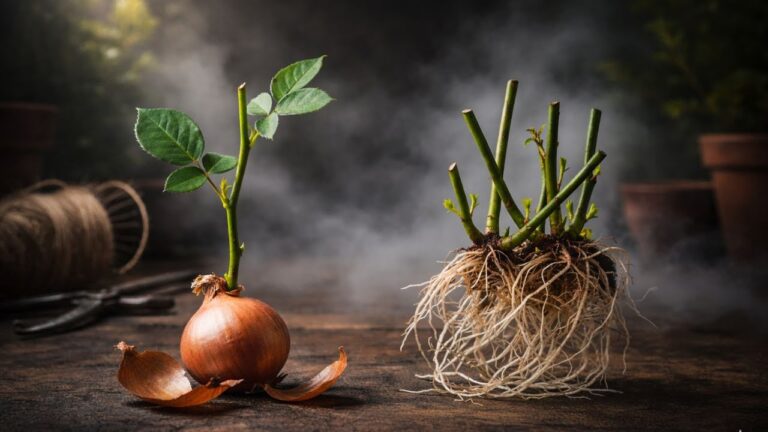
Root 7 Rose Cuttings Easily with Coconut Coir and Sand—No Hormones Needed!
Root Rose Cuttings Easily with Coconut Coir and Sand—No Hormones Needed!
- Introduction
- Benefits of Using Coconut Coir and Sand
- Required Materials
- Step-by-Step Guide to Rooting Rose Cuttings
- Common Mistakes to Avoid
- FAQ
- Conclusion
Introduction
Many gardening enthusiasts find themselves with a beautiful rose bush and the desire to replicate its beauty without resorting to store-bought plants. The struggle usually lies in the propagation process, which can seem daunting at first. Whether you’ve tried rooting cuttings before or are completely new to it, understanding the right method can make all the difference. Discovering a simple, hormone-free way to root your rose cuttings can open a world of possibilities for your garden.
Benefits of Using Coconut Coir and Sand
Using coconut coir and sand as a medium for rooting rose cuttings offers multiple advantages that can lead to healthier plants.
1. Sustainable Material
Coconut coir is an eco-friendly substrate derived from coconut husks. It’s renewable, helping reduce waste while providing excellent aeration and drainage.
2. Ideal Growing Conditions
The combination of coir and sand creates a well-draining environment that prevents waterlogging, which can harm developing roots. This balance is essential for robust root formation.
3. No Chemicals Required
By avoiding the use of synthetic rooting hormones, you reduce the chemical impact on the environment and your garden, promoting a more natural growth process.
Required Materials
Gather these materials before you start the rooting process.
- Rose cuttings (about 6 inches long)
- Coconut coir (available at garden supply stores)
- Sand (clean, coarse sand works best)
- Containers (small pots or recycled containers)
- Water
- A sharp knife or scissors
Step-by-Step Guide to Rooting Rose Cuttings
This straightforward guide will help you successfully root your rose cuttings using coconut coir and sand.
Step 1: Prepare the Cuttings
Begin by selecting healthy rose stems.
- Use a sharp knife or scissors to take your rose cuttings, ensuring you make cuts just below a leaf node.
- Remove excess leaves from the bottom half to minimize moisture loss.
Step 2: Create the Medium
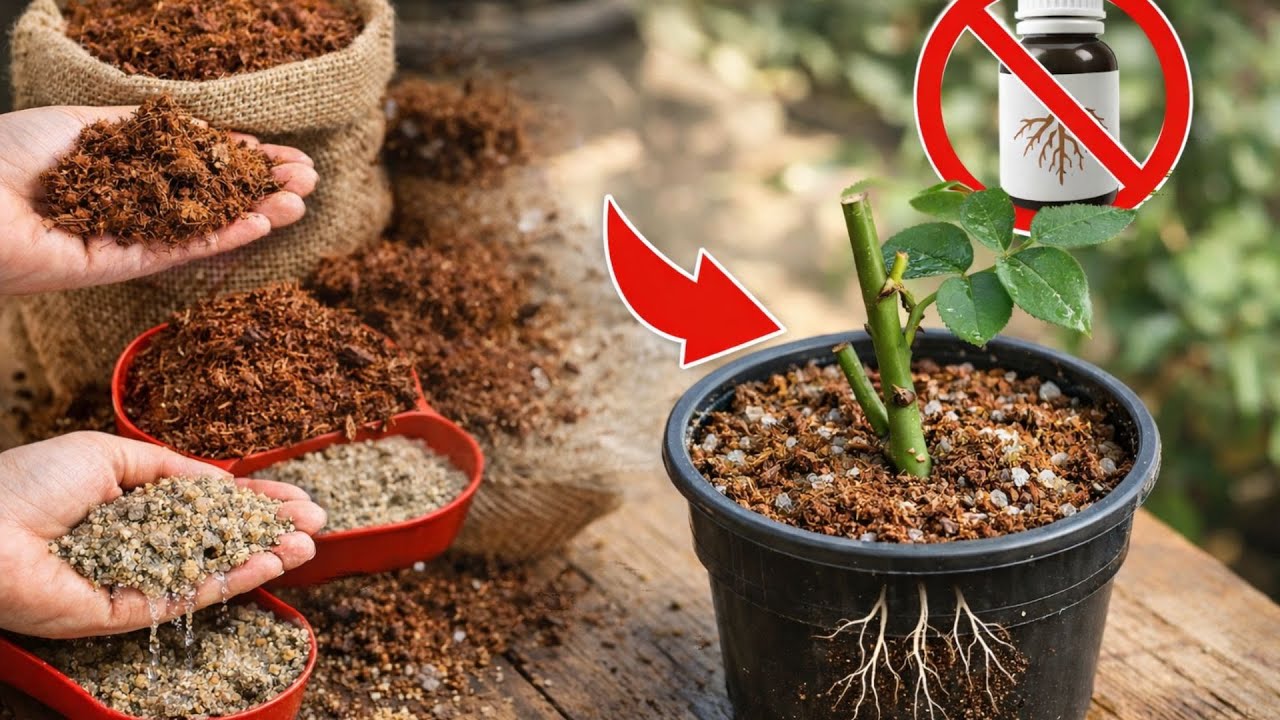
Mix coconut coir and sand to create the perfect rooting environment.
- In a bowl, combine one part coconut coir with one part coarse sand.
- Moisten the mixture slightly, but avoid making it soggy.
Step 3: Plant the Cuttings
Now it’s time to plant your cuttings.
- Fill your containers with the prepared medium, leaving some space at the top.
- Make a hole in the medium and gently insert the cutting, ensuring the leaf node is buried.
- Firm the medium around the cutting to secure it.
Step 4: Water and Cover
Your cuttings now need a nurturing environment.
- Lightly water the medium to settle it around the cutting.
- Optionally, cover the containers with a plastic bag or a clear lid to create humidity.
Step 5: Care for Your Cuttings
Maintaining proper conditions is vital for encouraging root formation.
- Place the containers in a location with bright, indirect light.
- Check daily for moisture levels and water as needed, ensuring the medium stays moist but not overly wet.
Common Mistakes to Avoid
Even with the best intentions, mistakes can happen during the rooting process. Here are some common traps to avoid.
- Using Non-Clean Materials: Ensure that the coconut coir and sand are clean to prevent disease.
- Overwatering: Too much water is a quick way to rot cuttings before they root. Keep an eye on moisture levels.
- Ignoring Lighting Conditions: Direct sunlight can stress cuttings. Aim for bright, indirect light only.
- Neglecting Temperature: Sudden temperature drops or drafts can hinder root development. Maintain a stable environment.
FAQ
What type of rose cuttings are best for propagation?
Semi-hardwood cuttings, typically taken in late spring or summer, work best for propagation.
How long does it take for rose cuttings to root?
Typically, it takes about 4 to 6 weeks for rose cuttings to develop roots, but this can vary based on conditions.
Can I use other materials instead of coconut coir?
While coconut coir is excellent, you can also use peat moss, though it may not have the same sustainability benefits.
Conclusion
Rooting rose cuttings with coconut coir and sand is a sustainable and effective method that promotes healthy growth without chemicals. By avoiding common pitfalls, you can enjoy a flourishing garden filled with your favorite blooms. What rose variety are you excited to propagate next?