Discover 5 Secrets to Ditch Swelling in Your Legs, Ankles, and Feet!
5 Effective Remedies to Reduce Swelling in Your Legs, Ankles, and Feet
- Understanding Swelling in Your Legs
- Natural Remedies for Swelling
- Lifestyle Changes to Alleviate Swelling
- Common Mistakes to Avoid
- Frequently Asked Questions
Experiencing discomfort due to swelling in your legs, ankles, and feet can be frustrating. You might notice that certain days are worse than others, and everyday activities become a challenge. Understanding the causes and exploring solutions can provide much-needed relief. Continue reading to learn about practical remedies and lifestyle changes that can help reduce swelling effectively.
Understanding Swelling in Your Legs
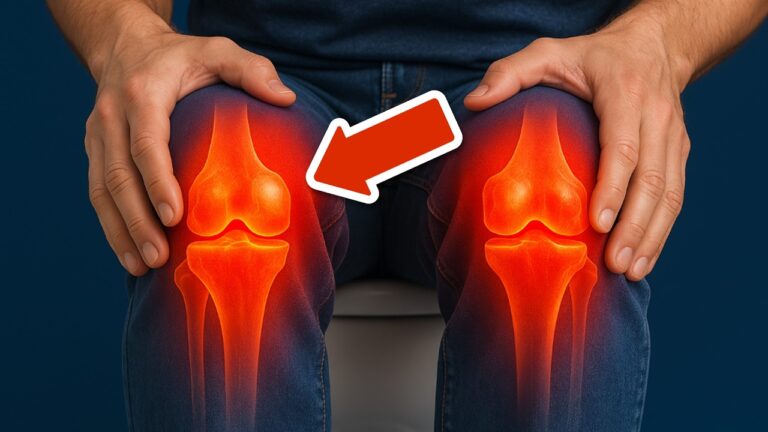
Swelling, or edema, occurs when excess fluid builds up in your body’s tissues. It can stem from various causes, including sitting or standing for long periods, hormonal changes, and dietary factors. Recognizing these causes is essential for managing and reducing swelling.
Common Causes of Swelling
- Prolonged standing or sitting: Staying inactive for extended periods can cause fluid to accumulate in your legs and feet.
- Dietary factors: High sodium intake can lead to water retention, resulting in swelling.
- Medications: Some medications can contribute to fluid retention as a side effect.
Identifying Symptoms
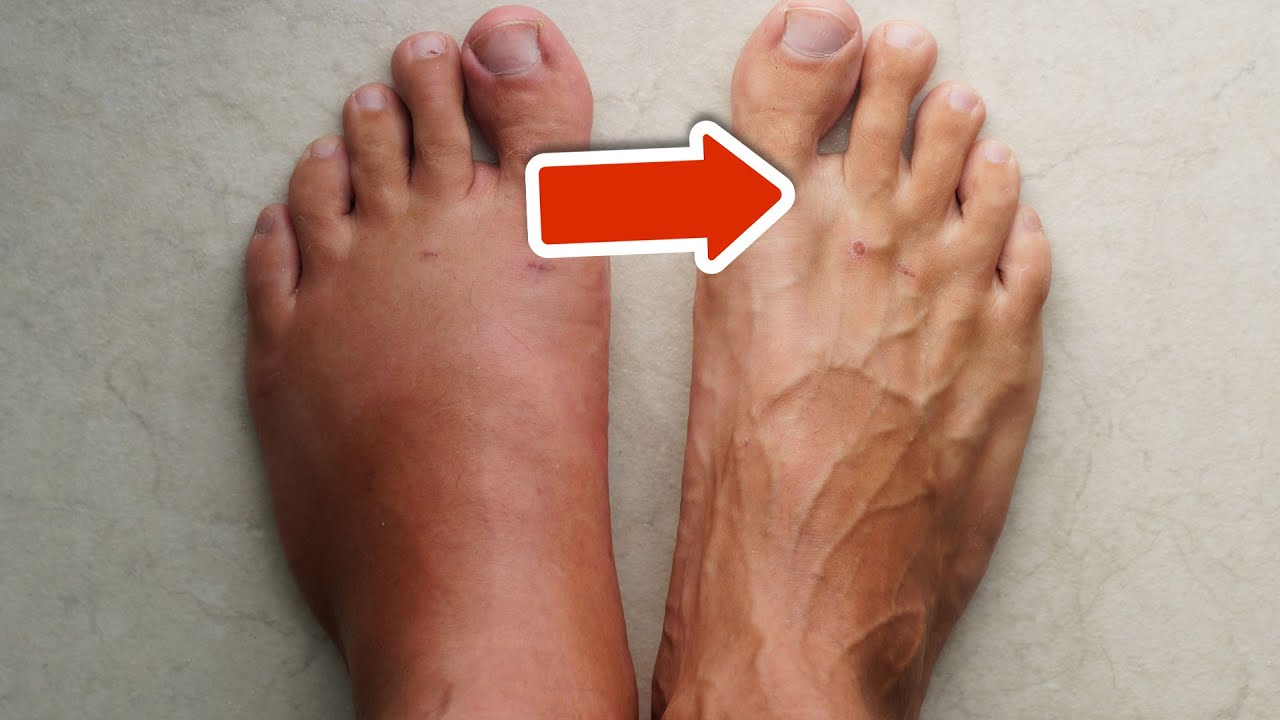
Look for signs of swelling such as puffy areas, tightness in the skin, or visible indentations when you press on your skin. If you experience swelling alongside pain or redness, it’s essential to consult your healthcare provider.
Natural Remedies for Swelling
Applying natural methods can significantly ease swelling. Here are some effective remedies you can implement at home.
1. Elevation
Elevating your legs helps encourage fluid return to the upper body. Aim to elevate your legs above heart level for about 15–30 minutes daily.
2. Cold Compresses
Applying cold compresses to swollen areas can help reduce inflammation and provide relief. Use ice packs wrapped in a cloth for 15–20 minutes a few times a day.
3. Herbal Tea
Drinking herbal teas such as dandelion or ginger can promote better circulation and decrease swelling. Aim for 1–3 cups a day, depending on your preference.
4. Epsom Salt Foot Soak
Soaking your feet in a warm bath with Epsom salt can help draw out excess fluid from swelling. Dissolve about ½ cup of Epsom salt in warm water and soak for 20–30 minutes.
5. Light Massage
Gently massaging your legs can stimulate blood flow and help with fluid drainage. Start from your feet and work your way up towards your heart.
Lifestyle Changes to Alleviate Swelling
Incorporating specific lifestyle changes can promote lasting relief from swelling.
Regular Movement
Integrate gentle exercises, such as walking or swimming, into your routine. Aim for at least 30 minutes of activity most days to enhance circulation.
Hydration
Staying well-hydrated can prevent your body from retaining extra water. Aim to drink at least eight 8-ounce glasses of water daily, adjusting based on activity level and climate.
Low-Sodium Diet
Reducing your sodium intake can significantly affect fluid retention. Focus on whole, natural foods and season with herbs instead of salt. Aim to keep your sodium intake below 2,300 mg per day.
Common Mistakes to Avoid
Sometimes, well-meaning actions can inadvertently worsen swelling. Here are some pitfalls to watch for:
- Ignoring foot support: Wearing unsupportive footwear can exacerbate swelling. Opt for shoes that provide good arch and ankle support.
- Overusing salt: Adding extra salt to your meals can lead to increased swelling. Instead, explore various spices for flavor.
- Skipping breaks: Failing to take breaks from prolonged sitting or standing can worsen fluid retention.
Frequently Asked Questions
What are the main causes of swollen legs?
Swollen legs can be caused by factors like prolonged standing, high sodium intake, medications, or underlying health conditions such as heart or kidney issues.
When should I see a doctor for swelling?
If swelling is accompanied by severe pain, redness, or is persistent, it’s best to consult with a healthcare professional to rule out serious conditions.
Can dietary changes really reduce swelling?
Yes, reducing sodium intake and increasing hydration can significantly help manage swelling by minimizing fluid retention.
Conclusion
Incorporating natural remedies and lifestyle changes can create a lasting impact on swelling in your legs, ankles, and feet. Have you tried any of these methods before, or do you have other tips to share?