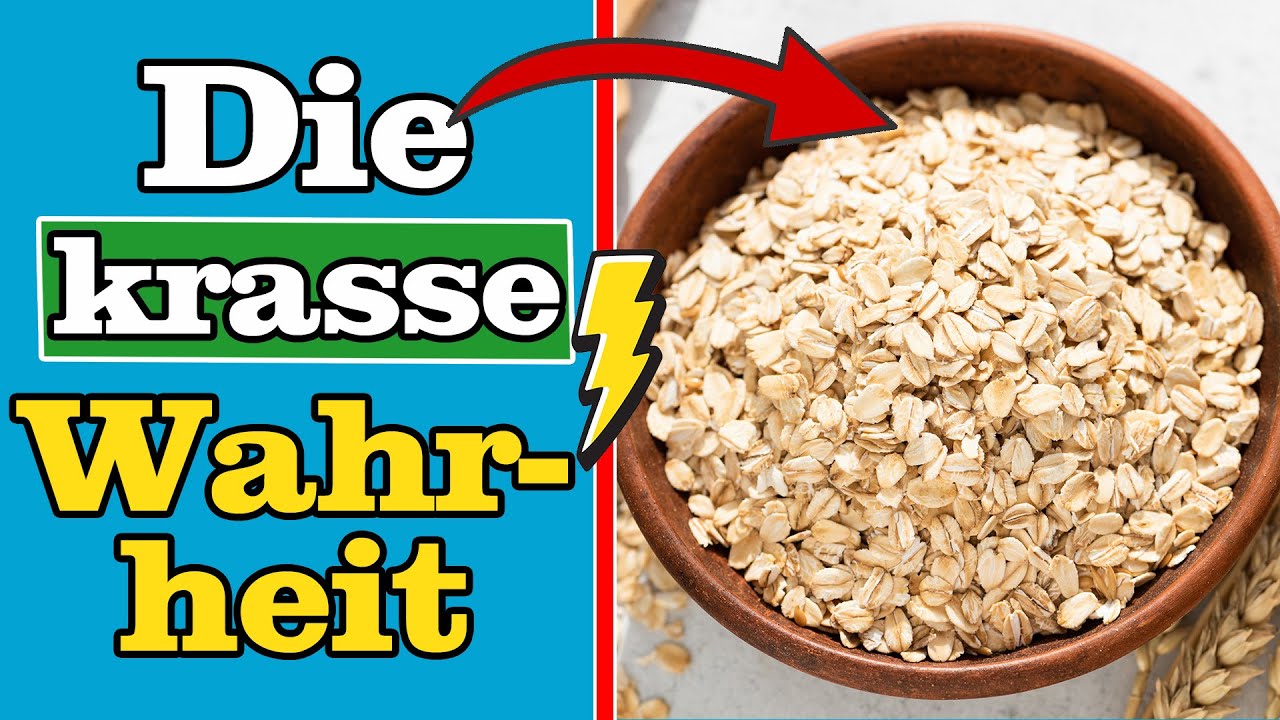
5 Shocking Reasons Oats May Be Unhealthy for You – Find Out the Truth!
5 Surprising Reasons Oats May Not Be the Best Choice for Your Health
- Understanding Oats
- Common Mistakes with Oats
- Negative Effects of Oats
- Healthy Alternatives to Oats
- FAQ
Understanding Oats
For many, oats represent a healthy breakfast option, often celebrated for their fiber content and convenience. You may find yourself reaching for a bowl of oatmeal, believing you are making a nutritious choice. However, not all oats are created equal, and several factors can influence their health benefits. By exploring the reasons why some might consider them less than ideal, you can make a more informed decision about your morning routine.
Potential Gluten Cross-Contamination
Many oats are processed in facilities that also handle gluten-containing grains, which can lead to cross-contamination. This can be a significant concern if you are sensitive to gluten or have celiac disease. Always look for certified gluten-free oats to ensure they meet your dietary needs.
High Glycemic Index
While oats provide many nutrients, they can also have a high glycemic index, particularly instant varieties. Consuming these oats might lead to fluctuations in blood sugar levels. Choosing less processed options, like steel-cut or rolled oats, can help maintain stable energy throughout the day.
Common Mistakes with Oats
When integrating oats into your diet, certain mistakes can diminish their benefits. Avoiding these pitfalls can help you reap their nutritional rewards without negative consequences.
Not Pairing with Protein
Oats are typically low in protein, which can result in feeling hungry shortly after consumption. Pairing your oatmeal with a source of protein, like nuts or Greek yogurt, can help keep you satisfied longer. This simple adjustment can make a significant difference in your energy levels.
Oversized Portions
Another common mistake is overindulging in portion sizes. It’s easy to lose track when you’re preparing a hearty bowl, but large servings can lead to unwanted calorie intake. Stick to recommended serving sizes to balance your diet effectively.
Negative Effects of Oats
While oats can be healthy for many, there are several negative effects that could emerge if consumed excessively or incorrectly.
Digestive Discomfort
Some individuals may experience digestive discomfort after eating oats, particularly if they are not used to a high-fiber diet. Gradually incorporating oats into your meals can help your digestive system adjust accordingly.
Allergic Reactions
Although rare, some people can have an allergic reaction to oats. Symptoms might include skin rashes or gastrointestinal issues. If you suspect an allergy, it’s essential to seek medical advice before continuing consumption.
Healthy Alternatives to Oats
If you’re concerned about the drawbacks of oats, there are plenty of healthy alternatives that can provide similar benefits.
Quinoa
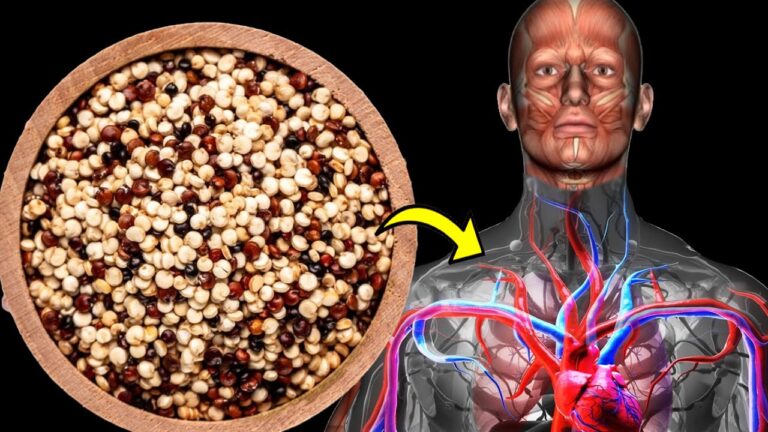
Quinoa is a fantastic substitute, packed with protein and fiber, and has a lower glycemic index, making it a great option for breakfast. Try cooking it similarly to oats and adding fruit or nuts for flavor.
Barley
Another excellent choice is barley, which is rich in soluble fiber and has a unique chewy texture. It can be easily incorporated into breakfast dishes or enjoyed as a side.
FAQ
Are oats bad for everyone?
Certain individuals, especially those with gluten intolerance or sensitivity, may react negatively to oats due to cross-contamination or specific allergies.
Can I eat oats if I’m on a low-carb diet?
Oats can be relatively high in carbohydrates, so they may not fit into strict low-carb diets. However, they’re still a nutritious choice if consumed in moderation.
What’s a good substitute for oats in baking?
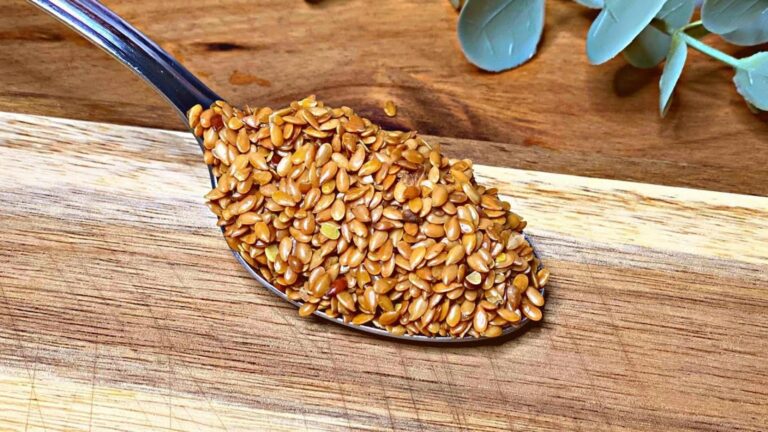
Ground almonds, coconut flour, or ground flaxseeds can serve as great substitutions for oats in your baking recipes.
Conclusion
Understanding the potential downsides of oats can help you make better dietary choices. By being mindful of portion sizes and considering alternatives, you can maintain a balanced and nutritious diet. What’s your go-to breakfast choice? Feel free to share in the comments!