10 Signs You Have a Vitamin D Deficiency You Must Know Now!
10 Signs You Have a Vitamin D Deficiency You Must Know
- Introduction
- Common Signs of Vitamin D Deficiency
- Health Impacts of Low Vitamin D
- How to Test for Deficiency
- Common Mistakes to Avoid
- FAQ
- Conclusion
Introduction
Many people walk through their day feeling fatigued, experiencing muscle weakness, or facing frequent illnesses, and often chalk it up to stress or the busy pace of life. What they might not realize is that these could be early signs of a vitamin D deficiency. With more people spending indoors time, this crucial nutrient has become even more elusive. Understanding and recognizing the signs of vitamin D deficiency can empower you to take steps toward a healthier lifestyle. Let’s explore the main signs to watch for.
Common Signs of Vitamin D Deficiency
Recognizing the symptoms of a vitamin D deficiency is the first step in addressing it. Here are the prominent signs that you may be lacking this essential vitamin:
1. Fatigue and Tiredness
Individuals often report feeling unusually tired or drained. This fatigue can affect your daily activities and overall quality of life.
2. Muscle Weakness
A lack of vitamin D can lead to muscle weakness, particularly in the arms and legs. You might notice that everyday tasks become more challenging as your strength diminishes.
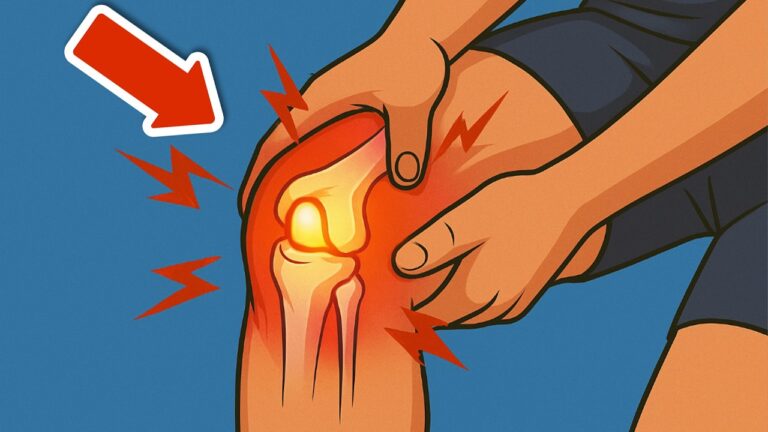
3. Bone Pain or Discomfort
Vitamin D plays a crucial role in maintaining bone health. If you’re experiencing unexplained bone pain, it could be due to low levels of this nutrient.
4. Frequent Illness
A deficiency in vitamin D may weaken your immune system, making you more susceptible to colds and other infections. Pay attention to how often you fall ill.
5. Mood Changes
Low vitamin D levels have been linked to mood disturbances, including depression and anxiety. If you find your mood fluctuating, consider your vitamin D levels.
Health Impacts of Low Vitamin D
The implications of a vitamin D deficiency extend beyond just symptoms. Understanding these health impacts can motivate you to take action.
1. Risk of Osteoporosis
A persistent deficiency can lead to weak bones, increasing your risk for fractures and osteoporosis, particularly as you age.
2. Heart Health Concerns
Research suggests that low vitamin D levels may be associated with elevated blood pressure and an increased risk of heart disease.
3. Impact on Mental Health
A lack of vitamin D is associated with various mental health disorders, and ensuring adequate levels may help improve overall mental well-being.
4. Worsened Autoimmune Conditions
If you have autoimmune disorders, low vitamin D levels could exacerbate symptoms and increase inflammation.
How to Test for Deficiency
If you’re noticing the signs mentioned above, it may be time to check your vitamin D levels. Here’s how to proceed:
1. Consult Your Healthcare Provider
Discuss your symptoms and concerns with your healthcare provider. They can offer guidance on whether a blood test is appropriate.
2. Understand the Blood Test
The most common test for vitamin D levels is the 25-hydroxyvitamin D blood test. It measures the overall amount of vitamin D in your blood.
3. Review the Results
Results are typically measured in nanograms per milliliter (ng/mL). Levels below 20 ng/mL indicate a deficiency, while 20-29 ng/mL may indicate insufficiency.
Common Mistakes to Avoid
When addressing vitamin D issues, it’s crucial to avoid certain pitfalls that may hinder your progress.
1. Relying Solely on Supplements
While supplements can help, deriving vitamin D from natural sources like sunlight and diet is important.
2. Ignoring Symptoms
Don’t brush off fatigue or mood changes as mere stress. Pay attention to how you feel and act accordingly.
3. Not Following Up
After beginning any supplementation or dietary changes, it’s essential to follow up with your healthcare provider to monitor your levels.
FAQ
What are the main sources of vitamin D? Vitamin D can be obtained from sunlight, certain foods like fish, egg yolks, and fortified dairy products, as well as through supplements.
How much vitamin D do I need daily? The recommended daily allowance for adults is generally around 600 to 800 IU, but individual needs may vary.
Can I get enough vitamin D in the winter? Yes, but it might be more challenging. Consider dietary options and, if needed, supplements to maintain adequate levels during colder months.
Conclusion
Understanding the signs of vitamin D deficiency is vital for your overall health and well-being. Monitoring your vitamin D levels and recognizing symptoms can lead to proactive measures that enhance your quality of life. What changes are you considering to ensure you’re getting enough vitamin D? We’d love to hear about your experiences in the comments!