Discover 5 Vitamins to Reduce Swelling in Your Feet and Legs Quickly!
5 Vitamins to Reduce Swelling in Your Feet and Legs Quickly
- Introduction
- The Role of Vitamins in Reducing Swelling
- Vitamin B Complex
- Vitamin C
- Vitamin E
- Common Mistakes
- FAQ
- Conclusion
Introduction
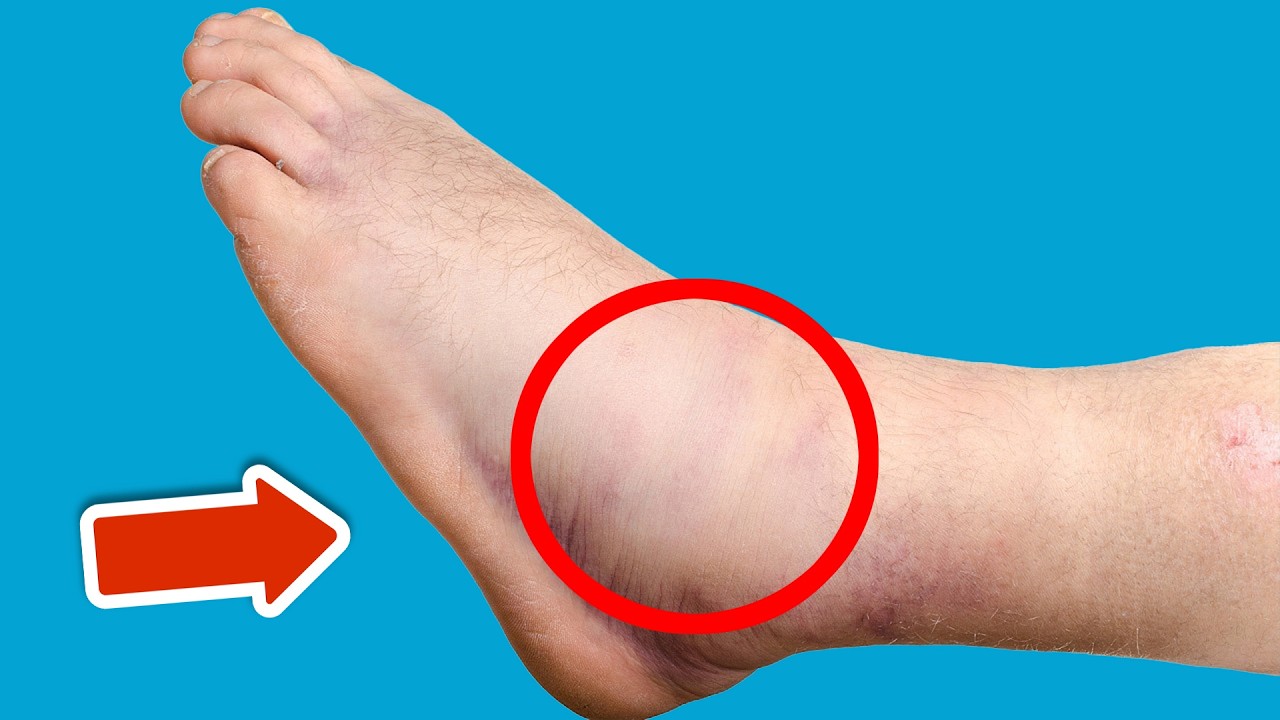
Swollen feet and legs can be an uncomfortable experience, often making simple tasks like walking a challenge. Many factors contribute to this issue, from standing for long periods to dietary choices. You might be exploring various solutions but feel overwhelmed by the options available. Understanding how specific vitamins can help alleviate this discomfort might provide the relief you’re looking for. Let’s delve into the vitamins that play a crucial role in reducing swelling in your feet and legs.
The Role of Vitamins in Reducing Swelling
Vitamins are essential for overall health, and some can specifically target swelling and inflammation. By incorporating the right vitamins into your diet, you can support your body in reducing swelling effectively. Here are some of the key benefits:
- You may experience improved circulation
- Vitamins can promote fluid balance
- They help reduce inflammation
Vitamin B Complex
Vitamin B Complex consists of several vitamins that collectively work to enhance metabolism and energy production. This can, in turn, help reduce swelling:
- Include foods rich in B vitamins, such as whole grains, leafy greens, and eggs.
- Consider a B complex supplement if you suspect you’re not getting enough from your diet.
- Monitor your intake; too much B6 can have adverse effects, such as nerve damage.
Symptoms of Deficiency
If you’re low in vitamin B, you may notice symptoms like fatigue, confusion, or swelling in your feet. Addressing this deficiency can help alleviate some of these issues.
Vitamin C
Vitamin C is known for its antioxidant properties and its impact on skin health. It also plays a role in reducing swelling by supporting collagen production and enhancing blood vessel health:
- Incorporate citrus fruits, strawberries, and bell peppers into your meals.
- Try to consume a variety of fruits and vegetables to ensure diverse nutrient intake.
- Opt for a daily Vitamin C supplement if dietary sources are insufficient.
Preparation Tips
Fresh smoothies or salads can be a great way to boost your Vitamin C intake. Add in a handful of spinach or kale, and enjoy a nutrient-packed meal.
Vitamin E
Vitamin E is another powerful antioxidant that can help combat swelling. Its anti-inflammatory properties can reduce swelling in your legs and feet, contributing to healthier tissues:
- Add nuts, seeds, and green leafy vegetables to your diet for natural sources of Vitamin E.
- Evaluate your cooking oils; sunflower and olive oils are excellent choices.
- Consider Vitamin E supplements, especially if you’re dealing with chronic swelling.
Natural Care Tips
Consider incorporating Vitamin E-rich oils into your homemade beauty or skincare routines. They can be applied topically on swollen areas for added relief.
Common Mistakes
When looking to use vitamins to manage swelling, it’s essential to avoid certain pitfalls that could hinder your progress:
- Ignoring dietary balance: Focus on a variety of nutrients instead of relying solely on supplements.
- Overlooking hydration: Drinking enough water is crucial for managing swelling.
- Neglecting other health factors: Remember to assess your overall lifestyle, including physical activity and rest.
FAQ
What vitamins can help with swelling?
Vitamins B, C, and E are known to support reduced swelling due to their anti-inflammatory and circulation-boosting properties.
How quickly can I expect results?
Results may vary based on individual dietary changes, but consistent intake of these vitamins can lead to noticeable improvements over a few weeks.
Are there any side effects to consider?
While vitamins are generally safe, taking excessive amounts can lead to side effects. It’s best to consult with healthcare professionals before making any drastic changes.
Conclusion
By incorporating vitamins such as B, C, and E into your daily routine, you can effectively help reduce swelling in your feet and legs. Creating a balanced diet filled with these nutrients can promote better circulation and overall wellness. What vitamins have you found most helpful in managing your swelling issues?